





The Rise of Guilt-Free Indulgence
Not long ago, ice cream was purely an indulgence—a treat reserved for special occasions. But as health and wellness have moved to the forefront of consumer consciousness, a new category of 'functional foods' has emerged, and protein ice cream is its star
player. The Indian ice cream market is experiencing robust growth, projected to expand significantly in the coming years, with a notable shift towards healthier options. This trend is driven by a growing awareness of nutrition, lifestyle-related health concerns, and a desire for products that offer more than just good taste. Protein ice cream fits perfectly into this new landscape, offering the satisfaction of a dessert with added functional benefits like muscle repair and satiety. The market in India is forecast to grow at a compound annual growth rate (CAGR) of over 16% between 2026 and 2033, signalling a powerful consumer pivot.
What’s a Protein Scoop, Exactly?
So, what separates protein ice cream from its traditional counterpart? The differences are in the macros. A typical serving of regular ice cream might contain 3-5 grams of protein, around 250-300 calories, and a significant amount of sugar. In contrast, a serving of quality protein ice cream can pack 10-20 grams of protein, often for as little as 150-180 calories. To achieve this, brands replace most of the sugar with natural sweeteners like stevia, monk fruit, or sugar alcohols such as erythritol. The protein itself is usually added in the form of whey, casein, or plant-based concentrates from peas or soy. This reformulation not only boosts the protein content but also dramatically cuts down on sugar and overall calories, making it a more macro-friendly choice.
But Does It Taste Like Real Ice Cream?
This is the question on everyone’s mind. Early versions of protein ice cream were notorious for a chalky texture and an artificial aftertaste. However, formulations have improved dramatically. Brands have invested heavily in food science to mimic the creamy, rich mouthfeel of traditional ice cream. The use of ingredients like ultra-filtered milk, natural thickeners, and better-quality protein blends has largely solved the texture problem. While some connoisseurs might argue that there's still a subtle difference, many modern protein ice creams come remarkably close to the real deal. The consensus is that it's a trade-off: a slight compromise in texture for a major upgrade in nutritional value.
How to Read the Label
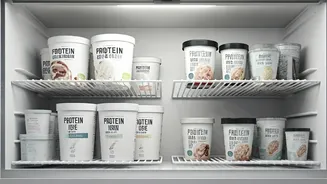
Not all protein ice creams are created equal. When you're standing in the freezer aisle, it's crucial to read the label carefully. Look for a protein content of at least 10 grams per serving to make it worthwhile. Pay attention to the type of sweetener used; while natural options like stevia and monk fruit are popular, some products use sugar alcohols, which can cause digestive discomfort in some individuals if consumed in large quantities. Also, check the ingredient list for fillers or artificial additives. Some brands in India are now focusing on 'clean labels', using whole-food ingredients and avoiding industrial stabilisers and emulsifiers altogether. The goal is to find a product that aligns with your health objectives without introducing a long list of synthetic ingredients.
The Indian Market Heats Up
The demand for healthier desserts has sparked a wave of innovation in the Indian market. Alongside international players, a new generation of Indian D2C startups like Go Zero, NOTO, and Get-A-Way are making their mark. These brands are specifically catering to health-conscious urban consumers, offering low-calorie, high-protein, and even vegan options. They are tapping into the growing 'better for you' trend, which is no longer a niche but a mainstream expectation. Some brands are even innovating with natural, locally understood sweeteners and indigenous A2 cow milk, creating products that are both healthy and culturally resonant. This local competition is driving quality up and giving Indian consumers more choice than ever.