





From Tourist to Conscious Traveller
The difference between a standard tourist and a conscious traveller lies in intention. It’s moving from a passive consumer of experiences to an active participant in a place's ecosystem. Overtourism, where destinations are overwhelmed by visitors, strains
local infrastructure and can make life harder for residents. Responsible tourism is the antidote, aiming to make places better for people to live in and better for people to visit. This shift doesn’t require grand gestures, but rather a series of small, mindful decisions that, collectively, create a positive ripple effect. It begins before you even pack your bags, with a commitment to leaving a place as good as, or better than, you found it. This involves respecting local habitats, traditions, and economies with every choice you make.
Spend Your Money Where It Matters
One of the most significant pitfalls of mass tourism is 'economic leakage'. This is when the money you spend flows out of the local economy to large, foreign-owned corporations, from hotel chains to booking platforms. In some developing regions, as little as 5% of every dollar spent by a tourist stays within the local community. To counter this, make a deliberate effort to support local businesses. Opt for a family-run guesthouse or a community-owned homestay instead of a multinational hotel. Eat at local restaurants, hire local guides, and buy souvenirs directly from the artisans who make them. This ensures your holiday spending directly benefits the people who live in the destination, supporting jobs, preserving culture, and funding community development.
Explore Beyond the Instagram Hotspots
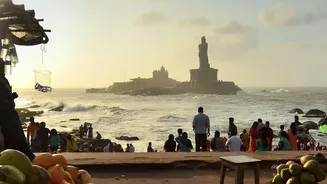
Saturated destinations are often defined by a few iconic, heavily photographed landmarks. While seeing these sites is tempting, an ethical approach involves looking beyond them. Overcrowding at major attractions is a key symptom of overtourism. Ask local guides or your homestay host for their recommendations on lesser-known spots. Consider visiting a popular city during its off-season or exploring neighbourhoods outside the main tourist bubble. This not only provides a more authentic and less stressful experience for you but also helps distribute the economic benefits of tourism more evenly. You might discover a charming local market, a quiet park, or a family-owned cafe that becomes the highlight of your trip, all while reducing the pressure on overburdened sites.
Engage with Culture Respectfully
Ethical travel is a two-way exchange, not a one-way observation. Before you go, take some time to learn about the local customs, traditions, and social etiquette. Learning a few basic phrases in the local language, like 'hello' and 'thank you', is a simple gesture that shows respect and can open doors to more genuine interactions. Community-based tourism offers incredible opportunities for this kind of deep engagement. These initiatives, owned and operated by local communities, invite travellers to participate in daily life, whether through a cooking class, a craft workshop, or a stay in a village homestay. This model puts residents in control, allowing them to share their culture on their own terms and ensuring that the financial benefits support their families and heritage.
Minimise Your Environmental Footprint
A positive impact also means a low environmental one. Popular destinations often struggle with the waste and pollution generated by high tourist numbers. You can make a difference with simple habits. Pack a reusable water bottle and shopping bag to reduce plastic waste. Be mindful of your water and energy consumption in your accommodation. Stay on marked trails when hiking to prevent soil erosion and protect natural habitats. When visiting marine environments, choose reef-safe sunscreen to avoid harming fragile aquatic ecosystems. By treating the destination with the same care you would your own home, you help preserve the natural beauty that attracted you there in the first place.