





Mark Your Calendar for Royal Festivities
Teej is one of Rajasthan's most beloved festivals, celebrating the reunion of Goddess Parvati and Lord Shiva. While there are three Teej celebrations, the main public event in Jaipur is Hariyali Teej, renowned for its royal scale. In 2026, Hariyali Teej falls
on Saturday, August 15th. This date coincides with India's Independence Day, meaning the city will be exceptionally busy, making early planning even more critical. The main festivities, including the grand procession, are expected to take place over August 14th and 15th. The day before Hariyali Teej, known as Sinjara, is filled with its own intimate traditions as women apply henna and families exchange gifts.
Why Jaipur’s Celebration Is Unmatched
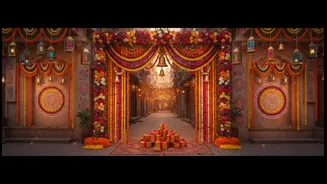
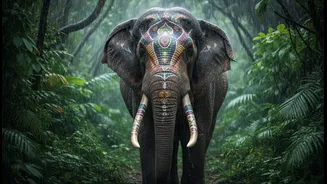
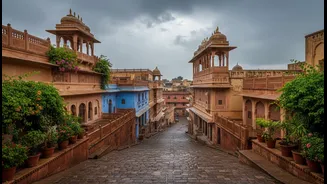
Unlike smaller, private celebrations elsewhere, Jaipur's Teej is a grand public spectacle with roots stretching back over two centuries to its Kachwaha kings. The festival's centerpiece is the 'Teej Mata ki Sawari', a magnificent procession where a centuries-old idol of Goddess Parvati is carried in a golden palanquin from the City Palace. Accompanied by decorated elephants, camels, royal guards, folk dancers performing Ghoomar, and musicians, the procession winds its way through the historic walled city. It traditionally begins at the Tripolia Gate and moves through Tripolia Bazaar, Choti Chaupad, and Gangauri Bazaar, creating a vibrant spectacle of devotion and culture.
Secure Your Stay and Travel Early
With Teej attracting visitors from all over India and the world, accommodation is one of the first things you should lock down. Hotels in and around the walled city, particularly near the City Palace, Johari Bazaar, and Tripolia Bazaar, are highly sought after as they offer walking-distance access to the main events. These prime spots fill up weeks, if not months, in advance. To avoid disappointment and high prices, it's advisable to book your stay by June at the latest. Similarly, book your flights or train tickets to Jaipur well ahead of time, as travel demand surges around the festival dates.
Master the Markets for Festive Shopping
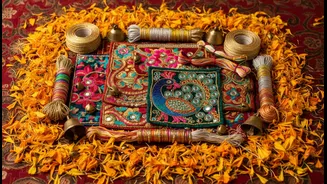
Teej transforms Jaipur's famous bazaars into a shopper's paradise. The markets are an experience in themselves, buzzing with energy and colour. For the quintessential Teej look, head to Bapu Bazaar for Leheriya sarees, the signature tie-dyed wave pattern fabric in brilliant monsoon shades. Johari Bazaar is the ultimate destination for jewellery, from traditional lac bangles to exquisite Kundan and Meenakari sets. For authentic jootis (traditional footwear) and handicrafts, Nehru Bazaar and Kishanpole Bazaar are must-visits. Remember to carry cash, as many local vendors may not accept cards, and be prepared for enthusiastic crowds.
Savour the Flavours of the Festival
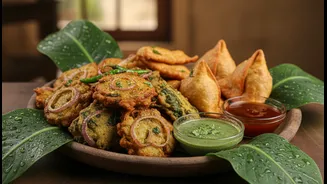
No festival in India is complete without its traditional foods, and Teej is no exception. The star of the culinary show is Ghevar, a disc-shaped honeycomb-like sweet made from flour and soaked in sugar syrup. You'll find stalls across the city selling this seasonal delicacy. Another festive favourite is Malpua, a sweet pancake-like dessert, often enjoyed with rabri. For those who enjoy savoury treats, the classic Rajasthani meal of Dal Baati Churma is a staple during the celebrations. These dishes are not just food; they are a taste of tradition passed down through generations.
Experience the Cultural Heartbeat
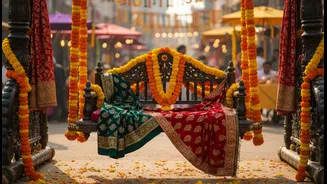
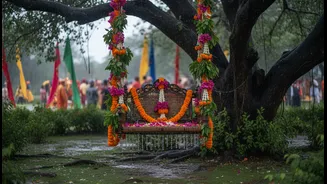
Beyond the main procession, Teej is about smaller, equally beautiful rituals. Look for 'jhulas' or swings, often decorated with marigold flowers, hung from trees in gardens and courtyards. Women dressed in their festive best, primarily in shades of green to symbolise the monsoon greenery, gather to sing traditional songs while swinging. Applying intricate mehndi (henna) designs on hands and feet is another core tradition, symbolising beauty and love. Participating in or even just observing these moments offers a deeper, more authentic connection to the festival's spirit.