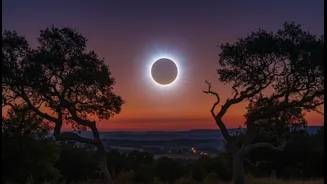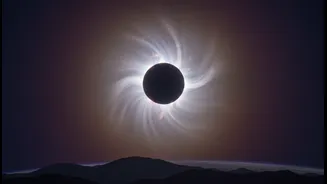







From Niche Hobby to Mass Tourism
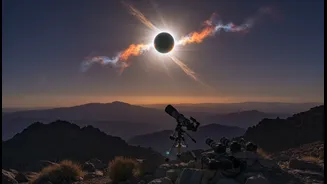
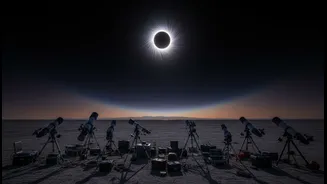
For decades, planning for a solar eclipse was a relatively quiet affair, reserved for dedicated astronomers and passionate hobbyists. They knew where to go and what to expect. The story was about science, optics, and finding a clear view. For most communities
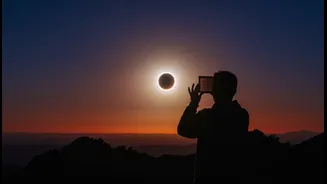
in the path of totality, it was a quirky, fleeting event. That narrative has been completely upended. The 2017 and 2024 total solar eclipses across North America demonstrated that these celestial events are now mainstream, mega-tourism phenomena. The experience of millions flocking to the path of totality, causing unprecedented traffic jams and overwhelming small towns, provided a stark lesson. Hotels sold out years in advance, and mobile networks crashed under the strain. The story is no longer just about the sun and moon; it's about infrastructure, public safety, and managing massive crowds.
Spain and Iceland on High Alert
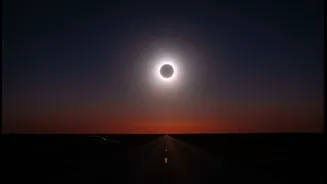
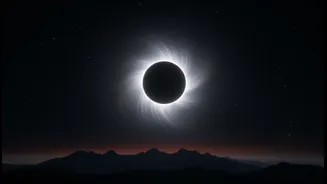
The path of totality for the 2026 eclipse will cross Greenland, western Iceland, and a wide swath of northern Spain, including the Balearic Islands. Authorities in these regions are not taking any chances. Learning from the chaos seen in the U.S., they are treating the eclipse as a major planned special event. Spain, which will see a trio of eclipses in 2026, 2027, and 2028, has even established a dedicated commission to manage the astrotourism boom. In Iceland, officials are already warning of significant traffic increases and implementing temporary traffic management measures, urging freight companies to limit travel on eclipse day to ensure safety and access for emergency services. These countries understand that a successful eclipse experience for visitors depends on proactive, large-scale logistical planning that addresses everything from road closures to emergency response.
Why Your Personal Plan Must Change
Just as governments are changing their approach, so too must individual travelers. The old idea of a spontaneous trip to the eclipse path is no longer viable. If you plan to witness totality in Spain or Iceland, you need a modern strategy. Booking accommodation and flights well in advance—as much as a year or more—is now essential, as tour groups and individual chasers quickly reserve the best spots. Beyond bookings, your plan needs to account for gridlock. Experts advise arriving at your viewing location at least a day early and staying overnight after the eclipse to avoid the inevitable traffic jams as millions attempt to leave at once. Think of it less like a day trip and more like attending a massive festival in a remote area. Pack essentials like water, food, and backup power banks, and have offline maps ready, as cell service will likely be overloaded.
Safety is More Than Just Glasses
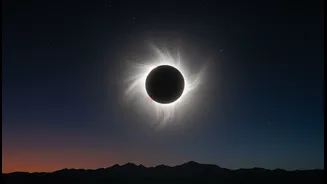
The message about not looking directly at the sun without proper eye protection has been clear for years. Using ISO 12312-2 certified eclipse glasses is non-negotiable during the partial phases. However, the new planning conversation expands the definition of safety. It now includes situational awareness in massive crowds, being prepared for hours-long travel delays, and having a personal emergency plan. The eclipse in Spain will occur late in the evening, just before sunset, which requires finding a viewing spot with an unobstructed western horizon. This adds another layer of planning, as many people will congregate in specific coastal or elevated areas. In Iceland, the weather is a significant wildcard, with a high chance of cloud cover. Being mobile and having backup locations is key, but that requires navigating roads that will be heavily congested. Safety is no longer just about your eyes, but about your entire journey.