






Stay Dry and Comfortable
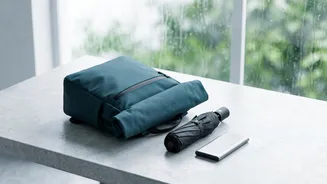
The first line of defence is against the rain itself. Getting soaked can make a long wait miserable and even lead to health issues. Your kit should include a lightweight, foldable poncho or raincoat, which offers more coverage than an umbrella during
windy downpours. A small, quick-dry microfibre towel is also essential for drying off your hands, face, or phone screen. If you have the space, packing an extra pair of socks can be a huge comfort after wading through an unavoidable puddle. Finally, a few large, sturdy plastic bags or zip-lock pouches are invaluable for keeping a wet umbrella or protecting your electronic gadgets and important documents.
Power Up and Stay Connected
A dead phone during an emergency is a modern-day nightmare. Monsoon traffic jams can drain your battery as you check for updates or inform your family. A fully charged power bank with at least a 10,000mAh capacity is non-negotiable. Ensure you have the correct charging cable for your device. Because of the risk of water damage, keeping your phone and the power bank inside a waterproof pouch is a smart extra step. It's also wise to have a physical note of emergency contacts, as you can't rely solely on a phone you may not be able to charge.
Basic First-Aid and Hygiene
Minor cuts or scrapes can happen, and exposure to dirty floodwater increases the risk of infection. A compact first-aid kit containing waterproof bandages, antiseptic wipes, and pain relief spray or tablets is a must. Hand sanitiser is crucial for hygiene, especially if you're using public transport or need to eat while stranded. It's also a good idea to include any personal medications you might need, such as for allergies or motion sickness, in case your commute is unexpectedly extended.
Sustenance for the Long Wait
What starts as a simple delay can stretch into hours, leaving you hungry and dehydrated. Pack a few non-perishable, high-energy snacks that won't spoil in your bag. Items like granola bars, nuts, dried fruits, or biscuits are perfect for keeping your energy levels up. Always carry a reusable bottle of drinking water. Staying hydrated is important, and it helps you avoid having to purchase water from potentially unhygienic sources.
Safety and Visibility Tools
If you are commuting by car, a few extra items are vital. A small, powerful LED torch with extra batteries is more reliable than a phone's flashlight and frees up your hands. A reflective warning triangle or high-visibility vest can be a lifesaver if your car breaks down and you need to be visible to other drivers in low light and heavy rain. For extreme situations involving flooding, a window breaker and seatbelt cutter tool provides a crucial escape option if your car becomes submerged.
Putting It All Together
The key to a successful commute kit is keeping it compact and accessible. Choose a small, waterproof bag or a designated dry bag to hold all your items. This keeps everything organised and protected from the elements. Store this kit in your backpack, office drawer, or car glovebox so it’s always ready to go when you are. Regularly check the contents, replacing any expired medications or used items and ensuring your power bank stays charged.