







Why Eat Seasonally During Monsoon?
Eating according to the season is an age-old practice rooted in Ayurveda and common sense. During the monsoon, our digestive system can become sluggish and our immunity is often compromised. The humid weather also increases the risk of water-borne diseases
and infections. Seasonal vegetables are nature’s answer to these challenges. They are typically easier to digest, packed with immunity-boosting vitamins, and are less likely to be contaminated compared to out-of-season produce, especially leafy greens which can harbour dirt and germs from rainwater.
The Versatile Bhindi (Okra)
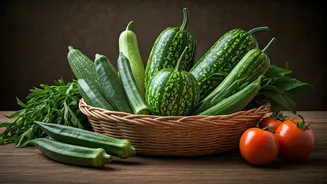
A staple in almost every Indian household, bhindi, or okra, is a true monsoon hero. It’s incredibly light on the stomach and a fantastic source of dietary fibre, which aids digestion and prevents constipation—common issues during this season. Bhindi is also rich in Vitamin C, an essential antioxidant for bolstering your immune system. Its low-calorie, high-fibre profile makes it a great choice for weight management. Whether you like it crispy as kurkuri bhindi, stuffed in a flavourful masala, or as a simple stir-fry with onions, this vegetable is as delicious as it is healthy.
Hearty Beans (Sem ki Phalli)
The monsoon brings a variety of beans to the market, including cluster beans (gavar), French beans, and broad beans (sem). These vegetables are packed with plant-based protein, fibre, and essential minerals like iron and calcium. Their high fibre content helps in maintaining stable blood sugar levels and promotes a healthy gut. Beans are known for their immunity-boosting properties, providing the strength needed to fight off seasonal colds and flu. They are incredibly versatile, adding a wonderful crunch and flavour to everything from simple sabzis and stir-fries to rich coconut-based curries.
Cooling Lauki (Bottle Gourd)
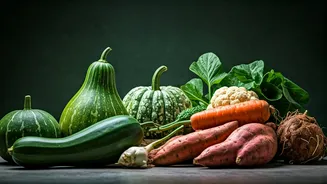
Often misunderstood and unfairly disliked, lauki is one of the best vegetables to consume during the monsoon. With a water content of over 90%, it is incredibly hydrating and cooling for the body. It is extremely easy to digest, making it gentle on a sensitive stomach. Rich in fibre and low in calories, bottle gourd helps keep you full without feeling heavy. It is also a good source of vitamins C and B. Try it in a simple sabzi with tomatoes and spices, blend it into a soup, or even make delicious koftas. Its subtle flavour allows it to absorb other spices beautifully.
The Mighty Karela (Bitter Gourd)
Yes, it’s bitter, but the health benefits of karela are too good to ignore, especially during the monsoon. Bitter gourd is renowned for its ability to help regulate blood sugar levels, making it a superfood for diabetics. It is also a powerful blood purifier, loaded with antioxidants that help flush out toxins and improve skin health, warding off the acne and fungal infections that can flare up in the humidity. To reduce its bitterness, you can salt the sliced vegetable and let it sit for 30 minutes before rinsing and cooking. A stuffed karela or a crispy, thinly sliced fry can convert even the biggest sceptics.
Comforting Sweet Corn (Bhutta)
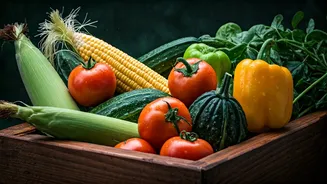
Is it even monsoon without the sight and smell of roasted bhutta being sold on a street corner? Sweet corn is not just a nostalgic snack; it’s also a nutritious one. It’s a good source of fibre, which aids digestion, and is packed with antioxidants like lutein and zeaxanthin, which are beneficial for eye health. While a simple roasted corn cob with salt and lemon is a classic, you can also enjoy boiled corn kernels in salads, soups, or as a simple snack. It provides complex carbohydrates that give you sustained energy to combat the lethargy that often accompanies gloomy, rainy days.