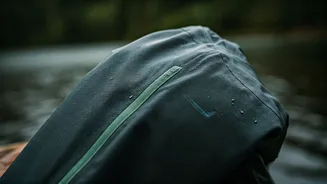









The Problem with 'Forever Chemicals'
For decades, the secret to a high-performance waterproof jacket was its Durable Water Repellent (DWR) coating. This finish makes water bead up and roll right off the fabric. The problem is that most of these coatings have traditionally been made using
per- and polyfluoroalkyl substances, or PFAS, also known as PFCs. These synthetic compounds are incredibly effective at repelling not just water, but oil and stains too. Unfortunately, their effectiveness comes from their extreme persistence. Nicknamed 'forever chemicals', PFAS do not break down naturally in the environment. They accumulate in our soil, water, and even our bodies over time. These chemicals are released during manufacturing, but also every time you wear and wash your jacket, contributing to widespread environmental contamination. Studies have linked PFAS exposure to a range of health concerns, prompting regulators and conscious consumers to demand a change.
The Eco-Friendly Upgrade: PFC-Free Technology
The good news is that the outdoor apparel industry is undergoing a significant transformation. Brands are now widely adopting PFC-free DWR treatments that provide water repellency without the harmful environmental baggage. These newer formulas might use alternatives based on silicone, waxes, or even plant-based chemistry to create a water-resistant surface.
Beyond just the surface coating, the innovation runs deeper. Major material manufacturers have developed new waterproof membranes that are also made without these forever chemicals. Gore-Tex, for example, introduced its expanded polyethylene (ePE) membrane, a PFC-free alternative now used by brands like Arc'teryx and Patagonia. Many companies are also pairing these new technologies with recycled materials, creating jackets from post-consumer plastic bottles and other waste, further reducing their environmental footprint.
Does It Actually Work? Performance vs. Planet
This is the crucial question for anyone who relies on their gear to stay dry: is this new eco-friendly rain gear as good as the old stuff? The answer is a resounding yes, with a small caveat. When it comes to repelling water, modern PFC-free DWR finishes are highly effective. Your new jacket will keep you dry in a downpour.
The main difference is in how they handle oil, dirt, and abrasion. Traditional PFC-based coatings were excellent at repelling everything, including skin oils and grime. The new PFC-free alternatives are more susceptible to contamination from these substances. This doesn't mean the jacket stops being waterproof, but a dirty outer fabric can get saturated—a process called 'wetting out'—which reduces the garment's breathability and makes you feel damp. However, this is easily fixed with proper care.
What to Look For on the Label
Shopping for sustainable rain gear is easier than ever. When you're looking for a new jacket, check the product tags and online descriptions for a few key terms. The most important phrases are "PFC-free" or "PFAS-free," which indicate the gear doesn't use these forever chemicals in its DWR treatment or membranes. Some brands may use more specific labels like "PFCec-free," meaning free of PFCs of environmental concern.
Also, look for jackets made with recycled content, such as recycled polyester or nylon. Many brands are proud of this and will state it clearly. Certifications like Bluesign indicate that the chemicals used in production are safe for the environment and workers. Finally, support brands that are transparent about their sustainability efforts. Companies like Patagonia, Vaude, Jack Wolfskin, and others have been leaders in the transition away from PFCs.
Caring For Your Greener Gear
Because PFC-free gear is less resistant to oils and dirt, it requires more frequent cleaning to maintain its performance. Don't be afraid to wash your jacket! Letting dirt and grime build up will compromise its water repellency. Use a technical cleaner specifically designed for outdoor apparel, not a standard household detergent which can leave residues that attract water.
After washing, you may need to reactivate the DWR finish with gentle heat. Tumble drying on a low setting for about 20 minutes usually does the trick, but always check the garment's care label first. If you notice water is no longer beading on the surface after washing and drying, it's time to reapply a waterproofing treatment. There are many easy-to-use, spray-on or wash-in PFC-free waterproofing products from brands like Nikwax and Granger's that will restore your jacket to its former glory.