

What Exactly Is a Sodium-Ion Battery?
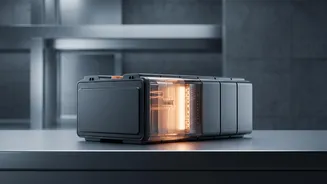
Think of a sodium-ion battery as the close cousin of the lithium-ion batteries that power our phones and current electric vehicles (EVs). They work on a similar 'rocking-chair' principle, where ions move between a cathode and an anode to store and release
energy. The key difference, as the name suggests, is the star player: it uses abundant and inexpensive sodium instead of costly and geographically concentrated lithium. This fundamental swap in materials is what makes the technology a potential game-changer for mass-market EVs.
The Core Advantage: A Significant Cost Reduction
The primary appeal of sodium-ion technology is its potential to drastically cut costs. The raw materials are the biggest factor. Sodium, the sixth most abundant element on Earth, is found globally in rock salt and seawater. Its core ingredient, sodium carbonate or 'soda ash', is dramatically cheaper than battery-grade lithium carbonate. Furthermore, sodium-ion batteries can use aluminium for current collectors instead of the more expensive copper required in lithium-ion cells, adding to the savings. Some estimates suggest sodium-ion batteries could be 30-50% cheaper to produce than their lithium-ion counterparts, a cost benefit that can be passed directly to the consumer. This is crucial for India's price-sensitive two-wheeler market.
Beyond Price: Safety and All-Weather Performance
Affordability isn't the only advantage. Sodium-ion batteries generally have better thermal stability, reducing the risk of fire and overheating—a key safety concern for consumers. They can also be transported and stored at zero volts, which significantly improves handling safety. Another major benefit for the diverse Indian climate is their superior performance in extreme temperatures. Unlike lithium-ion batteries, which can lose a significant portion of their capacity in the cold, sodium-ion cells operate more reliably across a wider temperature range, from freezing winters to scorching summers.
Are There Any Downsides?
The technology is not without its trade-offs. The most significant is lower energy density compared to lithium-ion. In simple terms, a sodium-ion battery of the same size and weight will typically store less energy, which could mean a shorter range for an electric scooter. While this might be a deal-breaker for high-performance electric cars, it is less of an issue for electric two-wheelers primarily used for daily urban commutes. Another challenge is that while the raw materials are cheap, the technology is still in the early stages of mass production, and establishing the large-scale manufacturing infrastructure will take time and investment.
India's Push for 'Desh Ki Battery'
This technology aligns perfectly with India's 'Make in India' and energy security goals. By reducing reliance on imported lithium, cobalt, and nickel, India can buffer itself from geopolitical supply chain risks. Several Indian companies are already making significant strides. Firms like Indi Energy are developing sodium-ion cells using hard carbon derived from agricultural waste, creating a uniquely circular and sustainable local supply chain. Corporate giants like Reliance have also invested heavily, acquiring UK-based Faradion to set up a giga-scale manufacturing plant in India. This domestic push is critical for creating a resilient EV ecosystem.
The Real-World Impact on Your Next Scooter
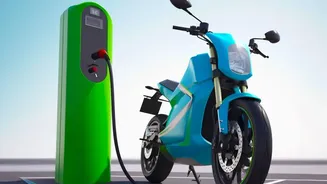
So, when can you expect to buy a cheaper electric scooter powered by a sodium-ion battery? The transition is already beginning. With companies aiming for mass production, the first models featuring this technology are expected to hit the market in the coming years. A potential cost reduction of 25-30% on the battery pack, which is the single most expensive component of an EV, could translate into a significantly lower showroom price. This could make electric two-wheelers competitive with their petrol-powered counterparts on initial cost alone, not just on long-term running costs, accelerating India’s transition to clean mobility.