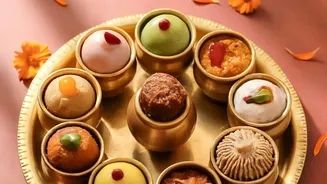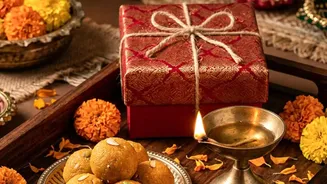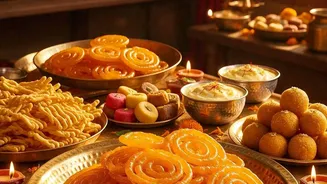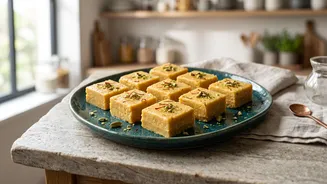



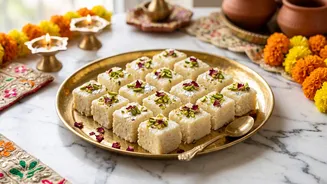
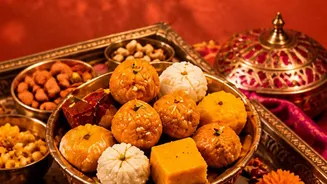
Bhai Dooj is a celebration of a special bond, made even sweeter with homemade mithai. Two spices are key to that festive magic: saffron and cardamom. But using these royal ingredients is a skill. Let's unlock their true potential together.
Saffron: The Blooming Ritual
The single most
common mistake when using saffron, or kesar, is tossing the dry threads directly into your dish. This leaves you with uneven colour and a fraction of the flavour. Saffron's magic is only unlocked when it's given time to 'bloom'. This simple but transformative step involves steeping the threads in a warm liquid before adding them to your recipe. This process releases the compounds responsible for its vivid golden colour, distinct fragrance, and complex taste. To do this, gently crush a pinch of saffron threads with your fingers or a mortar and pestle and soak them in a few tablespoons of warm milk or water for 15 to 20 minutes. The liquid should be warm to the touch, not boiling, as extreme heat can damage the delicate aroma. Once the liquid turns a deep golden-orange, it's ready. Add the entire infusion, threads and all, to your kheer, halwa, or shrikhand for maximum impact.
Perfecting Your Saffron Sweets
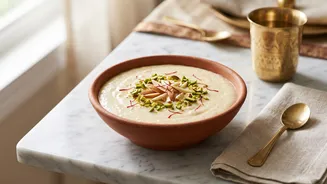
With your bloomed saffron ready, timing is everything. For dishes like kheer or rabdi, add the saffron-infused milk toward the end of the cooking process. This ensures its beautiful aroma isn't cooked off and remains potent in the final dessert. For sweets like shrikhand or peda, the saffron milk is whisked into the main mixture before it sets or is shaped. How much should you use? While saffron is precious, being too conservative can lead to disappointing results. A good rule of thumb is about 15 to 20 threads for a dish that serves four people. This is enough to impart a noticeable colour and flavour without veering into the medicinal or bitter taste that can come from using too much.
Cardamom: The Queen of Spices
Cardamom, or elaichi, is the soul of festive aroma. While you can find both green and black varieties, it is the small green pods that are preferred for their sweet, floral, and slightly citrusy notes, which are perfect for desserts. The most significant debate in the kitchen is often whether to use whole pods, pre-ground powder, or freshly ground seeds. While convenient, pre-ground cardamom powder loses its potency quickly as its essential oils are exposed to air. For the most intense and authentic flavour, nothing beats grinding the seeds yourself just before you use them.
Freshly Ground for Maximum Flavour
To get the best from your cardamom, buy whole green pods. When your recipe calls for it, lightly crack open a few pods and extract the small, black seeds. You can grind these seeds into a fine powder using a spice grinder or a traditional mortar and pestle. A spice grinder is quick and efficient for larger batches, while a mortar and pestle gives you excellent control for smaller amounts needed for a single dessert. As a general guide, about 10 to 12 pods will yield roughly one teaspoon of ground cardamom. Unlike saffron, which is added earlier, ground cardamom should be stirred in at the very end of the cooking process. This preserves its volatile oils, ensuring its fresh, powerful fragrance shines through in every bite of your barfi or ladoo. For dishes where you want a subtle infusion, like in a simmering milk base, you can lightly crush a whole pod and drop it in, removing it before serving.