

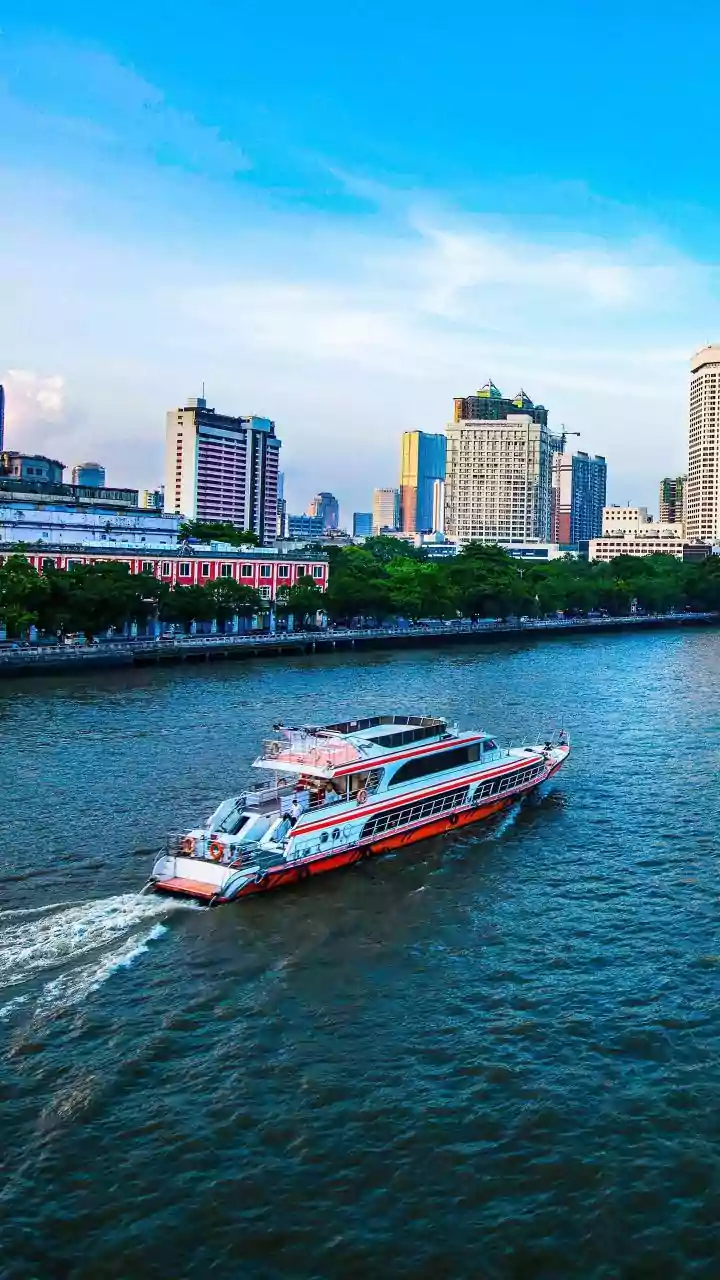


The constant hum of traffic, the hazy skylines, and the relentless pace of city life can take a toll. Now, a growing number of Indian travellers are seeking more than just a vacation; they're opting for 'urban recovery' holidays.
The Weight of City Living
For many residents of
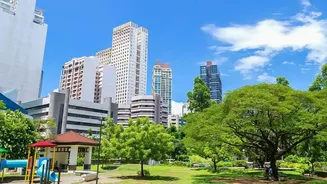
India's bustling metropolitan areas, the daily grind involves more than just long commutes and work pressure. It involves navigating significant air and noise pollution, which have tangible effects on health and well-being. Cities like Delhi, Mumbai, and Bangalore are economic powerhouses, but the side effects of this growth include high stress levels, respiratory distress, and a pervasive sense of burnout. This has led to a noticeable shift in travel priorities. The desire to escape is no longer just about seeing new sights, but about finding a genuine respite from a toxic urban environment. In fact, travel industry experts have noted that during periods of severe smog, bookings from cities like Delhi to nearby hill stations or less polluted areas see a significant spike.
What is an Urban Recovery Holiday?
Unlike a traditional, action-packed tour, an urban recovery holiday is defined by its intention: to rest and recuperate. The primary goal is not to tick off a list of attractions, but to find a peaceful environment where one can physically and mentally recharge. These trips are specifically chosen to counteract the negative impacts of city life. The focus is on clean air, quiet surroundings, and slow-paced activities. It's a conscious move away from over-scheduled itineraries towards unstructured time for relaxation, mindfulness, and connecting with nature. Think less sightseeing, more 'being'. The destinations are often chosen for their low Air Quality Index (AQI) and serene settings.
The Key Ingredients for Recovery
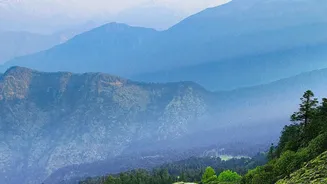
The core components of these restorative breaks are simple yet effective. Clean air is non-negotiable, which is why destinations in the Himalayas, the Western Ghats, or quiet coastal areas are popular choices. Activities are centered around well-being and include yoga, meditation, nature walks, and reading. Many retreats and homestays catering to this trend offer curated wellness experiences, such as Ayurvedic treatments, digital detoxes, and nutritious, locally-sourced meals. The idea is to create a holistic environment that calms the nervous system and promotes better sleep, reduced anxiety, and mental clarity. It’s about giving both mind and body a much-needed break from overstimulation.
Finding Your Sanctuary Near the City
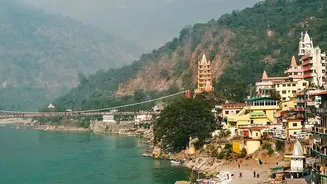
The good news is that one doesn't have to travel across the country to find such a sanctuary. Many destinations are just a few hours' drive from major metros. For those in Delhi and the NCR, the foothills of Uttarakhand and Himachal Pradesh offer numerous options, from Rishikesh with its yoga retreats to quieter spots like Kasauli or the Tirthan Valley. Near Mumbai and Pune, the hills of Lonavala, Igatpuri, and the tranquil coast of Alibaug provide clean air escapes. For residents of Bangalore, wellness centres and farm stays in places like Coorg and Chikmagalur offer a perfect setting to unwind amidst coffee plantations and lush greenery. These accessible locations make it possible to take short, frequent recovery breaks.
More Than a Vacation, It's a Reset
An urban recovery holiday is increasingly seen not as an indulgence, but as a necessary investment in personal health. The benefits often last long after the trip is over. Guests at such retreats report returning with a renewed sense of energy, better sleep patterns, and improved focus. By stepping away from the pollution and stress, travellers give their bodies a chance to detoxify and their minds a chance to quiet down. This trend reflects a broader cultural shift towards prioritising wellness and recognising that true rest is a critical component of a productive and healthy life. It’s about proactively managing burnout rather than waiting for it to become a crisis.