

A National Shift in Snacking Habits
A significant change is underway in Indian kitchens and shopping carts. Consumers are increasingly making more intentional choices, trading traditional, often fried, snacks for healthier alternatives. This trend is fueled by rising health consciousness,
greater awareness of lifestyle-related diseases, and the demands of fast-paced urban lives. People are not just looking for taste anymore; they want snacks that offer functional benefits. According to a 2026 healthy snacking survey, a staggering 86% of respondents consider protein an important factor when choosing what to eat between meals, and 62% prioritize clear ingredient information. This has paved the way for a market boom in products that are baked instead of fried, rich in protein and fibre, and made with transparent, clean-label ingredients.
The Mighty Makhana's Moment
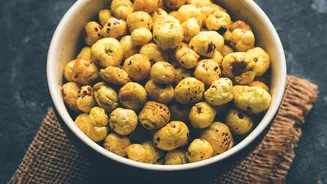
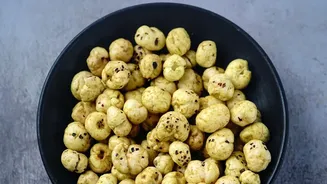
At the forefront of this movement is makhana, also known as fox nuts or lotus seeds. Once considered a traditional food primarily for fasting, makhana has transformed into a mainstream superfood. These light, crunchy puffs are naturally low in calories and fat, gluten-free, and packed with essential minerals like magnesium, potassium, and phosphorus. Their appeal lies in offering a satisfying crunch similar to potato chips but with a much healthier nutritional profile. The versatility of makhana is another key to its success; it can be roasted and seasoned with endless flavour combinations, from simple salt and pepper to zesty peri-peri, making it an ideal replacement for fried namkeens and chips for everyday snacking.
Nuts and Seeds: The New Mainstays
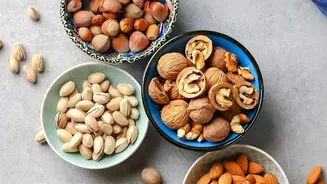
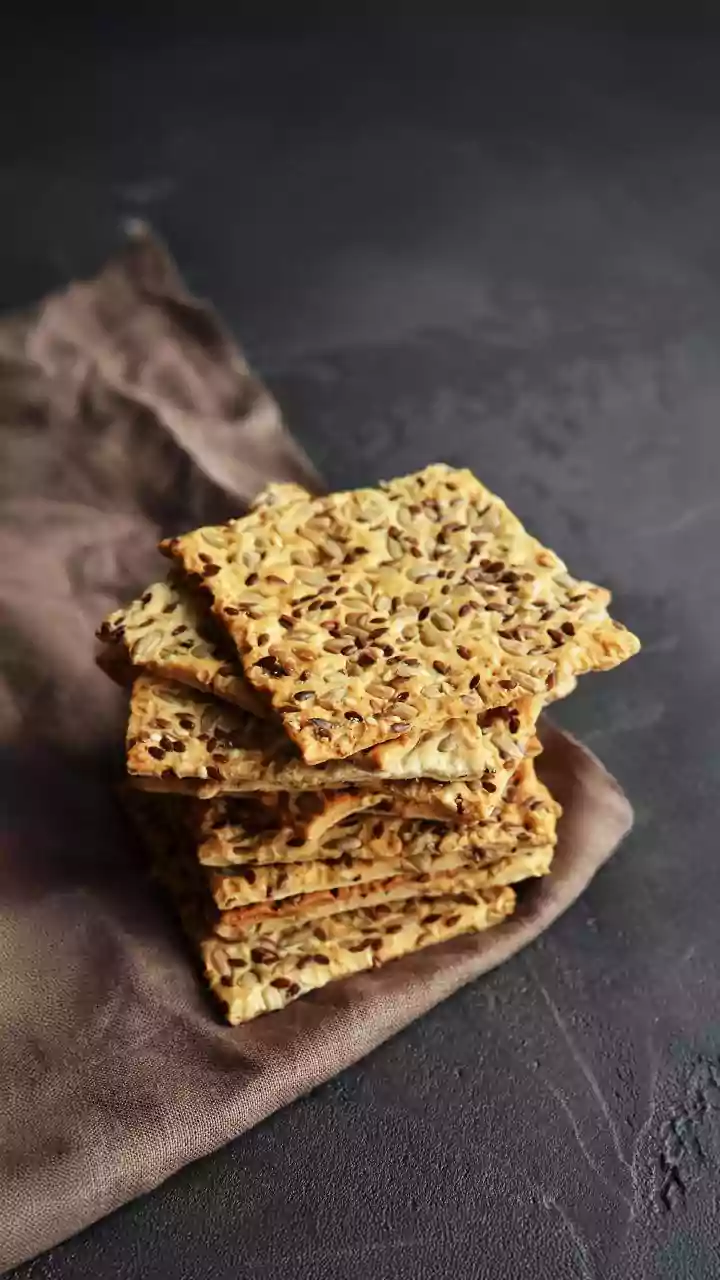
Nuts and seeds are also shedding their reputation as mere festive ingredients or garnishes. Almonds, walnuts, cashews, and various seeds are now treated as everyday, functional snacks. This category, which includes fruit, nuts, and seeds, was the largest segment in the Indian healthy snacks market in 2025. Consumers are reaching for a handful of almonds or a mix of pumpkin and sunflower seeds instead of sugary biscuits for their tea-time snack. The reasoning is simple: nuts provide a powerful combination of healthy fats, protein, and fibre, which helps in promoting satiety and providing sustained energy. This aligns perfectly with the modern Indian consumer's goal of finding snacks that are both convenient and nutrient-dense.
The Protein Power Play
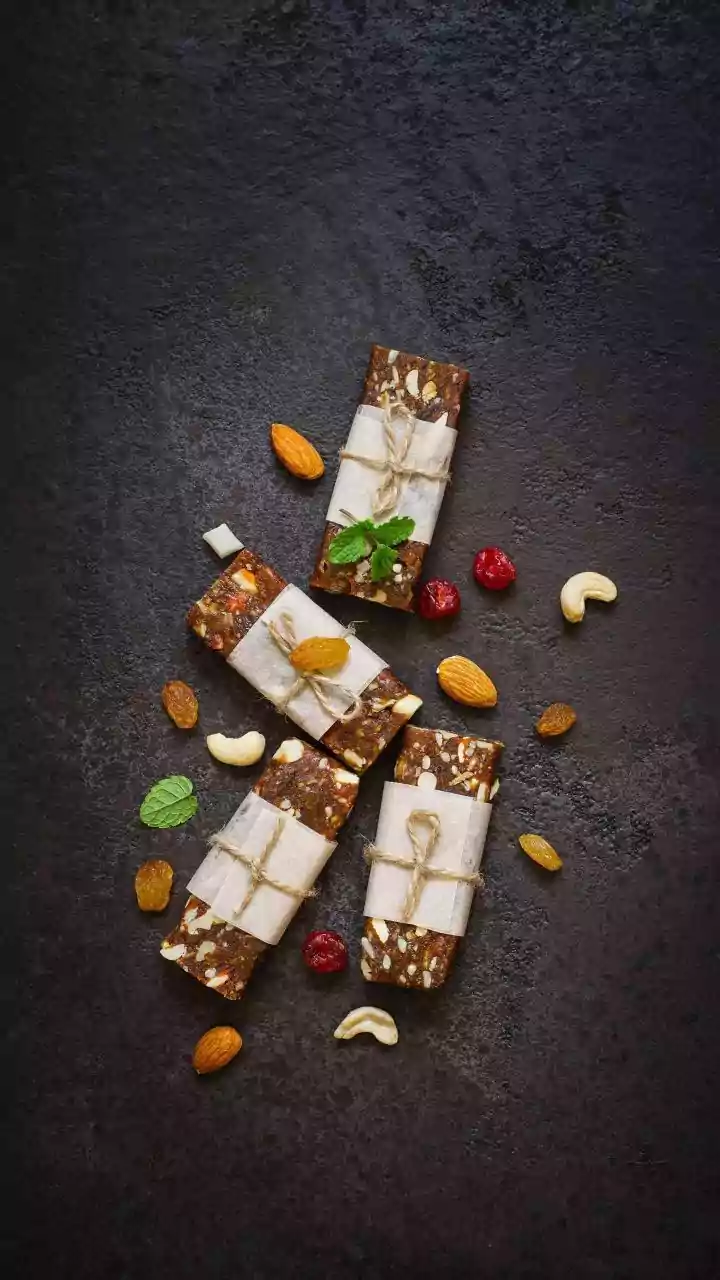
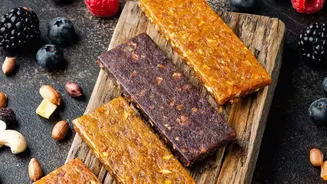
The demand for protein has officially gone mainstream in India, moving beyond the niche market of gym-goers and fitness enthusiasts. This has led to an explosion in the availability and popularity of protein-fortified snacks. The category is one of the fastest-growing, with products like protein bars, protein chips made from lentils or chickpeas, and even protein-enriched yogurts seeing massive demand. According to one quick-commerce platform, orders for protein products surged by 150% over two years, with protein snacks growing by 300%. This trend is expanding rapidly beyond metropolitan areas into Tier II and Tier III cities, indicating a nationwide shift towards more intentional, protein-focused eating habits.
What's Driving the Change?
Several factors are converging to fuel this healthy snacking boom. Increased disposable income, widespread fitness awareness, and the compressed schedules of urban life are major drivers. Younger generations, particularly Gen Z and millennials, are leading the charge. They are more label-conscious, digitally savvy, and quick to adopt global wellness trends. They seek transparency from brands and are often willing to pay a premium for products that align with their health values. The result is a dynamic market where traditional ingredients like makhana are being reinvented for a modern audience, and new, innovative products are constantly emerging to meet the growing appetite for snacks that are as nutritious as they are delicious.