





The Daily Grind's Hidden Waste
In cities across India and the world, cafes and households produce tonnes of spent coffee grounds every day. When a cup of coffee is brewed, less than 1% of the coffee bean's biomass ends up in your drink. The other 99% is typically discarded, ending
up in landfills where it decomposes and releases methane, a potent greenhouse gas. This represents not only a significant environmental challenge but also a missed opportunity to reclaim the valuable nutrients still locked within the grounds.
Nature's Master Recyclers
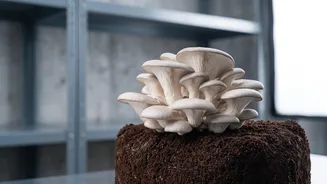
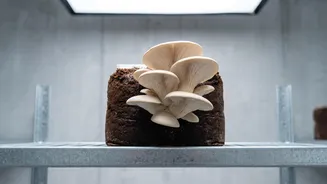
Enter the humble mushroom. Fungi are nature's decomposers, experts at breaking down organic matter. Oyster mushrooms (Pleurotus ostreatus) are particularly well-suited for this task. They thrive on the nitrogen and other essential minerals packed into coffee grounds. A major advantage is that the brewing process itself pasteurises the grounds, eliminating many competing moulds and bacteria. This means growers can often skip the energy-intensive sterilisation step that's required for other growing mediums like sawdust or straw, making the process simpler and more cost-effective.
From Cafe to Urban Farm
The process is a perfect example of a circular economy. It starts with collecting fresh coffee grounds—less than 24 hours old to prevent mould growth—from local cafes. This waste is then mixed with mushroom spawn, which is the vegetative root structure of the fungus, also known as mycelium. While some methods use pure coffee grounds, many growers find that mixing in other materials like straw or sawdust improves air exchange and prevents the fine grounds from compacting. The mixture is packed into special grow bags or buckets and kept in a dark, controlled environment for two to three weeks as the white, thread-like mycelium colonises the substrate. Once fully colonised, the bags are moved to a space with fresh air and indirect light, and within a couple of weeks, clusters of fresh mushrooms are ready to be harvested.
A Sustainable and Nutritious Harvest
The benefits of this innovative farming method are manifold. It diverts a significant waste stream from landfills, reducing our environmental footprint. It promotes local food production, bringing fresh produce closer to urban consumers and enhancing food security. Moreover, the resulting harvest is highly nutritious. Oyster mushrooms are a great source of protein, fibre, and a range of B vitamins, making them a healthy alternative to meat. One study on oyster mushrooms grown on coffee grounds found a protein content of between 17 and 25 grams per 100 grams. This makes them a valuable addition to a balanced diet.
Pioneering the Future of Food
This movement is being championed by social enterprises and startups globally. Companies like GroCycle in the UK and Funghi Espresso in Italy have demonstrated the commercial viability of this model, turning tonnes of coffee waste into gourmet mushrooms and other products. Funghi Espresso even takes it a step further, using the post-harvest substrate for vermicomposting, creating a high-quality organic fertiliser and closing the loop entirely. These initiatives often provide training and sell DIY kits, empowering individuals to become urban farmers in their own homes and reconnect with their food source.