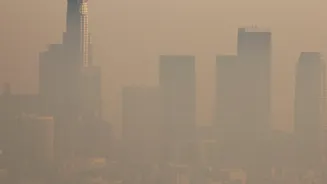



During heavy smog, running an air purifier feels like a necessary defence for your home. But if your device seems to be fighting a losing battle, the problem may not be the purifier, but the constant stream of pollutants sneaking in from outside.
Why Your Purifier Is Only Half the Solution
An air
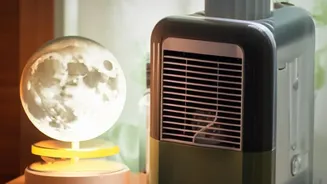
purifier works by pulling in the air within a room, trapping harmful particles like PM2.5, and circulating clean air back out. It’s an effective system, but it can only clean the air that's already inside. During smog season, homes are constantly infiltrated by polluted outdoor air through countless invisible gaps, cracks, and openings. This continuous influx forces your purifier to work overtime, trying to clean air that is being re-contaminated every second. It’s like trying to bail water out of a boat with a hole in it. To truly create a clean air sanctuary, you need to plug the leaks first.
Finding Your Home’s Weak Points
No home is perfectly airtight. Pollutants are experts at finding their way in. Common entry points for smog particles include gaps around window frames and door jambs, old or worn-out weatherstripping, and unsealed entry points for pipes or wiring. Other culprits can be exhaust fan vents in kitchens and bathrooms, which can allow outside air to flow back in when not in use. Even the small gap under your main door can be a significant source of infiltration. Take a walk through your home and carefully inspect these areas. Feeling a slight draft is a clear sign that you have an air leak that needs addressing.
Low-Cost Seals for a Cleaner Room
The good news is that sealing most of these leaks is a simple and affordable DIY project. For gaps around windows and doors, self-adhesive foam weatherstripping tape is an excellent solution. It compresses to form a tight seal when the window or door is closed. For the space under your doors, installing a door sweep or a simple 'draft stopper' can make a huge difference. For any visible cracks or gaps in walls or around window sills, a basic tube of caulk can permanently seal the opening. These small fixes can dramatically reduce the amount of outdoor pollution entering your home, giving your air purifier a much better chance to succeed.
Create a 'Clean Air Room'
Trying to seal your entire home at once can feel overwhelming. A more manageable and highly effective strategy is to focus on creating a single 'clean air room'. This is typically a bedroom, where you spend a significant amount of time, especially while sleeping. Concentrate your sealing efforts on this one room, making it as airtight as possible. Then, place your portable air purifier inside and keep the door closed. This creates a sanctuary with significantly cleaner air, providing a space for your body to rest and recover from high pollution exposure, without the cost and effort of outfitting the entire house.
Running Your Purifier the Smart Way
Once your room is sealed, the final step is to use your purifier correctly for maximum impact. During periods of heavy smog, it's more effective to run the purifier continuously on a low or medium setting rather than in short bursts on high. This maintains a consistent level of clean air and prevents pollutant levels from creeping back up. Ensure your purifier is the correct size for the room, as an undersized unit will struggle to keep up. Finally, remember to check and replace your HEPA filters according to the manufacturer's recommendations. A clogged filter can't do its job, no matter how well your room is sealed.