

Gopalkala from Maharashtra
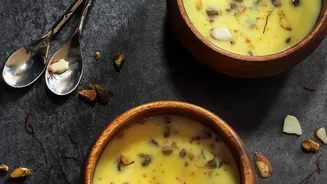
In Maharashtra, Janmashtami celebrations, especially Dahi Handi, are incomplete without Gopalkala. This savoury and wholesome dish is a symbolic recreation of the meal Lord Krishna shared with his cowherd friends. It's a simple, no-cook preparation made
by mixing flattened rice (poha) with yogurt, chopped cucumber, fresh coconut, and a tempering of ghee, cumin seeds, and green chillies. Pomegranate seeds are sometimes added for a burst of sweetness. The dish represents unity and camaraderie, bringing together different textures and flavours in one humble offering that is both cooling and nutritious.
Dhania Panjiri from North India
A staple prasad in North Indian states like Uttar Pradesh and Punjab, Dhania Panjiri is a unique sweet specifically made for Janmashtami. Unlike regular panjiri made from whole wheat flour, this version uses roasted coriander seed powder as its base, making it suitable for those who are fasting. The aromatic coriander powder is sautéed in ghee and mixed with powdered sugar, makhana (fox nuts), chopped almonds, cashews, and melon seeds. This fragrant, nutty, and warming sweet is not just a delicious offering but is also considered beneficial to have after a day-long fast.
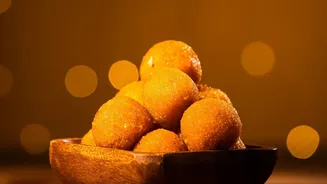
Taler Bora from West Bengal
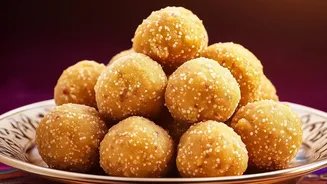
In West Bengal, the arrival of Janmashtami coincides with the season of the Asian palmyra palm, or 'taal'. This leads to the preparation of Taler Bora, or sweet palm fritters, a beloved seasonal delicacy. The pulp of the ripe palm fruit is painstakingly extracted and mixed with rice flour, semolina, grated coconut, and sugar or jaggery to form a thick batter. This batter is then deep-fried into small, golden-brown balls that are fluffy on the inside and slightly crisp on the outside. The unique, fragrant sweetness of the palm makes these fritters an unforgettable part of the region's Nandotsav celebrations, the day after Janmashtami.
Seedai and Murukku from Tamil Nadu
Down south, Krishna Jayanthi, as the festival is known in Tamil Nadu, is celebrated with an array of crunchy, savoury snacks. Chief among them are Uppu Seedai (savoury) and Vella Seedai (sweet), which are small, deep-fried balls made from a dough of rice flour and urad dal flour. These are considered favourites of Lord Krishna. The dough is often flavoured with coconut and sesame seeds. Alongside these, Kai Murukku, a spiral-shaped crunchy snack, is also prepared. The process of shaping these snacks is a cherished ritual in many households, filling the home with the spirit of celebration.
Panchamrut
While enjoyed across India, Panchamrut is a quintessential part of Janmashtami offerings, especially in regions like Gujarat. The name translates to 'five nectars', and this sacred concoction is made from five key ingredients: raw milk, yogurt (curd), honey, sugar, and ghee. It is a simple, uncooked mixture that symbolises purity and divinity. Often, it is garnished with chopped nuts or a few leaves of Tulsi. Served as charanamrit after the midnight puja, this divine elixir is believed to have purifying properties and is the first thing many devotees consume when breaking their fast.