






The Lure of Red Gold
For centuries, the fields of Pampore, known as the 'Saffron Town of Kashmir,' have produced some of the world's most prized saffron. This isn't just any spice; Kashmiri saffron is renowned for its deep crimson colour, intense aroma, and potent flavour,
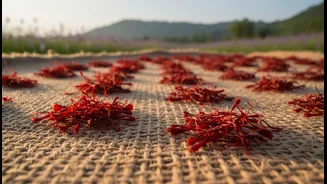
qualities that have earned it a Geographical Indication (GI) tag, signifying its unique origin and quality. The harvesting process is a testament to tradition, unchanged for generations. In the brief window from late October to mid-November, farmers meticulously hand-pick the delicate Crocus sativus flowers at dawn. Each flower yields just three crimson stigmas, which are then carefully separated and dried. It is this labour-intensive craft, passed down through families, that makes the spice worth more than its weight in gold and a symbol of luxury and heritage.
Meet the Modern Glowmad
Enter the 'glowmad,' a new archetype of traveller redefining modern journeys. The term describes those who plan their trips with wellness, self-care, and authentic experiences at the forefront. They are less interested in ticking off a checklist of sights and more focused on immersive, transformative moments that nurture well-being. This trend is part of a larger shift, particularly among younger Indian travellers, away from passive consumption and towards experiential travel. Glowmads seek stories, not just souvenirs. They want to understand the origin of what they consume, whether it's a skincare product or a culinary ingredient, creating a deeper connection to the places they visit.
An Experience Beyond the Spice Jar
A saffron sourcing trip in Kashmir is the quintessential glowmad experience. It transcends a simple purchase and becomes a multi-sensory cultural immersion. Tour operators and local communities now offer guided visits where travellers can walk through the vibrant purple fields of Pampore, a short drive from Srinagar. The real magic lies in participation. Visitors can join farmers in the early morning harvest, learning to pluck the delicate flowers themselves. The journey continues as they witness the painstaking process of separating the stigmas and see how they are dried. Many tours include tasting sessions of saffron-infused Kahwa tea or traditional dishes, often in a local home, creating a direct link between the land, the farmer, and the visitor.
A Story in Every Strand
For the modern consumer, the story behind a product is as valuable as the product itself. The desire for authenticity and transparency is a powerful market force. By participating in the harvest, travellers gain a profound appreciation for the dedication required to produce a single gram of high-quality saffron. This experience transforms the spice from a simple commodity into a cherished memory and a tangible link to Kashmiri culture. When they return home, the saffron they use is imbued with the story of the fields, the scent of the morning air, and the memory of the people who harvested it. This narrative-rich approach to consumption is what makes these sourcing trips so compelling.
The Renaissance of Saffron Tourism
This growing interest in saffron tourism provides a vital economic boost to the region. It offers local farming families a new, sustainable source of income beyond the traditional sale of the spice. By hosting tours, farm stays, and cultural experiences, they can share their heritage and expertise directly with an engaged audience. Initiatives like the India International Kashmir Saffron Trading Centre in Pampore have also helped by introducing e-auctions, ensuring better prices and market access for farmers. This new form of tourism helps preserve ancient agricultural traditions while fostering a deeper, more respectful connection between visitors and the communities they explore, ensuring the legacy of Kashmir's red gold continues to shine.