



What Exactly Is the Horse Gram Story?
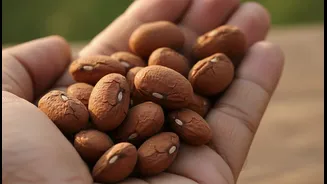
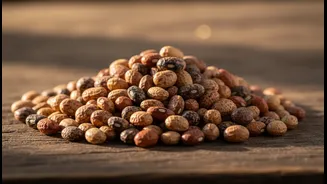
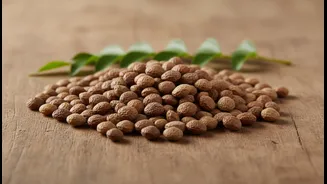
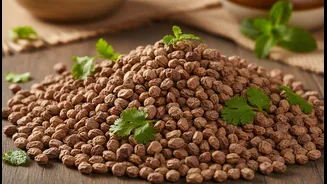
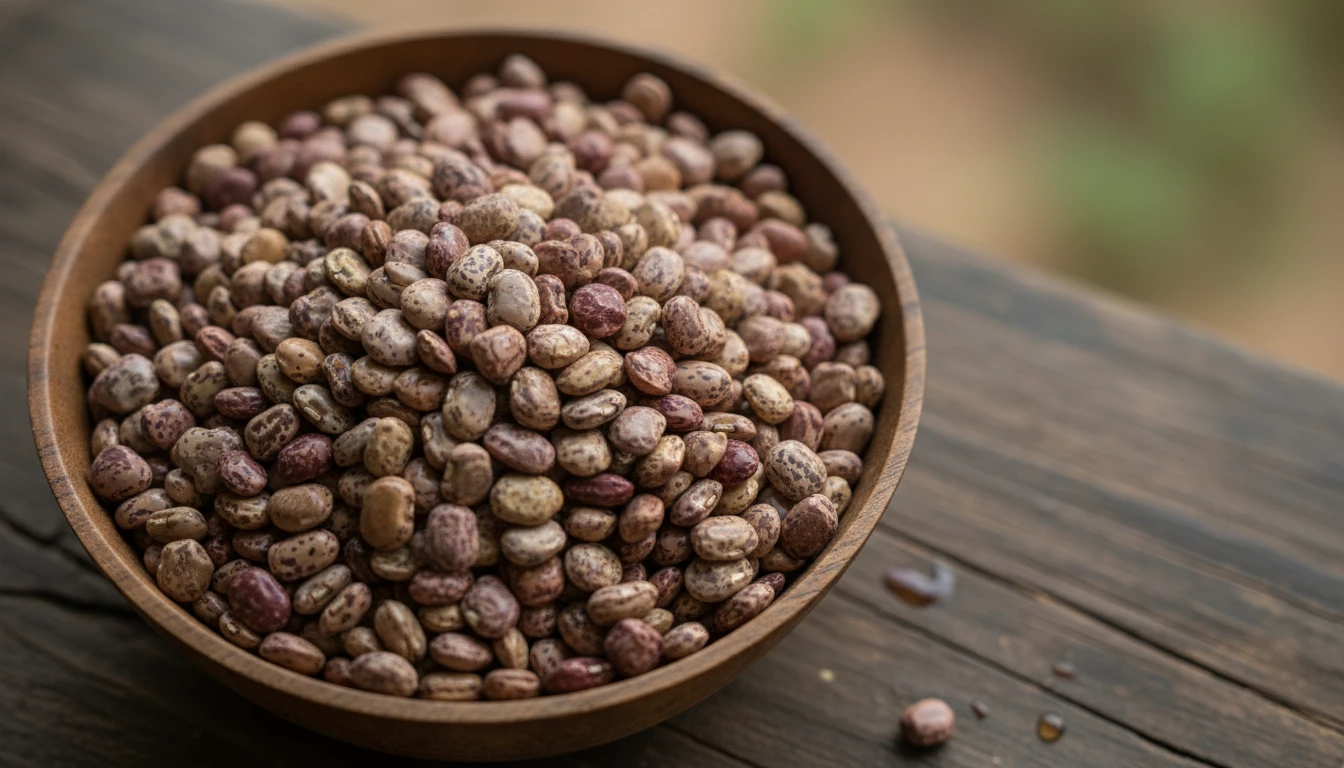
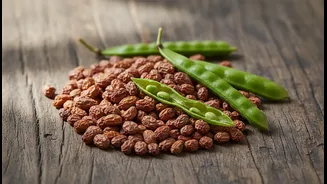
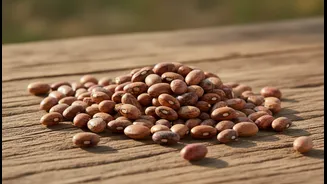
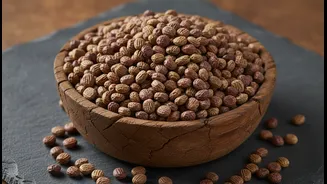
Horse gram (Macrotyloma uniflorum) is one of India’s oldest domesticated legumes, with evidence of its cultivation dating back thousands of years. Its English name comes from its traditional use as nutritious feed for horses and cattle, a testament to
its high protein content. In human cuisine, it has long been considered a food of the rural poor, a hardy crop that thrives in dry, difficult conditions where others fail. This resilience made it a reliable source of sustenance. Known regionally as kulthi, kollu, or gahat, it has deep cultural roots, particularly in South India and the Himalayan foothills, where it’s a key ingredient in warming winter soups and dals.
A Nutritional Giant with Nuances
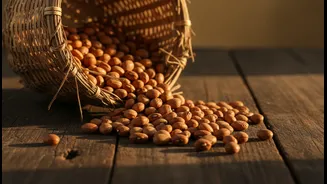
On paper, horse gram is a nutritional champion. It boasts one of the highest protein contents among lentils and is packed with iron, calcium, molybdenum, and dietary fibre. Traditional Ayurvedic and Siddha medicine value it for its 'heating' properties, using it to treat ailments like kidney stones, colds, and asthma. Modern studies have even noted its potential for managing blood sugar levels. However, the story isn't all hype. Horse gram has a distinct, robustly earthy flavour that is much stronger than that of common dals like moong or toor. It’s not a universally loved taste and can be an acquired one. It's also a very hard pulse that requires lengthy soaking (overnight is best) and significant cooking time, even in a pressure cooker, to become tender.
A Realistic Look at Affordability
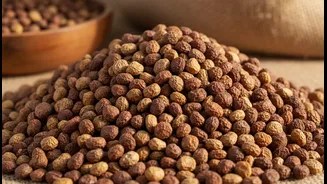
While historically a 'poor man's food', the affordability of horse gram today is complex. In regions where it is widely cultivated, such as parts of Karnataka and Andhra Pradesh, it remains a cost-effective protein source. However, in urban centres or areas where it is not commonly grown, it is often sold as a specialty health food, sometimes at a price higher than more mainstream pulses. The rising prices of all pulses in India have made affordability a concern across the board. Therefore, positioning horse gram solely as a cheap alternative can be misleading. Its true value lies in its nutritional density and its role in regional culinary traditions, rather than just a low price tag.
How to Approach Cooking with Horse Gram
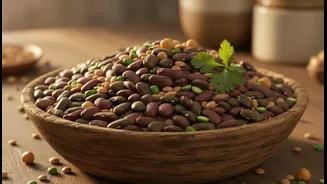
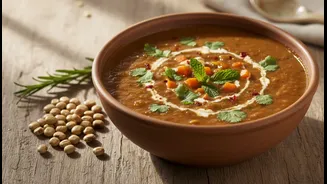
To get the best out of horse gram, preparation is key. Always start by rinsing the lentils and picking out any debris. Soaking is non-negotiable; an overnight soak is ideal to soften the pulse and make its nutrients more bioavailable. Due to its hard texture, a pressure cooker is highly recommended, cooking for at least 30-40 minutes after the first whistle. Even after cooking, the grains tend to hold their shape rather than turning to mush. This makes them great for rustic dals, hearty soups (like Ulavalu Charu), and sundals. The cooking water is highly nutritious and flavourful, and should not be discarded; it can be used to make kollu rasam or consumed as a warm, peppery broth.
Finding Its Place in Your Kitchen
Don't think of horse gram as a direct substitute for your everyday dal. Instead, treat it as a unique ingredient with its own character. Its earthy flavour pairs beautifully with bold spices like black pepper, garlic, tamarind, and cumin. Because of its warming properties, it is particularly well-suited for winter meals. You can introduce it slowly by making a traditional recipe like a Kollu Rasam, a thin and spicy soup, or a Kulthi dal. For a thicker texture, some of the cooked dal can be blended and added back to the pot. Embracing horse gram is about celebrating culinary diversity and tapping into traditional nutritional wisdom, not just chasing a trend.