






What Exactly Is a Workation?
A workation is not just working from home in a different city. It is a deliberate choice to travel to a leisure destination without taking formal time off. Unlike a traditional vacation where the out-of-office is on, a workation involves maintaining a regular
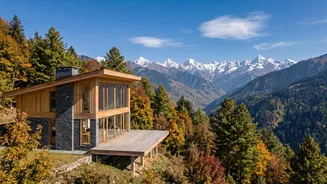
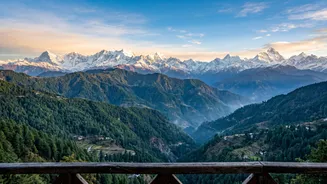
work schedule but from a location like a beachside cafe in Goa or a mountain homestay in Himachal. It is a hybrid concept, offering a change of environment without a break from professional duties. For India’s younger workforce, especially in sectors like IT, consulting, and digital media, this means the only prerequisite for work is a laptop and a stable internet connection. This allows them to escape urban burnout and routine without dipping into their precious annual leave balance.
The Drivers Behind the Trend
The single biggest catalyst for the workation trend has been the widespread adoption of remote and hybrid work policies by Indian companies. With organisations becoming more flexible, employees have realised that “work from anywhere” can mean more than just their study room. This shift is amplified by a generational change in mindset. Professionals under 35 increasingly prioritise quality of life, new experiences, and flexibility over rigid schedules. In fact, a recent report found that 50-55% of young professionals value proximity to family and quality of life more than a metro-city salary. This has led to a talent migration towards tier-2 and tier-3 cities, which offer a better work-life balance and lower cost of living. The desire to escape the monotony of city life and the stress of long commutes are also significant motivators.
Blurring the Lines: Holiday vs. Logged In
Workations are fundamentally altering how holiday leave is perceived and used. Instead of saving up for one or two long holidays, many young professionals are now opting for several shorter trips blended with work. This approach allows for longer stays in a destination—sometimes for months—without draining their leave quota. However, this trend coincides with data showing that Indian workers are often cautious about using their full leave entitlement. A 2025 report revealed that Indian employees take fewer annual leave days compared to their APAC peers, often in shorter 2-day increments. The workation offers a middle path. An employee might travel to a new city, work for three days, and then take a two-day leave to explore, effectively turning a standard weekend into a five-day getaway while only using two vacation days. This makes travel more accessible and frequent, but it also raises questions about whether employees are ever truly switching off.
How Companies and Policies Are Adapting
Indian companies are increasingly formalising their remote work guidelines, with many now offering official work-from-anywhere policies. These policies often specify the maximum number of days an employee can work from a different location, including internationally. Employers recognise that offering such flexibility is a major advantage in attracting and retaining talent, leading to higher employee satisfaction and productivity. However, it also presents challenges. Companies must navigate compliance issues related to taxation, data security, and even the potential risk of creating a 'permanent establishment' in another state or country, which can have legal and tax implications. For managers, the key is to build trust and ensure that productivity does not drop, regardless of the employee's location.
The Future of Annual Leave
The rise of the workation suggests a future where annual leave is used more strategically. The traditional two-week, fully disconnected holiday might become less common, replaced by a more fluid approach to time off. We may see a greater distinction between 'recharge days'—short breaks for mental health—and longer travel periods that incorporate work. This fragmentation of leave could become the new norm, where employees sprinkle short breaks throughout the year rather than consolidating them. This shift reflects a broader re-evaluation of work-life integration over strict separation. For young Indians facing high levels of stress and burnout, the ability to change their environment while staying productive is becoming a non-negotiable part of their professional lives. The workation is more than a passing trend; it signals a permanent change in the relationship between work, life, and travel.