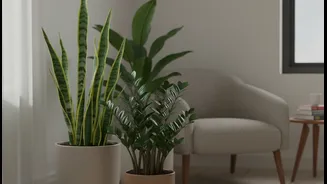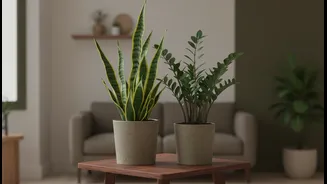




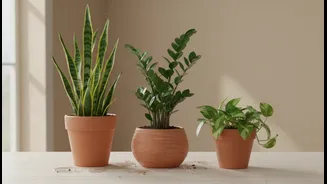


The Unkillable Snake Plant
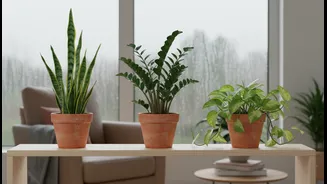
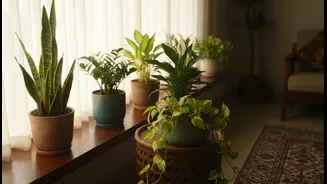
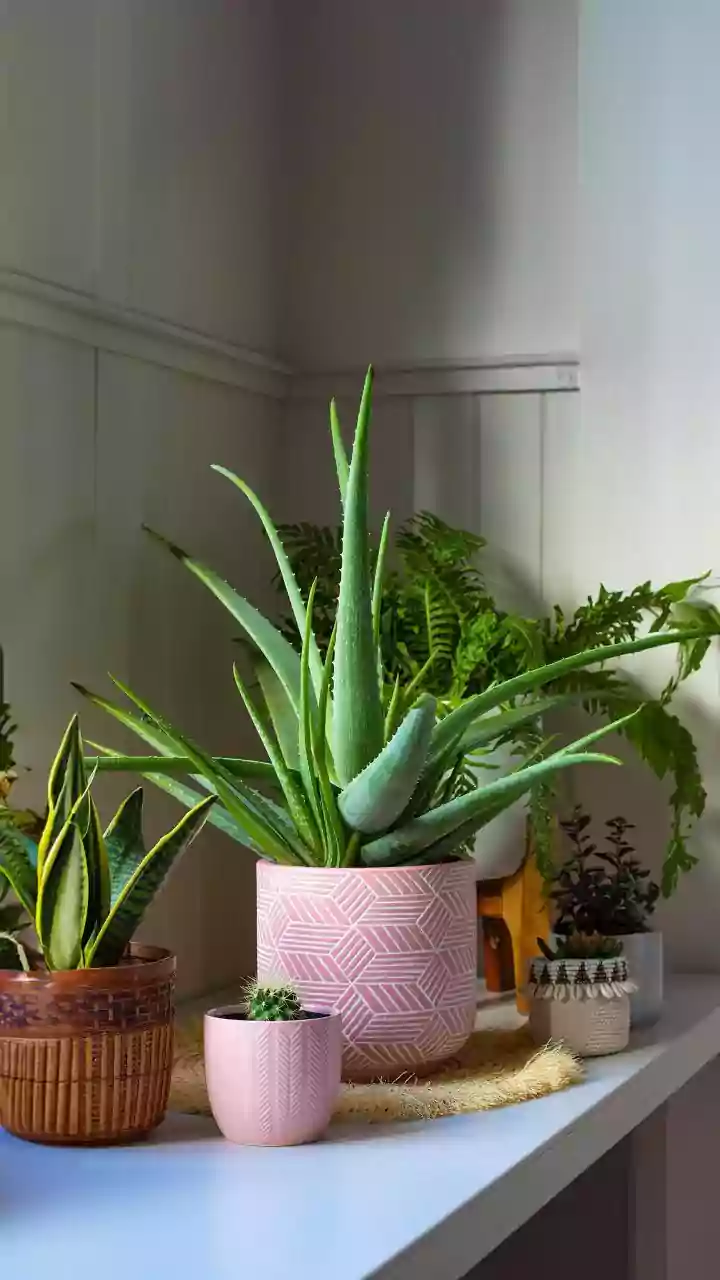
Often called 'mother-in-law's tongue', the Snake Plant is perfect for beginners and busy individuals. Its upright, architectural leaves make a stylish statement, and it’s renowned for its air-purifying qualities, even converting CO2 to oxygen at night.
This hardy plant thrives on neglect; it tolerates low light and requires infrequent watering, making it ideal for the monsoon when overwatering is a major risk. In fact, during the rainy season, you might only need to water it once every three to four weeks. Let the soil dry out completely before you even think about reaching for the watering can.
The Resilient ZZ Plant
The Zamioculcas zamiifolia, or ZZ Plant, is another nearly indestructible option that's perfect for the darker corners of your home. Its glossy, dark green leaves add a touch of polished elegance. The ZZ plant is extremely drought-tolerant because it stores water in its underground rhizomes, making it a champion at surviving forgotten waterings. This is a huge advantage during the humid monsoon months, as it is highly resistant to the root rot that plagues many other houseplants. Dust its waxy leaves occasionally to keep it looking its best.
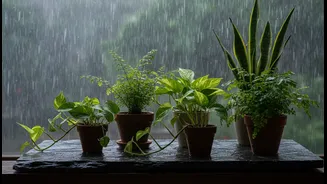
The Versatile Money Plant
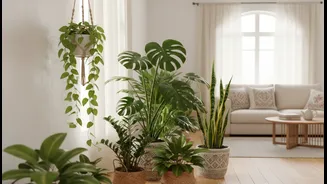
No Indian home feels complete without a Money Plant (Pothos or Epipremnum aureum). This incredibly forgiving vine thrives in the high humidity of the monsoon season. Its heart-shaped leaves, often variegated with yellow or white, can trail beautifully from shelves or hanging baskets. Pothos is an excellent communicator; its leaves will start to droop slightly when it needs water, taking the guesswork out of your care routine. It's also fantastic at purifying indoor air by removing common toxins. Given its adaptability to low light, it's a perfect, auspicious addition to any room.
The Elegant Peace Lily
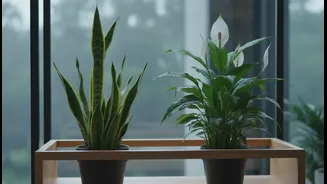
If you want a plant that offers more than just foliage, the Peace Lily (Spathiphyllum) is an excellent choice. It produces beautiful, white spathes that look like flowers and stands out against its dark, glossy leaves. Peace Lilies prefer shady spots and are great for improving indoor air quality. They are well-suited for the monsoon as they enjoy consistent moisture and higher humidity levels, which can encourage them to bloom. Like the Pothos, it will droop dramatically when thirsty, providing a clear visual cue that it’s time to water.
The Colourful Aglaonema
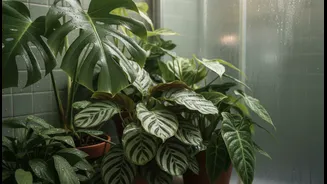
To combat the grey skies, introduce a splash of colour with the Aglaonema, or Chinese Evergreen. Available in a variety of patterns featuring shades of pink, red, silver, and green, this plant brightens up any low-light corner. Aglaonemas thrive in the warm, humid conditions typical of the Indian monsoon and are relatively low-maintenance. They prefer their soil to be kept evenly moist but not waterlogged, so be sure to check the soil before watering. Their vibrant foliage is a wonderful mood-booster on a dreary, rainy day.
Monsoon Care Essentials
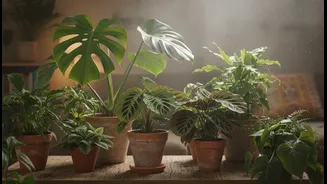
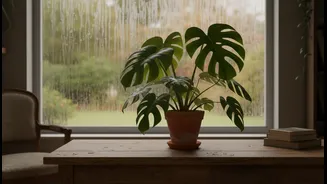
Caring for plants during the monsoon requires a few adjustments. The biggest dangers are overwatering, which leads to root rot, and fungal infections due to high humidity and poor air circulation. Always check if the top inch or two of soil is dry before watering. Ensure your pots have excellent drainage holes and empty any collected water from saucers below. Try to improve ventilation by opening windows during dry spells. Wiping leaves with a damp cloth can remove dust and help prevent fungal growth, while a periodic spray with neem oil solution can keep pests at bay.