




From Grandma’s Kitchen to Cafe Menus
Move over, cold brew and kombucha. A quiet revolution is taking place in the beverage landscape of urban India. Two traditional drinks, Sol Kadhi and Kanji, long cherished within homes, are now finding pride of place on the menus of trendy city cafes.
Once considered humble, seasonal staples, their resurgence is powered by a new generation’s growing appetite for wellness, authenticity, and local flavours. In cities like Mumbai, Delhi, and Bengaluru, cafes known for their artisanal coffee and minimalist decor are embracing these vibrant, nutrient-rich drinks, serving them to a clientele hungry for something both new and deeply familiar. This isn’t just about adding another drink to the menu; it's a cultural nod, acknowledging the deep wisdom of Indian culinary traditions in an increasingly globalised world.
Sol Kadhi: The Coastal Soother
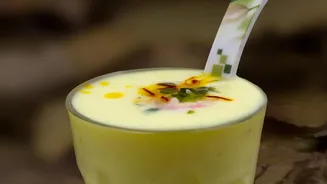
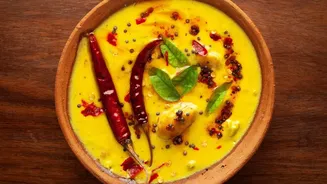
Hailing from the sun-drenched Konkan coast of Maharashtra and Goa, Sol Kadhi is a beautiful, pale pink beverage known for its unique blend of tangy and creamy flavours. Its primary ingredients are coconut milk and the sour fruit kokum (Garcinia indica), which gives the drink its signature colour and taste. Traditionally served as a digestive after a spicy seafood meal, Sol Kadhi is revered for its cooling properties. The kokum is packed with antioxidants and compounds that aid digestion, while the coconut milk provides a smooth, soothing base that balances the fruit's tartness. It’s a gentle, refreshing drink that calms the stomach, making it a perfect antidote to heavy meals and humid weather.
Kanji: The Fermented Powerhouse of the North
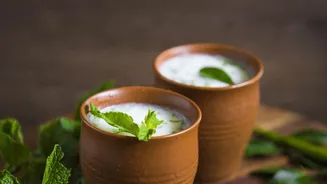
Travel north, and you’ll find Kanji, a pungent, fermented drink with deep roots in Punjab, Rajasthan, and Uttar Pradesh. Traditionally made with black carrots (kali gajar) or beetroot, water, salt, and coarsely ground mustard seeds, Kanji is left to ferment in the sun for several days. This process creates a tangy, sour beverage teeming with probiotics, primarily Lactobacillus bacteria. Historically associated with the festival of Holi, it’s a quintessential winter and spring drink. Long before kombucha became a global phenomenon, Kanji was India’s original gut-friendly tonic, celebrated for its ability to improve digestion, boost immunity, and detoxify the body. Its sharp, acquired taste is a sign of its potent, living ingredients at work.
The Gut Health Connection
The meteoric rise of these drinks in urban cafes is no coincidence. It directly aligns with the global wellness trend and the growing fascination with gut health. As consumers become more aware of the connection between a healthy microbiome and overall well-being, the demand for natural, probiotic-rich foods has soared. Sol Kadhi and Kanji perfectly fit this need. Kanji, being a fermented beverage, is a natural source of beneficial bacteria that can help balance gut flora, much like kefir or kimchi. While Sol Kadhi isn't fermented, its key ingredient, kokum, is known to have properties that promote digestive enzymes and soothe the stomach lining, contributing to a healthier digestive system. For health-conscious urbanites, these drinks offer an authentic, local alternative to commercially produced probiotic supplements and imported beverages.
A Sip of Nostalgia and Modern Identity
Beyond the health benefits, the appeal of Sol Kadhi and Kanji is also emotional. In a world of homogenous cafe chains, these drinks offer a taste of home and a connection to cultural roots. They represent a return to tradition and a celebration of regional Indian flavours. For many, ordering a Sol Kadhi in a modern cafe is an act of nostalgia, a reminder of family meals and generational recipes. For cafe owners, it's a smart way to differentiate their offerings and cater to a discerning audience that values authenticity. This trend signals a shift in urban tastes—a move away from simply adopting global trends to rediscovering and reinterpreting India’s own rich culinary heritage for a modern palate. It’s a delicious fusion of the past and the present, served one refreshing glass at a time.