





Why Hill Driving is Different
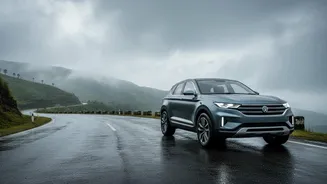
Driving in the mountains is not like a city commute. Long, steep climbs can strain the engine and cause overheating, while sharp, winding descents put immense pressure on your brakes. Weather can change in an instant, with fog and rain reducing visibility.
The roads themselves can be narrow and unforgiving. Add to this the high altitude, which can affect engine performance, and it becomes clear why preparing your vehicle isn't just recommended—it's essential for your safety. A breakdown that's a simple inconvenience in the city can become a serious problem on a remote mountain pass.
Brakes: Your Most Critical Safety System
On a downhill slope, you rely heavily on your brakes. Constant braking can cause them to overheat, leading to a dangerous condition known as 'brake fade,' where their stopping power is significantly reduced. Before your trip, have a mechanic inspect your brake pads for wear, check the brake fluid level and condition, and test the handbrake. Listen for any squeaking or grinding sounds, which are tell-tale signs that your brake pads need replacing. Remember, on long descents, it's wise to use engine braking—shifting to a lower gear—to help control your speed and save your brakes from overheating.
Tyres: The Foundation of Your Grip
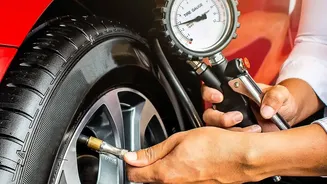
Your tyres are the only part of your vehicle in contact with the road, making them critical for grip and stability on winding hill roads. Before you leave, check the tread depth; worn tyres are a major risk, especially on wet surfaces. Ensure your tyres are inflated to the manufacturer's recommended pressure, which can be found on a sticker inside the driver's door frame. Also, don't forget to check the spare tyre to make sure it's properly inflated and ready to go. Given the rough terrain, inspecting for any cuts or bulges is also a crucial step.
Engine, Fluids, and Cooling System
Climbing steep inclines puts a heavy load on your engine, generating a lot of heat. Your car's cooling system must be in top condition to prevent overheating. Check your coolant level and inspect all hoses for leaks or cracks. It's also a good time to check your engine oil. Clean oil is vital for engine performance and lubrication, especially during long drives. If a service is due soon, it's best to get it done before your trip. Also ensure other vital fluids like transmission fluid and power steering fluid are topped up.
Visibility and Electricals
Mountain weather is notoriously unpredictable. Fog, mist, and sudden downpours are common, making visibility a key safety concern. Ensure all your lights are working perfectly—headlights, tail-lights, brake lights, and indicators. Functional fog lamps can be a lifesaver in dense fog. Test your windscreen wipers and top up the washer fluid; you'll likely need them. Also, give your battery a check-up. Colder temperatures in the hills can weaken an older battery, and you don't want to be left stranded with a car that won't start.
The Essential Emergency Kit
Even with the best preparation, unexpected issues can arise. A well-stocked emergency kit can make a huge difference. Your kit should include a basic toolkit, a puncture repair kit, a portable tyre inflator, and jumper cables. Also pack a flashlight, a first-aid kit, some non-perishable snacks, drinking water, and essential medicines. Having these items on hand ensures you are prepared to handle minor issues yourself or to wait safely for assistance if needed.