



What New Research Reveals
Recent studies are consistently highlighting the health risks associated with a high intake of ultra-processed foods (UPFs). These are not just your average processed items; they are industrial formulations with long ingredient lists. Research has linked
high consumption of UPFs—like sugary drinks, packaged snacks, and instant meals—to increased risks of serious health issues, including heart disease, type 2 diabetes, and obesity. One study found that for each additional daily serving of UPF, the risk of a major cardiac event could increase by over 5%. The concern is not just the high levels of sugar, salt, and unhealthy fats but also the industrial processing itself, which strips food of beneficial nutrients like fibre and alters its fundamental structure.
Decoding the Nutrition Label
The single most powerful tool you have is the ability to “flip the pack.” The Food Safety and Standards Authority of India (FSSAI) encourages consumers to look beyond the flashy front and read the back label. Start with the ingredients list, which is your most honest guide. Ingredients are listed by weight, so the first three make up the bulk of the product. If sugar, salt, or refined flour (maida) are at the top, it’s a red flag. Next, check the nutritional facts. Don't just look at calories. Pay close attention to serving size, as all values are based on that amount, and a small packet may contain multiple servings. Compare products and choose options that are lower in added sugars, sodium, and saturated fats, and higher in dietary fibre.
Beware of Front-of-Pack Traps
Food labels can often feel like marketing-heavy minefields rather than information-led guides. The FSSAI has recently cracked down on misleading claims like “100% Pure” or “100% Natural,” noting they can be ambiguous and create a false sense of superiority over other products. Similarly, terms like “no added sugar” can be tricky. A product might not contain white sugar but could be sweetened with date syrup or fruit concentrates, which are still forms of sugar. Claims such as “multigrain” or “baked, not fried” can also be misleading. A multigrain cracker might still be high in sodium and made mostly of refined flour. Always verify these front-of-pack claims by checking the detailed ingredients and nutrition panel on the back.
Simple Rules for Smarter Shopping
Making healthier choices doesn't have to be complicated. A great rule of thumb is to choose products with shorter ingredient lists, featuring names you can recognise and might have in your own kitchen. When you can, opt for foods that list a whole grain (like “whole wheat”) as the very first ingredient. Don’t be afraid of frozen or canned produce; they can be just as nutritious as fresh options, especially if you choose vegetables with no added salt and fruits packed in their own juice. Another simple strategy is to compare brands. When choosing bread or snacks, take an extra 30 seconds to compare the sodium or sugar content between two or three options and pick the lower one. Small swaps like these can make a big difference over time.
The Enduring Power of Whole Foods
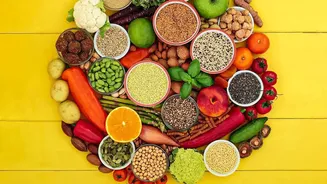
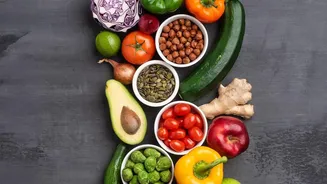
While navigating packaged foods is a necessary skill, it's also important to remember the value of whole foods—items that are not processed at all. Fresh fruits, vegetables, lentils, beans, and unprocessed meats and fish don't come with confusing labels or hidden ingredients. Shifting your diet to include more of these foundational foods is one of the most effective ways to improve your overall health. They are naturally rich in fibre, vitamins, and minerals that are often lacking in highly processed options. Thinking of packaged foods as a smaller part of your diet, rather than the main source of your meals, can fundamentally change your relationship with food for the better and reduce your reliance on deciphering complex labels.