



Planning Your Monsoon Drive
A road trip from Satara to Mahabaleshwar during the monsoon is less about speed and more about soaking in the atmosphere. The roughly 60-kilometre drive can take on a life of its own with rain-washed landscapes and impromptu waterfalls appearing at every
turn. While the main route via National Highway 48 is efficient, seasoned travellers often recommend veering off onto smaller state roads for a more immersive experience. The journey itself becomes the destination as the ghat sections come alive. Remember that the weather dictates your itinerary; some viewpoints may be engulfed in fog, but the drive through the clouds is a spectacle in itself. This is a trip that rewards a flexible schedule and a willingness to pull over and appreciate the transient beauty of the season.
Essential Stops Around Satara
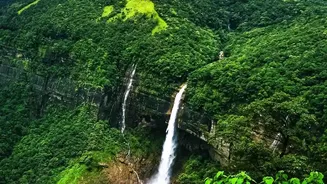
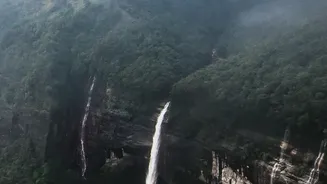
Before you even begin the climb to Mahabaleshwar, the area around Satara offers dramatic monsoon attractions. The star of the show is Thoseghar Waterfalls, located about 20 kilometres from the city. During the rains, from July to November, these falls are a roaring spectacle, with cascades plunging from heights of up to 200 metres. A well-maintained viewing platform provides a safe vantage point to witness their power. Nearby, the Chalkewadi Windmill Farms offer a surreal sight, with giant turbines rotating amidst the clouds. Another significant location is the Kaas Plateau, a UNESCO World Natural Heritage Site. While its famous wildflower bloom peaks post-monsoon around September, the plateau is a lush green expanse during the height of the rains, offering its own quiet charm. Check local conditions before visiting Kaas, as access can be regulated.
The Climb to Mahabaleshwar
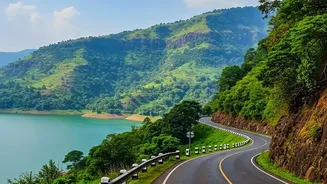
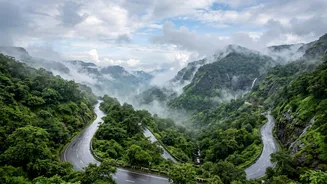
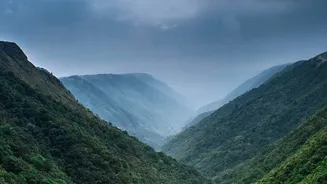
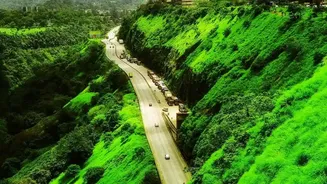
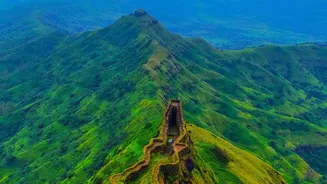
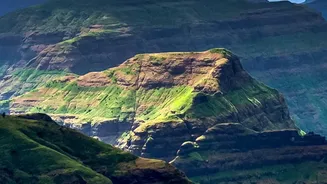
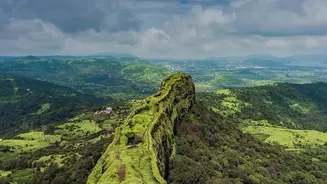
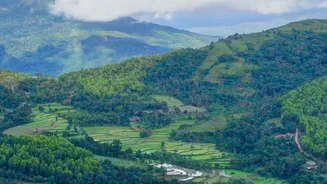
The drive from Satara towards Mahabaleshwar via the Wai-Panchgani route is a classic ghat road experience. As you ascend, the landscape transforms, with terraced farms giving way to dense forests. This route is famous for its scenic beauty, but demands cautious driving, especially in heavy rain. Panchgani, known for Table Land, Asia's second-longest volcanic plateau, is a worthy stop. Even if shrouded in mist, the plateau has an atmospheric quality unique to the monsoon. Further on, Mapro Garden is a popular family-friendly halt for its fresh strawberry-based products and food. The road from Panchgani to Mahabaleshwar is often enveloped in a thick fog, reducing visibility but creating a thrilling, almost ethereal, driving experience.
Experiencing Mahabaleshwar in the Mist
Mahabaleshwar in the monsoon is a different beast compared to its peak season persona. The focus shifts from ticking off a checklist of viewpoints to embracing the misty, moody ambience. Famous spots like Arthur's Seat, Elephant's Head Point, and Lodwick Point may offer only fleeting glimpses of the valley through breaks in the clouds. But the experience of standing at a viewpoint surrounded by a wall of white mist is its own form of magic. Venna Lake, though often quiet for boating, is beautiful when encircled by fog and greenery. The rain breathes new life into the ancient Mahabaleshwar Temple and Panchganga Temple, adding to their spiritual aura. The key is to have patience and enjoy the moments of clarity when the fog lifts to reveal the stunning green chasms below.
Essential Safety Tips for Monsoon Driving
Driving in the ghats during monsoon requires preparation and caution. Ensure your vehicle's tyres, brakes, and wipers are in excellent condition before you start. Roads can be slippery due to rain and moss, and visibility can drop to near-zero in seconds due to fog. It is highly advisable to avoid driving in the ghat sections after dark. Always check weather updates and be aware of potential landslides, which can cause road closures. Pack waterproof jackets and footwear with good grip, as paths to waterfalls and viewpoints become slick. Downloading offline maps is also a good idea, as mobile connectivity can be patchy in remote areas. The beauty of the monsoon is best enjoyed safely.