
Early September: A Minor Meteor Shower Under Ideal Skies
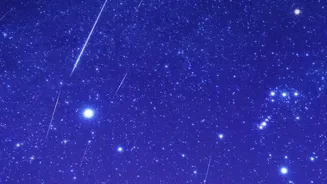
Kick off the month with the September Epsilon Perseid meteor shower. While not as famous as its August counterpart, this shower offers a respectable show, peaking around September 9. Active from September 5 to 21, the best viewing window will be in the pre-dawn
hours of the 9th. The timing is perfect this year, as the shower's peak coincides with the period just before the New Moon, meaning naturally dark, moonless skies will make it easier to spot these fleeting streaks of light. Expect to see up to eight meteors per hour emanating from the constellation Perseus in the Northern Hemisphere under ideal conditions. It’s a quiet and rewarding way to start the month’s celestial viewings.
September 12: New Moon and the Best Window for Deep Sky Viewing
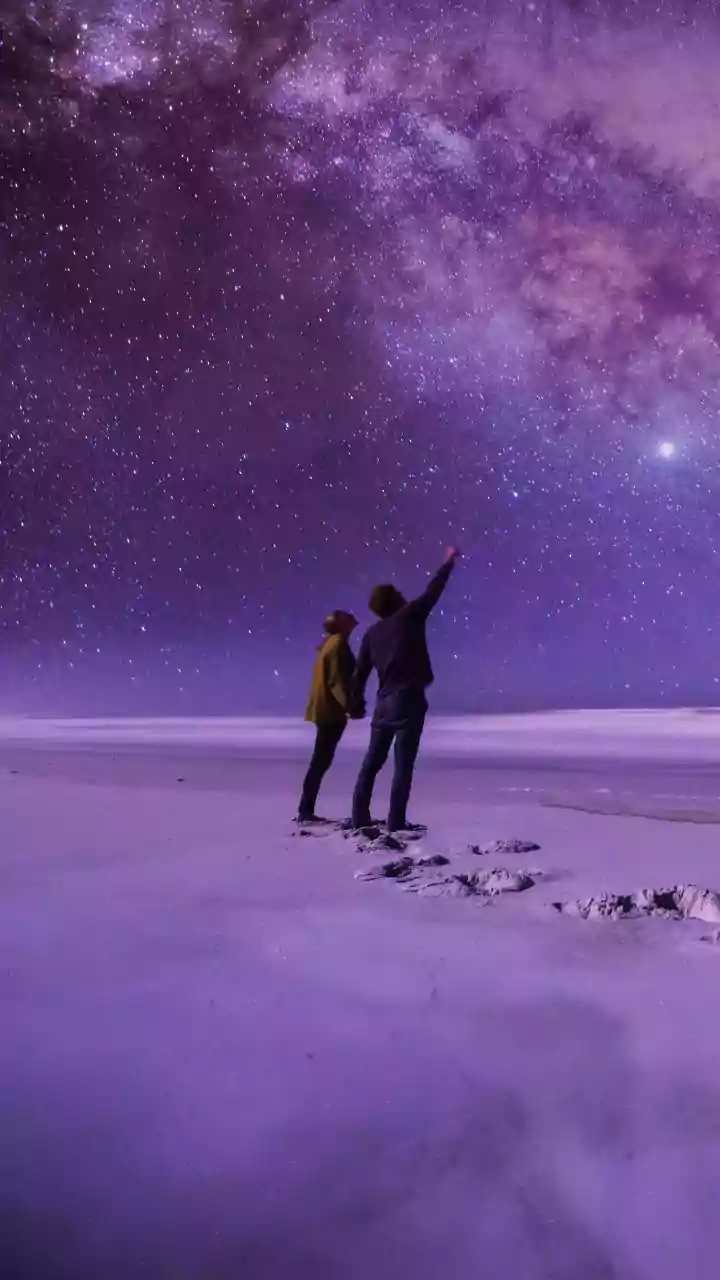
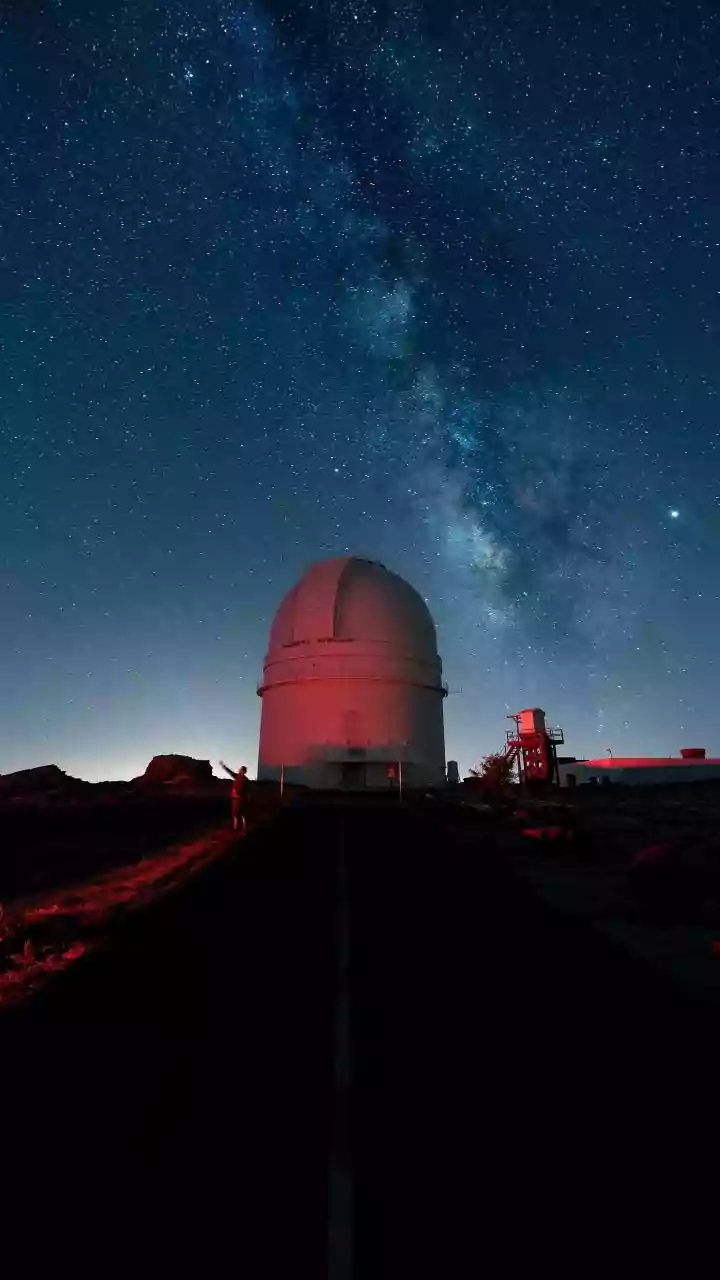
The New Moon on September 11-12 provides the darkest skies of the month, creating a perfect canvas for stargazing. This is an excellent opportunity to look for faint, deep-sky objects. For observers in the Northern Hemisphere, this period marks one of the last chances in 2026 to get a clear view of the Milky Way’s core before it sinks below the horizon until next spring. Take this opportunity to head to a location with minimal light pollution. Away from city lights, you can witness the majestic band of our galaxy arching overhead and perhaps even spot faint nebulae and distant galaxies with a pair of binoculars or a small telescope.
September 18-22: Venus Shines at Its Absolute Brightest
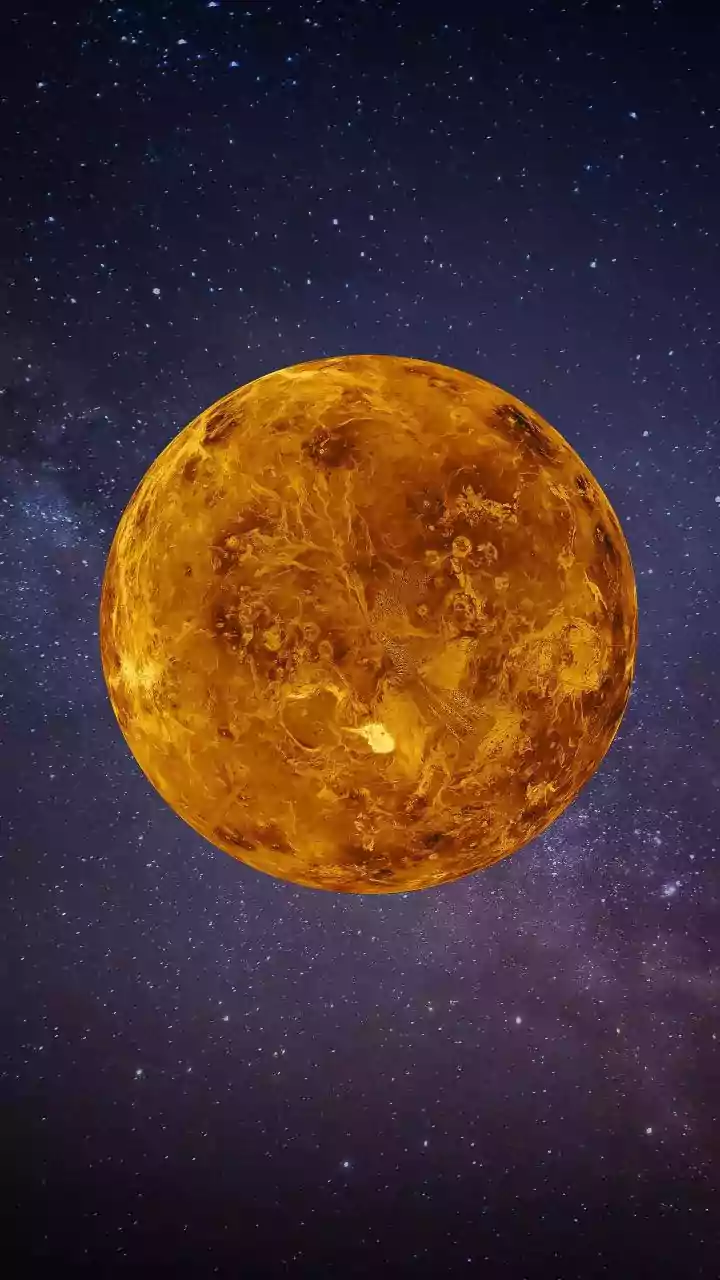
Keep your eyes on the western horizon just after sunset for a truly brilliant display from our planetary neighbour. Around September 18, Venus will reach its peak brightness for the year, shining at a dazzling magnitude of -4.8. To put that in perspective, it will be one of the most vivid points in the sky, easily visible even from brightly lit urban areas. Interestingly, through a telescope, Venus will appear not as a full disc but as a slender crescent. Its brilliance comes from its relative proximity to Earth during this phase of its orbit, a fascinating example of how planetary brightness is a combination of size, phase, and distance.
September 23: The Autumnal Equinox Arrives
At 00:06 UTC on September 23, the Sun will cross the celestial equator, moving from north to south. This event marks the autumnal equinox in the Northern Hemisphere, the official start of autumn. On this day, day and night are nearly equal in length across the globe. The equinox isn't just a calendar milestone; it's a direct observation of our planet's tilt and its journey around the Sun. Culturally, it has been a time of harvest festivals and reflection for centuries. It's also a great time to look for the elusive Zodiacal Light, a faint, pyramid-shaped glow in the pre-dawn eastern sky caused by sunlight scattering off dust in the solar system.
September 26: The Harvest Moon Meets Neptune at Opposition
September’s grand finale is a double feature. The Full Moon on September 26 is this year's Harvest Moon, the full moon occurring closest to the autumnal equinox. It will reach peak illumination in the afternoon for Indian observers, but the best time to watch is as it rises near the horizon around sunset, when it appears largest and most colourful. As a bonus, the distant planet Neptune reaches opposition on the very same day. This means Earth is directly between the sun and Neptune, placing the ice giant at its closest and brightest for the year. While you’ll need binoculars or a telescope to spot Neptune as a tiny blue dot in the constellation Pisces, it will be sharing the night sky with the brilliant Harvest Moon, a fittingly spectacular end to the month.