



As the festive glow of Diwali approaches, a delicious aroma fills the air in Mumbai and Pune. It's the scent of a tradition being lovingly revived, not just in family kitchens, but in bustling culinary workshops teaching the art of making faral.
The Rich Tradition of Diwali Faral
Diwali,
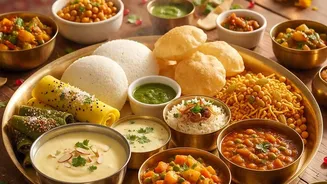
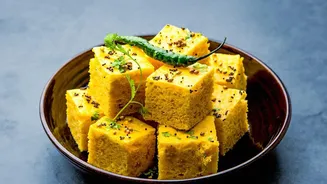
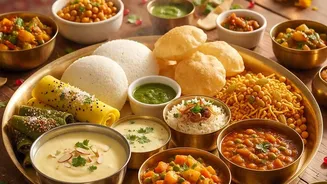
the festival of lights, is incomplete without 'faral' — a diverse assortment of sweet and savoury snacks that are central to the celebration, especially in Maharashtra. This tradition, dating back centuries, involves preparing items like crispy Chakli, sweet Karanji, diamond-shaped Shankarpali, and various types of Ladoos. Historically, the preparation of faral was a communal activity, where women in families and neighbourhoods would gather to cook, share stories, and bond. These snacks weren't just for household consumption; they were lovingly packed and exchanged with friends and neighbours, symbolizing shared joy and prosperity.
A Shift from Home Kitchens to Urban Workshops
In today's fast-paced urban life, the tradition of elaborate home-cooked faral has faced challenges. Nuclear families, demanding work schedules, and a lack of time have led many to opt for convenient, store-bought alternatives. However, a growing desire to reconnect with cultural roots, coupled with a preference for homemade hygiene and taste, has sparked a new trend. Culinary workshops in Mumbai and Pune are filling this gap, offering a structured and accessible way for enthusiasts to learn these age-old recipes. These classes cater to everyone, from beginners with little kitchen experience to those looking to perfect their skills.
What's on the Workshop Menu?
These workshops offer hands-on experience in making a wide variety of faral. Participants learn the nuances of preparing classic items like the perfectly spiced, spiral-shaped Chakli, flaky Karanji pastries with sweet coconut filling, and melt-in-your-mouth Besan Ladoos. Expert home chefs and culinary professionals guide attendees through traditional techniques, from getting the dough consistency right to achieving the perfect fry. Some classes also introduce modern or healthier twists on classic recipes, such as baked versions of fried snacks or using multigrain flours and natural sweeteners like jaggery.
More Than Just a Cooking Class
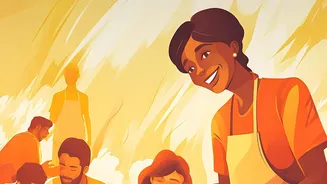
The appeal of these workshops extends beyond just learning recipes. They have become vibrant social hubs, fostering a sense of community among people with a shared passion for food and culture. Attendees, ranging from young professionals to homemakers, come together not only to cook but also to share memories and create new festive traditions. The experience is often interactive and celebratory, with some workshops even incorporating music and festive themes. For many, it’s a way to reclaim a part of their heritage that felt lost, turning the act of cooking into a joyful, shared experience rather than a solitary chore.
The New Culinary Gurus of Mumbai and Pune
This revival is being led by a wave of home chefs and culinary entrepreneurs who have turned their passion into a profession. Using social media and online platforms, these experts offer a range of classes, from in person group sessions to online tutorials that people can join from the comfort of their homes. Names like Sangeeta's Cooking Classes and Deepika Ghare's Cookery Studio in Mumbai, and Digital Craft in Pune, have become popular destinations for aspiring faral makers. These chefs not only provide expert guidance but also share cherished family recipes, ensuring that the authentic taste and spirit of Diwali faral are passed on to a new generation.