






Imagine your name hurtling through the cosmos, destined for a world with methane seas and an orange sky. NASA is making it possible with its Dragonfly mission to Titan, offering a chance to be part of an epic journey of discovery.
A Journey to an Alien World
You may never personally
soar through the hazy skies of Saturn's largest moon, but your name can. NASA has officially launched its 'Journey to Titan' campaign, inviting the public to send their names on a historic mission to explore a world that is both strangely familiar and deeply alien. Scheduled to launch in 2028, the Dragonfly mission will send a revolutionary rotorcraft to Titan, arriving in 2034. This moon is a scientific marvel; it has a dense atmosphere, weather, seasons, and liquid on its surface in the form of rivers, lakes, and seas of methane and ethane. Its landscape of water-ice mountains and dunes of organic sand makes it one of the most compelling destinations in our solar system to search for the chemical building blocks of life.
Meet the Quadcopter Explorer
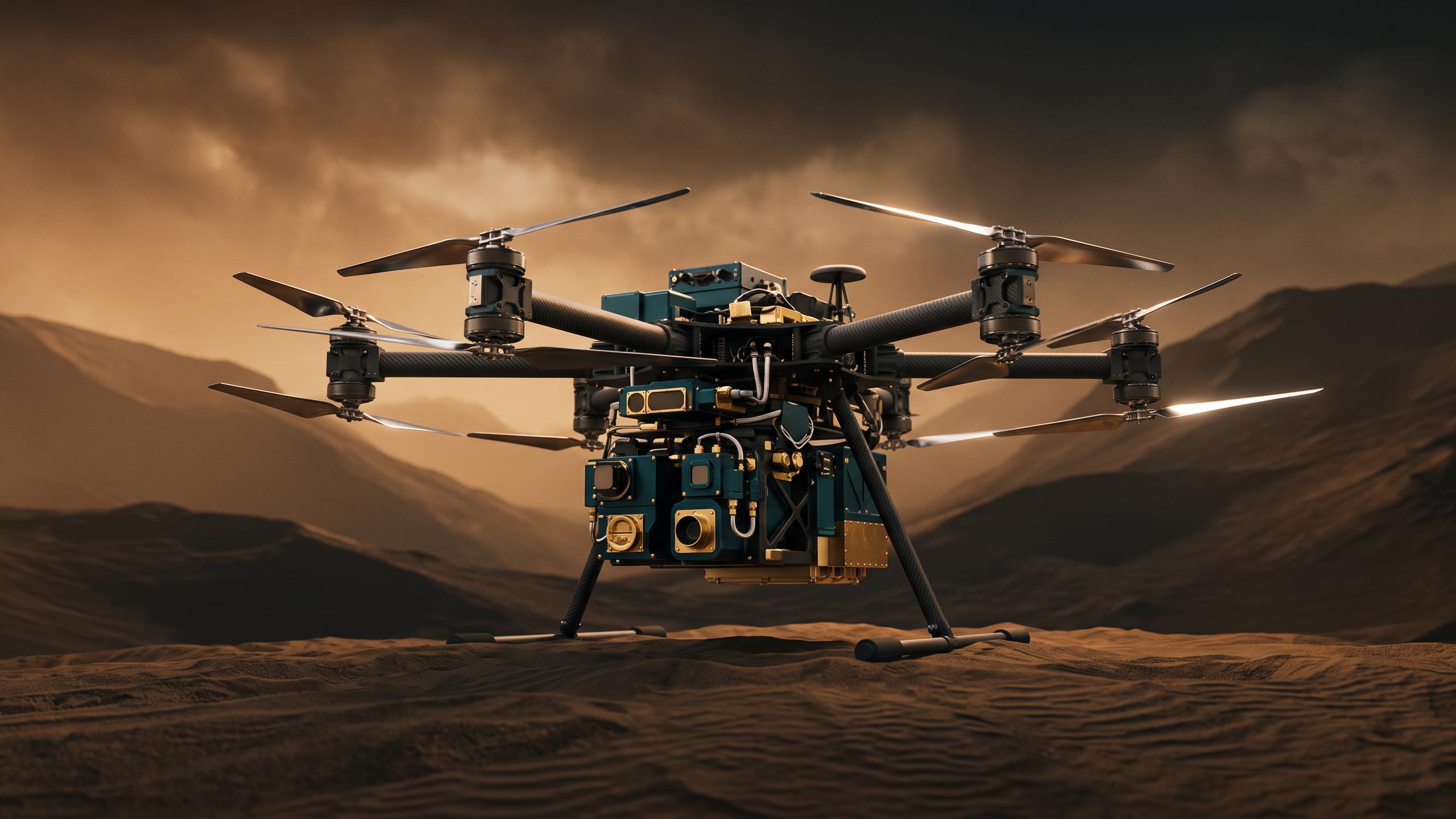
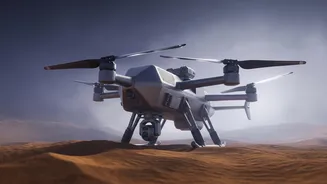
Dragonfly is not a rover, but a car-sized, nuclear-powered drone. With eight rotors, this dual-quadcopter is designed to take advantage of Titan's thick atmosphere and low gravity, which are four times denser and one-seventh as strong as Earth's, respectively. This design will allow it to be the first-ever science mission to fly on another world, traveling miles from one landing site to the next. During its planned 3.3-year mission, Dragonfly will make flights every one to two Titan days (a Titan day, or 'Tsol', lasts about 16 Earth days), stopping to sample and analyze materials from dozens of diverse locations, including dune fields and the site of an ancient impact crater.
The Search for Life's Ingredients
The primary goal of the Dragonfly mission is to study prebiotic chemistry — the complex chemical processes that occurred on Earth before life emerged. Titan is a natural laboratory for this kind of science. Its surface is rich with complex organic compounds, and scientists want to investigate how far this chemistry has progressed in an environment that provides the basic ingredients for life. The spacecraft is equipped with a suite of instruments to drill for samples, identify chemical compositions, and search for chemical biosignatures that could indicate whether Titan is, or ever was, a habitable world. It will give us an unprecedented look at the recipe for life, both on Earth and potentially elsewhere in the cosmos.
How to Send Your Name to Titan
Becoming a part of this interstellar adventure is simple. NASA has opened the name submission process to the public, and anyone can participate by visiting the official campaign website. Once you submit your name, it will be etched onto a microchip that will be attached to the Dragonfly rotorcraft. As a souvenir of your participation, you will also receive a personalized digital boarding pass. The deadline to secure your spot on the passenger list is January 15, 2027, at 11:59 p.m. EST. It’s a straightforward way to connect with a mission that promises to be one of the most exciting of our lifetime.
A Tradition of Cosmic Connection
This 'send your name' campaign continues a beloved NASA tradition of connecting the public with its missions of exploration. Similar initiatives for missions like the Perseverance rover on Mars, which carried over 10 million names, and the Europa Clipper spacecraft have given people around the world a personal stake in the voyage. Dragonfly could become the most distant destination for these symbolic passengers on a landing mission. For Nicky Fox, associate administrator of NASA's Science Mission Directorate, it’s about bringing humanity along for the ride. 'We are excited to bring humanity along for the journey of a lifetime,' she said, 'and we invite everyone to send their names on this small, but mighty rotorcraft'.