
Understanding the Waterways Vision
India is undertaking an ambitious project to develop its extensive network of rivers into a viable, eco-friendly mode of transport for both cargo and passengers. The National Waterways Act, 2016, identified 111 rivers and creeks across the country to be
developed as National Waterways (NWs). Overseen by the Inland Waterways Authority of India (IWAI), the goal is to reduce logistics costs, decongest road and rail networks, and boost economic activity and tourism. As of early 2026, 32 of these waterways are operational, with plans to activate more in the coming years. This initiative is not just about moving goods; it's about unlocking the vast tourism potential of India's rivers, creating new circuits for luxury cruises, passenger ferries, and local sightseeing. The growth has been significant, expanding from just a handful of cruise vessels a decade ago to dozens operating across multiple waterways today.
NW-1: The Historic Ganga River
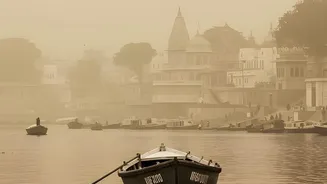
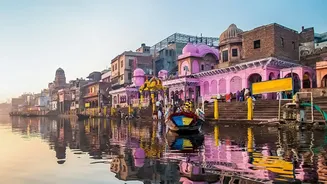
National Waterway 1 is the flagship project, covering the Ganga-Bhagirathi-Hooghly river system. It stretches over 1,620 km from Prayagraj in Uttar Pradesh to Haldia in West Bengal, passing through major cities like Varanasi, Patna, and Kolkata. This route has become a hub for luxury river cruises, most notably the MV Ganga Vilas, which undertook the world's longest river cruise from Varanasi to Dibrugarh. Several operators now offer cruises of varying durations, allowing travellers to explore riverside heritage sites, temples, and bustling ghats. Beyond long-duration cruises, the infrastructure includes multi-modal terminals that integrate river transport with road and rail, supporting both tourism and the movement of cargo. New, shorter cruise options are also emerging, designed to be added to land-based tours.
NW-2: Lifeline of the Northeast
The mighty Brahmaputra River in Assam forms National Waterway 2, an 891 km stretch from the Bangladesh border near Dhubri to Sadiya. This waterway is crucial for connectivity in the Northeast and is a spectacular setting for wildlife and cultural tourism. Cruise operators ply the route between Guwahati and Neamati, often including jeep safaris into the world-renowned Kaziranga National Park, famous for its one-horned rhinoceroses. Travellers can visit Majuli, one of the world's largest river islands, and explore the unique culture of Assamese riverside villages. The government is investing heavily in developing terminals and ship repair facilities along NW-2 to further enhance its capacity for both tourism and cargo. International cruise lines are also showing increased interest, with new vessels planned for launch in the coming years, signalling a bright future for tourism on the Brahmaputra.
NW-3: The Kerala Backwater Canals
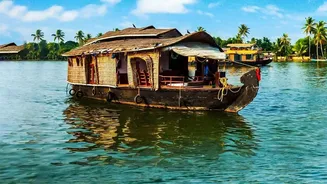
National Waterway 3 is the West Coast Canal system in Kerala, a 205 km route running from Kollam to Kottapuram. Declared a National Waterway in 1993, it was the country's first to have 24-hour navigation facilities. This route is synonymous with Kerala's famous backwater tourism. While luxurious houseboats have long been a feature here, the waterway also supports regular passenger ferry services connecting towns like Alappuzha, Kottayam, and Kochi. The Kerala State Water Transport Department (KSWTD) operates a popular day-long ferry service between Kollam and Alappuzha, offering an affordable way to experience the scenic canals, lakes, and village life. The network here is extensive, with interconnected waterways like NW-8 and NW-9 also supporting passenger and tourist boat movements, making it a highly integrated system for local travel.
Emerging Routes and Future Potential
While NW-1, 2, and 3 are the most established for tourism, development is underway on several other fronts. In Odisha, NW-5 on the Brahmani river is being developed to connect mineral-rich regions with coastal ports. In Gujarat, a river cruise is operational on the Sabarmati River (NW-87) in Ahmedabad. Even Delhi is set to see its first cruise service on a stretch of the Yamuna River. The government has identified over 50 new river cruise circuits to be developed by 2027. Challenges like maintaining fairway depth, ensuring last-mile connectivity, and raising awareness remain. However, with strong policy support and growing private investment, India's waterways are poised to become a mainstream option for travellers seeking a different perspective on the country.