


Houston, We Have a Gut Problem
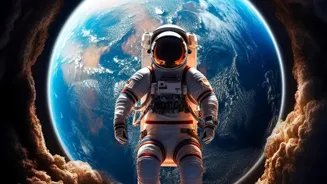
Beyond the awe-inspiring views, life in space can be physically uncomfortable. Astronauts commonly report a range of gastrointestinal issues, including bloating, indigestion, and constipation. While these might seem like minor complaints, they point to
a deeper issue. On Earth, gravity is an unsung hero of digestion, helping to keep things moving. In space, the body's digestive muscles, known as peristalsis, must work alone. This slowdown is more than just an inconvenience; it can affect how efficiently the body absorbs vital nutrients from food, a critical factor on a long journey far from home.
The Microgravity Slowdown
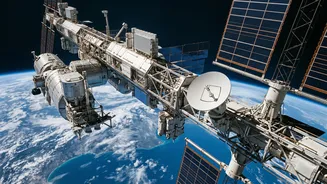
Recent research has shed new light on why space travel leads to constipation. A study of astronauts on the International Space Station found that microgravity appears to slow down how quickly food moves through the intestines. This delay has a significant knock-on effect on the gut microbiome, the trillions of bacteria living in our digestive tract. Normally, these microbes feast on carbohydrates and fiber. But when digestion slows, they run out of their preferred food source and switch to fermenting protein instead. This change in bacterial behavior is detectable in astronauts' blood within weeks of arriving in space and is believed to be a primary driver of their digestive troubles.
More Than Just an Upset Stomach
This shift in the gut microbiome isn't just about comfort. The byproducts of protein fermentation have been linked to more serious health concerns, including inflammation and an increased risk of chronic conditions. Furthermore, space travel exposes astronauts to a cocktail of unique stressors that can harm the gut. Beyond microgravity, cosmic radiation can damage the intestinal barrier, leading to a condition sometimes called “leaky gut.” This can allow harmful substances to enter the bloodstream and disrupt the delicate balance of gut flora, potentially impacting everything from the immune system to mental health. Studies in mice have shown that even low doses of space-relevant radiation can cause lasting changes to the gut microbiome and intestinal function.
Solving Digestion for Deep Space
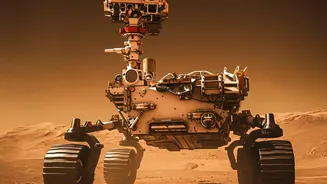
Before we can send humans on a seven-to-nine-month journey to Mars, scientists must figure out how to protect the astronaut gut. The solutions will likely be multi-faceted. One promising avenue is diet. Researchers suggest that a diet rich in high-fiber foods and “slow-fermented carbohydrates”—like vegetables, nuts, and lentils—could provide a more sustained food source for gut microbes, preventing them from switching to protein fermentation. This could help maintain normal gut motility. Additionally, supplements like prebiotics could be used to support a healthy microbial balance. NASA and other agencies are also studying how to grow fresh, nutrient-rich foods in space, which could provide essential vitamins and minerals that are harder to preserve in pre-packaged meals.