







A Taste of Authentic Flavour
The most celebrated benefit of clay pot cooking is the remarkable difference in taste. Unlike metal pans that heat up quickly and can create hot spots, clay distributes heat gently and evenly. This slow, consistent cooking process allows ingredients to
simmer in their own juices, preserving moisture and tenderising food perfectly. The porous nature of clay lets steam circulate, which helps in retaining the natural flavour and aroma of spices and vegetables. The result is a dish with a uniquely deep, earthy flavour—that sought-after ‘sondhi khushboo’—that is difficult to achieve with modern cookware.
The Health-Conscious Choice
For a generation focused on wellness, the health benefits of earthenware are a major draw. Clay pots are naturally alkaline, which helps in neutralising the pH balance of acidic foods like tomatoes, making them easier to digest. Furthermore, the slow cooking process helps retain more nutrients like calcium, iron, and magnesium, which might be lost with high-heat cooking methods. A significant advantage is that cooking in clay requires less oil. The pot's ability to retain moisture means food doesn't dry out or stick easily, reducing the need for added fats and making meals naturally lighter.
Sustainability Meets Style
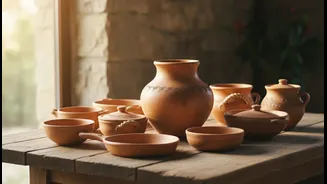
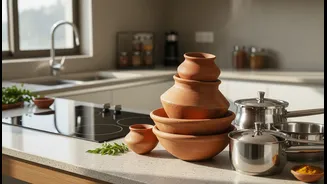
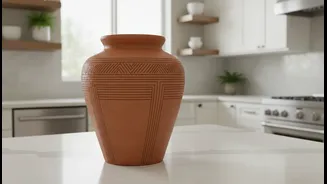
As awareness about environmental impact grows, many are seeking sustainable alternatives in their homes. Clay cookware is an eco-friendly champion. Made from natural earth, these pots are completely biodegradable and free from synthetic chemicals like PFOA and PTFE often found in non-stick coatings. This shift away from mass-produced, disposable items towards durable, natural materials aligns with a desire for a more conscious lifestyle. Beyond their green credentials, clay pots bring a rustic, artisanal charm to the kitchen. Their earthy aesthetic complements modern minimalist and traditional decor alike, making them a statement piece for both cooking and serving.
Connecting with Tradition
Using clay cookware is also a way for young Indians to reconnect with their culinary heritage. For centuries, 'mitti ke bartan' were central to Indian kitchens, used for everything from simmering dals to setting curd and storing water. Adopting this practice is more than just a cooking trend; it’s an embrace of the slow food movement and a nod to the time-tested wisdom of previous generations. In a fast-paced world, the ritual of cooking in a clay pot encourages a more mindful and patient approach to preparing meals, turning daily cooking into a more grounded and enjoyable experience.
Getting Started with Earthenware
Making the switch to clay cookware is simple, but it requires a little care. Before the first use, a new clay pot should be seasoned by soaking it in water for several hours and then letting it air dry completely. It’s best to always cook on a low to medium flame and avoid sudden temperature changes to prevent cracking. When it comes to cleaning, steer clear of harsh detergents and metal scrubbers; warm water and a soft brush are usually sufficient. With proper care, a good clay pot is a long-lasting investment that rewards you with healthier and more flavourful meals for years to come.