



The Superfood Hiding in Plain Sight
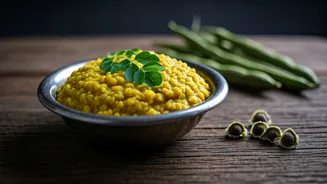
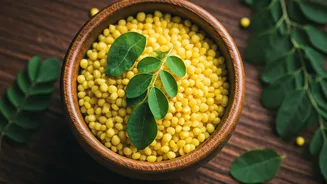
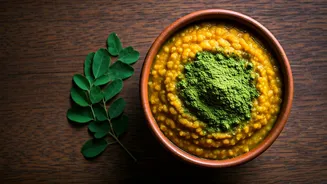
Chances are you’re already familiar with moringa, even if you don't recognise the name. Known as the 'drumstick tree' or 'shevga,' its long green pods are a beloved ingredient in sambar and other regional dishes. But the true powerhouse of this plant
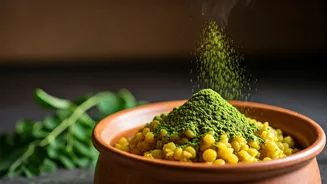
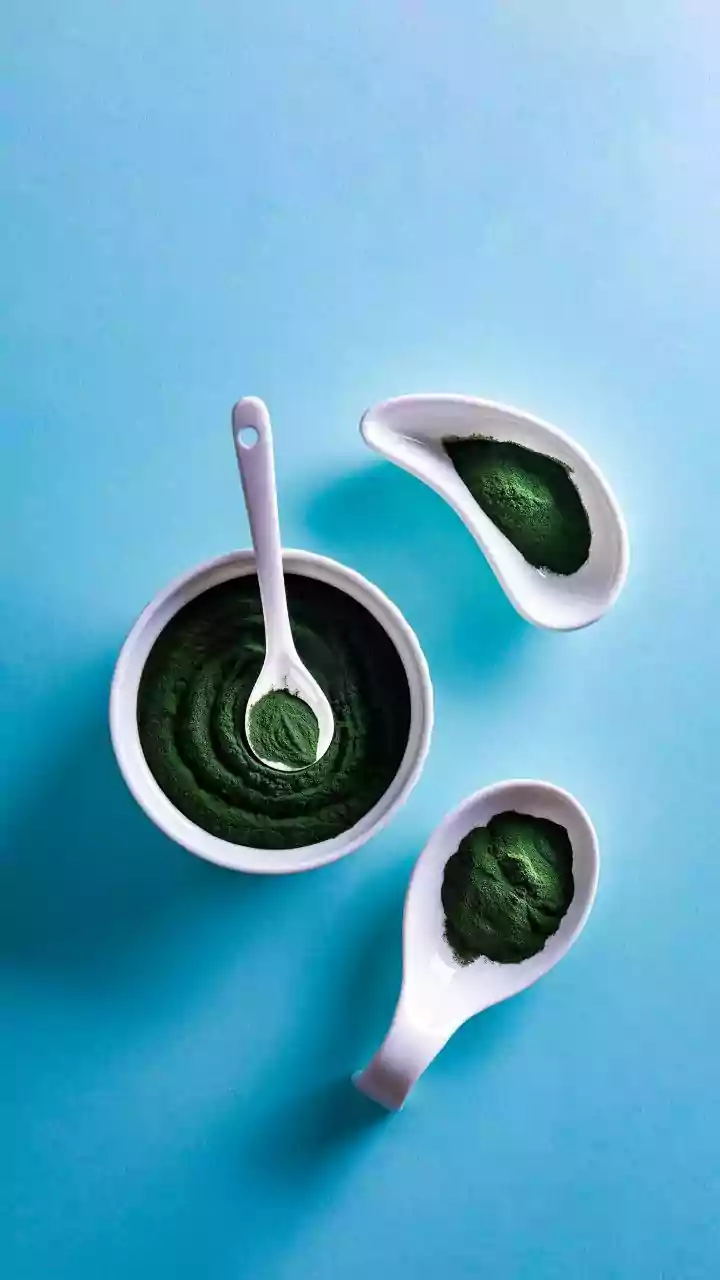
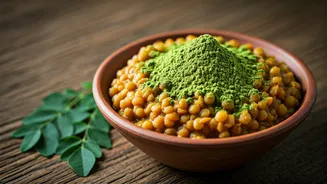
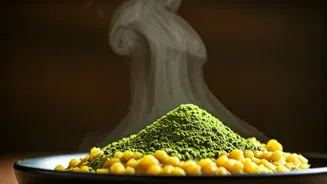
is its leaves. When dried and ground into a fine, bright green powder, moringa leaves become a concentrated source of nutrients that has been used in traditional medicine for centuries. Hailed globally as a 'miracle tree,' moringa is now one of the most sought-after superfoods, and for good reason. It offers an incredibly simple way to pack a nutritional punch into your everyday meals.
A Pinch of Potent Nutrition
So, what makes this green powder so special? A small amount of moringa is surprisingly dense with vitamins and minerals. It's exceptionally rich in Vitamin C, which is crucial for a strong immune system, and Vitamin A, essential for good vision and skin health. It is also a fantastic plant-based source of iron, which helps combat fatigue, and calcium, vital for bone health. Furthermore, moringa contains protein, potassium, and a host of antioxidants that help protect your body's cells from damage. Unlike many synthetic supplements, this is a whole-food source, meaning your body can often absorb the nutrients more effectively. Adding just a small spoonful to your food is like giving your body a multi-vitamin straight from nature.
Why Dal Is The Perfect Partner
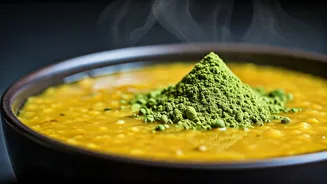
You could add moringa to a smoothie or sprinkle it on a salad, but adding it to dal is a particularly brilliant move. Firstly, dal is a daily habit for many, making it easy to incorporate moringa into your routine consistently. Secondly, the robust, earthy flavours of cooked lentils and spices are perfect for masking moringa's slightly bitter, spinach-like taste. While the powder is not overpowering, its distinct flavour can be noticeable on its own. When stirred into a flavourful tadka dal or a creamy dal makhani, the moringa powder simply dissolves, blending in seamlessly. Your dal becomes a silent carrier for a major health boost, without any fuss or dramatic change to a cherished recipe.
The Right Way to Add Moringa
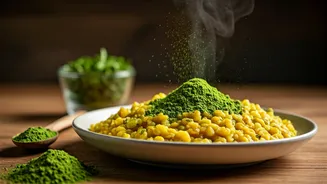
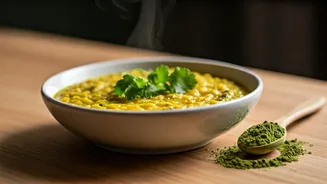
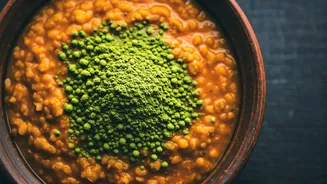
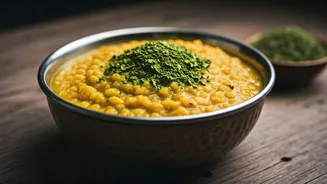
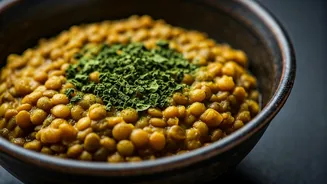
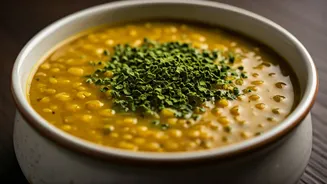
To get the maximum benefit without altering the taste or colour of your dal too much, timing and quantity are key. The best practice is to add the moringa powder at the very end of the cooking process. High heat can degrade some of its delicate nutrients, particularly Vitamin C. So, once your dal is cooked and you've added your tadka, simply turn off the heat. Stir in about half to one teaspoon of moringa powder per serving. Mix it well until it dissolves completely. It will lend a slightly deeper, earthier green hue to your dal, but the flavour will be negligible. It works beautifully with all kinds of dal, from the simple toor and masoor dals to heartier chana or urad dals.
A Gentle Word of Caution
While moringa is a natural and generally safe food, moderation is important, as with any potent ingredient. Starting with a small amount—about half a teaspoon per person—is a good idea to see how your body responds. Most experts recommend not exceeding one or two tablespoons per day. People who are pregnant, breastfeeding, or on medications for thyroid issues, diabetes, or high blood pressure should consult their doctor before adding moringa to their diet regularly. It’s a powerful plant, so it's always best to be informed and ensure it's the right choice for your specific health situation.