



The Kings of the Solar System
As we move into the post-monsoon season, the gas giants take centre stage. Saturn, the ringed jewel of our solar system, will be a major target for skywatchers. It reaches opposition on October 4, 2026, meaning it will be at its brightest, rising in the east
as the sun sets in the west and remaining visible all night. This makes September and October prime months for observing its famous rings, which are visible even with a small telescope. Not to be outdone, Jupiter and Mars are preparing for a close conjunction on the night of November 15-16, 2026. The pair will rise around midnight in the eastern sky, with brilliant white Jupiter appearing next to the distinctly reddish Mars in the constellation Leo. Both will be easily visible to the naked eye.
The River of Stars: The Milky Way
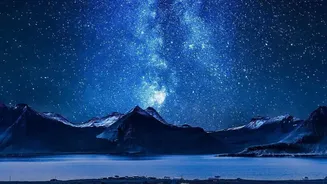
While the monsoon clouds can be a challenge, breaks in the weather and the clearer skies of September offer a fantastic window to see our own galaxy, the Milky Way. Its bright, dense core, located in the direction of the constellations Sagittarius and Scorpius, is best viewed from a location with very low light pollution. For observers in India, the Milky Way core is visible from late February to early October, with peak visibility from June to August, but clear post-monsoon nights can still provide a breathtaking view. To find it, look south for the teapot shape of Sagittarius and the curved hook of Scorpius; the Milky Way will appear as a faint, glowing cloud arching across the sky.
The Summer Triangle Hangs On
Though it's a hallmark of the summer sky, the famous 'Summer Triangle' asterism remains high and bright in the evenings after the Perseids. This giant triangle is not a constellation itself but is formed by three brilliant stars from three different constellations: Vega (in Lyra the Harp), Deneb (in Cygnus the Swan), and Altair (in Aquila the Eagle). These stars are so bright that they can be spotted even from light-polluted urban areas. As you look overhead in the evening, this trio will be one of the first patterns to emerge from the twilight, serving as an easy and beautiful landmark for navigating the night sky.
Upcoming Meteor Showers
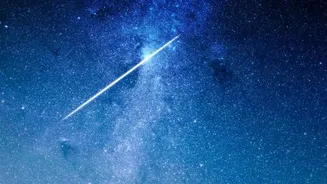
The Perseids might be the most famous, but they are not the last meteor shower of the year. Look forward to the Draconid and Orionid showers in October. The Orionids, peaking around October 21, are caused by debris from Halley's Comet. Later in the year, the Leonid meteor shower peaks on November 16-17. While a partially full moon will reduce visibility, the Leonids are known for producing exceptionally fast and bright meteors. The grand finale, however, is the Geminid meteor shower on December 13-14. Considered the most reliable and active shower for Indian observers, the Geminids can produce up to 120 multi-coloured meteors per hour under dark skies, and viewing conditions in 2026 are expected to be fantastic.
Your Stargazer's Toolkit
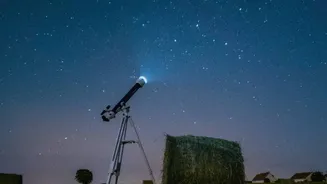
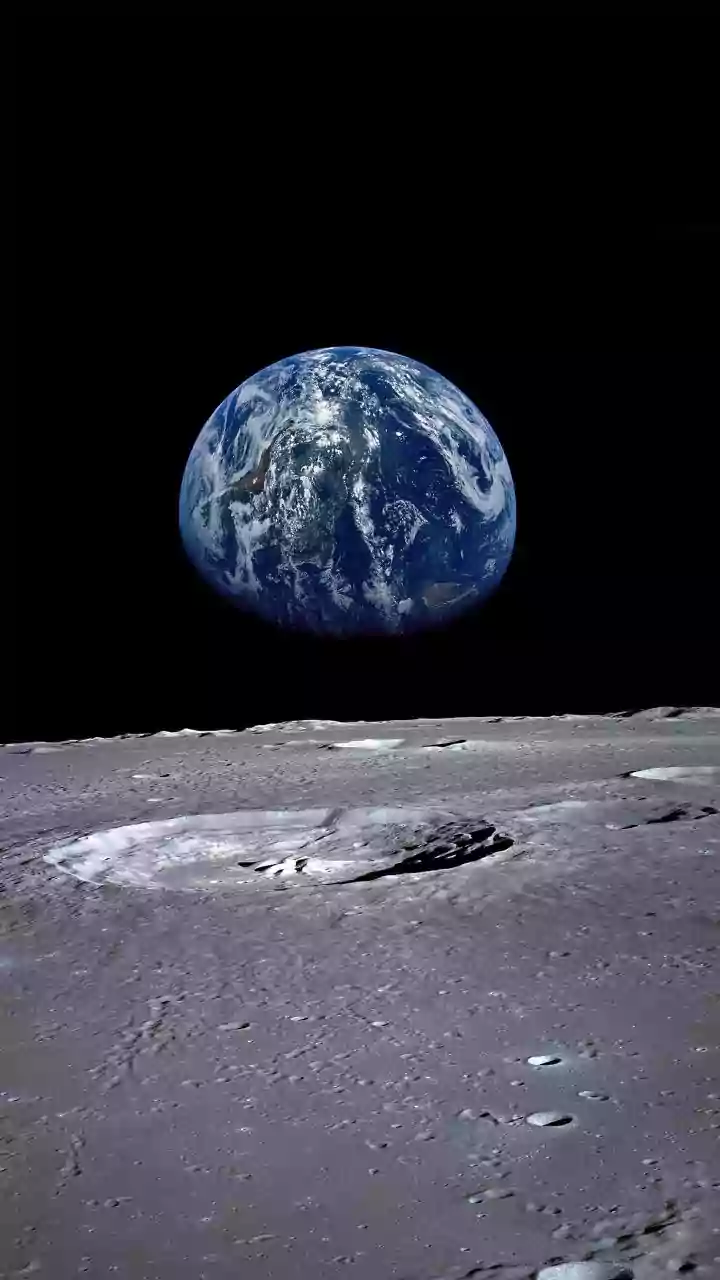
You don't need expensive equipment to enjoy the night sky. The best tool is your own eyes, once they've had 20-30 minutes to adjust to the darkness. A simple pair of binoculars can dramatically enhance your view, revealing the craters of the Moon, the moons of Jupiter, and the dense star fields of the Milky Way. For navigating the sky, smartphone apps can identify planets, stars, and constellations in real time. The biggest challenge in India is often light pollution and weather. To see the fainter objects, it's essential to get away from city lights. The post-monsoon months of September through November generally offer the clearest skies across much of the country. High-altitude regions like Ladakh and Spiti Valley, or desert areas like the Rann of Kutch and Jaisalmer, offer some of the darkest skies in India.