





Why Humidity is a Hidden Danger
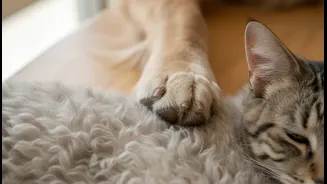
We often focus on temperature, but high humidity is the bigger enemy for our pets. Unlike humans who sweat to cool down, dogs primarily cool themselves by panting. Cats use panting to a lesser extent and also rely on grooming and the sweat glands in their
paws. When the air is saturated with moisture, the evaporation process that makes panting effective slows down dramatically. This means your pet can struggle to lower their body temperature even in a room that doesn't feel excessively hot to you, turning your home into a risk zone during monsoon season or in coastal cities.
Spotting the Subtle Signs of Distress
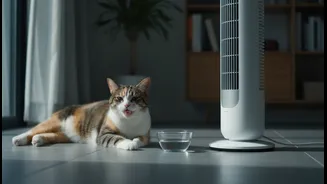
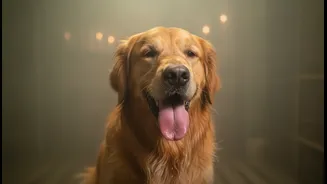
Overheating isn't always dramatic. Catching the early signs is crucial. For both dogs and cats, look for restlessness, excessive drooling, and gums that are brighter red than usual. As the situation worsens, you might notice lethargy, weakness, confusion, stumbling, vomiting, or diarrhea. Cats are masters at hiding illness, so any open-mouthed breathing is a red flag and a serious sign of distress. Don't wait for a collapse; early signs warrant immediate action.
Low-Cost Cooling Hacks for Your Home
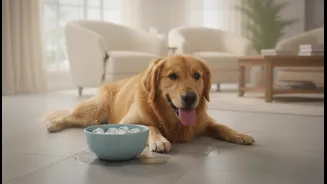
You don't need to blast the AC 24/7. Provide access to cool surfaces like tiled or marble floors, as these help draw heat away from their bodies. A simple but effective trick is to place damp towels for your pet to lie on. Ensure multiple bowls of fresh, cool water are always available; adding a few ice cubes can make it more appealing. Frozen treats, like pet-safe broth frozen in ice trays or a frozen Kong toy, provide both hydration and a cooling distraction. Finally, improve air circulation with fans—even if not pointed directly at the pet, they help with overall cooling.
Preparing for Power Cuts and Emergencies
In a country where power cuts can be common, having a plan is essential. Keep a stock of ice packs or frozen water bottles that you can wrap in a towel for your pet to lie near. Battery-operated fans can be a lifesaver. Identify a cool room in your house, perhaps one that is north-facing or has thick curtains to block the sun, and make it your pet's designated safe zone. Know the location and number of your nearest 24/7 veterinary clinic. If you suspect heatstroke, cool your pet with cool (not ice-cold) water and head to the vet immediately. Experts advise cooling the pet first before transporting them to the vet.
What to Do in a Heatstroke Emergency
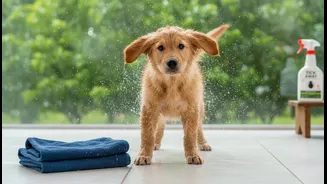
If you see advanced signs like collapse, stumbling, or seizures, you must act fast. Move your pet to the coolest part of your home. Begin cooling them immediately by pouring cool water over their body, focusing on the paws, neck, and stomach. Do not use ice or ice-cold water, as this can cause blood vessels to constrict and trap heat, making the situation worse. Use a fan to increase evaporative cooling. Even if your pet seems to recover, it's critical to get them to a veterinarian. Internal organ damage can occur without obvious outward signs.