






The Calorie-Burning Question
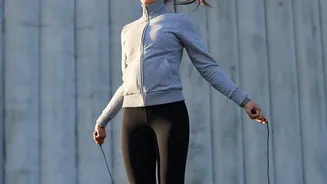
When it comes to burning calories, intensity matters. Skipping is a vigorous, high-intensity activity. On average, you can burn around 200 calories in a 10-minute skipping session. In contrast, a brisk walk is a moderate-intensity exercise. To burn a similar
number of calories, you would likely need to walk for 30 to 40 minutes. Minute for minute, skipping is the more efficient calorie-burner, with some estimates suggesting it burns 1.7 to 2.5 times more than a brisk walk. However, the key to weight management is consistency and creating a calorie deficit over time. While skipping burns more calories faster, walking is an activity most people can sustain for a much longer duration, which can close the calorie-burn gap over the course of a week.
Impact on Your Joints
This is a crucial point of difference. Walking is a low-impact exercise, meaning one foot is always on the ground, which is gentler on your joints. This makes it an excellent choice for beginners, individuals carrying extra weight, or those with pre-existing joint issues like knee or ankle pain. Skipping, on the other hand, is a high-impact exercise involving constant jumping. While this can be fantastic for building bone density and preventing osteoporosis, it also places more stress on the knees, ankles, and hips. Proper form is key to mitigating risk: jump low to the ground, land softly on the balls of your feet, and keep your knees slightly bent. If you have joint concerns, walking is the safer bet, but if your joints are healthy, the impact from skipping can make your bones stronger.
Skill, Coordination, and Brain Health
Walking is a fundamental human movement that requires no special skill. Skipping, as many of us remember from childhood, requires a blend of rhythm, timing, and coordination. It takes practice to get the hand-eye-foot coordination right. But this learning curve is also a benefit. Improving coordination enhances your balance and motor skills. Moreover, the focus required for skipping acts as a workout for your brain, potentially improving concentration and cognitive function. So, while walking can be a meditative and relaxing activity, skipping challenges your body and mind in a more dynamic way.
Muscle Engagement and Toning
Both activities primarily work your lower body, but skipping offers a more comprehensive, full-body workout. A good skipping session engages your calves, quads, and glutes, while also activating your core for stability and your shoulders and arms to turn the rope. It's a fantastic way to tone your entire body. Walking is also great for your leg muscles and glutes, especially if you incorporate hills or walk at a brisk pace. You can increase upper body engagement by pumping your arms, but it doesn't naturally involve the upper body to the same degree as skipping.
The Verdict: Which is Right for You?
The 'better' exercise is the one that aligns with your goals, fitness level, and preferences. You don't have to choose just one; they can complement each other perfectly. Choose walking if: - You are new to exercise or have significant weight to lose. - You have joint pain, arthritis, or are recovering from an injury. - You prefer a lower-intensity, longer-duration workout that can also be social or meditative. - You want an activity you can do anywhere, anytime, with no equipment besides a good pair of shoes. Choose skipping if: - You are short on time and want a high-intensity, efficient calorie-burning workout. - You want to improve your coordination, balance, agility, and bone density. - Your joints are healthy and can handle high-impact exercise. - You enjoy a fun, challenging workout that makes you feel like a kid again.