


More Than Just a Kitchen Myth
The idea that certain foods taste better as leftovers isn't just a happy accident; it's a culinary principle known as maturation or flavour melding. When a complex, layered dish like an Indian curry rests, a series of slow, continuous chemical reactions
take place long after the stove is turned off. These reactions transform the dish from a collection of individual ingredients into a single, cohesive flavour experience. Instead of tasting the sharpness of ginger or the tang of tomato separately, you perceive a more rounded, harmonious profile. This process doesn't make the dish milder, but rather more balanced and complex.
The Science of 'Sitting'
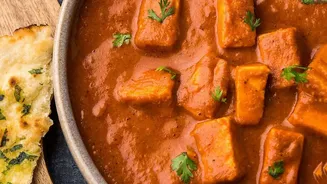
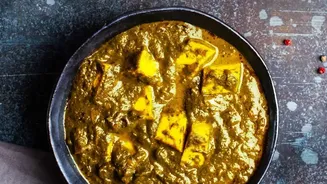
Several scientific processes are at play during this resting period. Aromatic compounds from spices, many of which are fat-soluble, continue to slowly release and distribute themselves throughout the fats and oils in the gravy. This process, sometimes called flavour equilibration, ensures every spoonful is infused with taste. At the same time, the main ingredients like meat, paneer, or vegetables, which may have been simply coated in sauce when fresh, begin to absorb the surrounding liquid through osmosis. This draws the flavour deep into the centre of each piece. Furthermore, ingredients like lentils, potatoes, and onions release starches, while meat on the bone releases gelatin, both of which thicken the gravy, giving it a richer, more velvety texture.
Dishes That Demand Patience
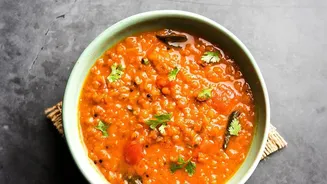
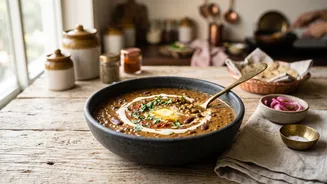
While not all dishes benefit from a long rest, many Indian classics are transformed by it. Rich, slow-cooked meat curries like Rogan Josh or Kosha Mangsho become more tender as the proteins relax and absorb the spicy gravy. Legume-based dishes are perhaps the best examples. In dal makhani and chole, the lentils and chickpeas absorb the surrounding masalas, becoming intensely flavourful from the inside out. The same is true for rajma, where the kidney beans soak up the thick, spicy gravy, resulting in a deeper flavour profile. Even vegetable dishes like baingan bharta (smoked eggplant) and pav bhaji see their flavours meld and deepen, creating a more robust and satisfying meal the following day.
How to Do It Right
To safely and effectively mature your dishes, proper storage is key. First, allow the food to cool down before refrigerating. To speed this up and ensure safety, divide large batches into smaller, shallower containers; this prevents the centre from staying warm for too long, which can encourage bacterial growth. Store the curry in an airtight container to prevent it from drying out or absorbing other odours from the fridge. When you're ready to eat, the best method is to reheat it gently on the stovetop, adding a splash of water if the gravy has thickened too much. Avoid boiling, as high heat can destroy the delicate flavours you've allowed to develop. For a finishing touch, add fresh herbs like cilantro just before serving to restore a bit of brightness.