

What Are the Perseids?
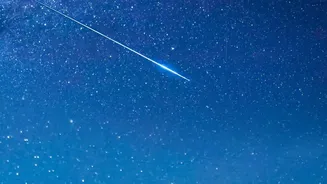
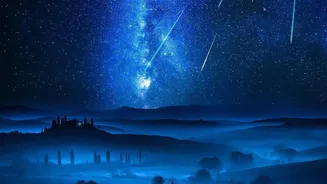
The Perseid meteor shower is an annual event that occurs when Earth passes through the trail of debris left by Comet 109P/Swift-Tuttle. This comet, which takes 133 years to orbit the sun, leaves behind a cloud of particles, many no larger than a grain
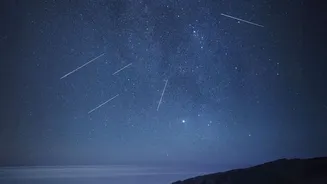
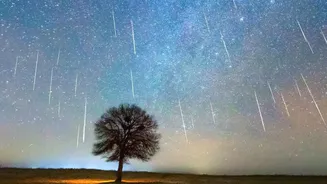
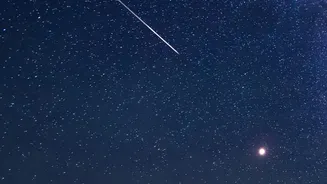
of sand. As these tiny fragments enter our atmosphere at incredible speeds—around 59 kilometres per second—they burn up, creating the bright streaks of light we call meteors or "shooting stars". The Perseids are known for being particularly bright and fast, often leaving persistent trails of light and occasionally producing brilliant "fireballs," which are larger explosions of light and colour. This makes them one of the most beloved and anticipated meteor showers for observers in the Northern Hemisphere.
Perfect Timing in 2026
This year offers near-perfect astronomical conditions for the Perseids. The shower will be active from mid-July to late August, but the peak—when the most meteors are visible—will occur on the night of August 12 and into the pre-dawn hours of August 13. Crucially, this peak coincides with the new moon on August 12. This means the sky will be exceptionally dark, without any moonlight to wash out the fainter meteors. Under these ideal, dark-sky conditions, observers could see between 50 and 100 meteors per hour. The absolute best time to watch in India will be from about midnight until just before dawn on the mornings of August 12 and 13.
The Monsoon Challenge
For skywatchers in India, the biggest obstacle isn't light pollution or a bright moon—it's the weather. August is the heart of the monsoon season for much of the country, bringing heavy cloud cover and frequent rainfall that can completely obscure the sky. While some nights may be clear, the weather is often unpredictable, with sudden downpours common in many regions, including the Western Ghats and southern states. This makes planning a viewing session a game of chance. Your best bet is to closely monitor local, short-term weather forecasts using apps and websites in the days leading up to the peak. Look for any potential breaks in the cloud cover, even if they are brief.
Finding the Right Spot
To maximize your chances, you need to get away from both city lights and monsoon clouds if possible. The most promising locations are typically high-altitude, rain-shadow regions where the monsoon's impact is less severe. Areas like Ladakh and the Spiti Valley offer some of the clearest, darkest skies in the country, making them prime destinations for astrotourism. The Hanle Dark Sky Reserve in Ladakh is an exceptional choice. For those unable to travel that far, arid regions like the Rann of Kutch in Gujarat or parts of Rajasthan may also offer better viewing prospects than areas with heavy rainfall. Even if you're near a major city, driving to a rural area or a hilltop away from direct light pollution will dramatically improve what you can see.
How to Watch the Shower
You don't need any special equipment to enjoy the Perseids; in fact, your naked eyes are the best tool for the job since they allow you to take in the widest possible view of the sky. Find a comfortable spot where you can lie back on a mat or a reclining chair and simply look up. Give your eyes at least 20-30 minutes to fully adjust to the darkness—this means avoiding looking at your phone screen. While the meteors will appear to originate from the constellation Perseus, they can streak across any part of the sky, so a broad view is essential. Patience is key. Pack some warm clothing as temperatures can drop overnight, along with some snacks and water. Then, just lie back and wait for the show to begin.