


The Post-Monsoon Paradox
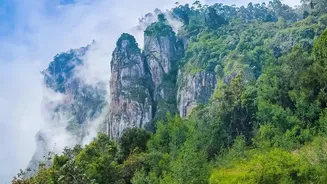
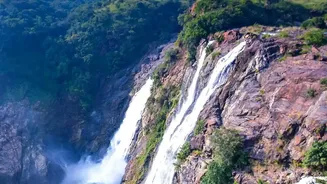
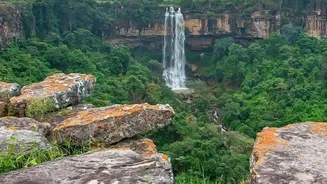
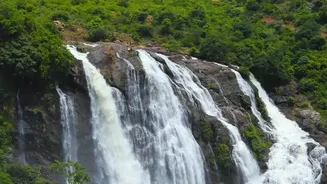
The period from October to January is often hailed as the prime time for trekking in Karnataka. The dust has settled, the heat is yet to set in, and the forests are bursting with life. Waterfalls that were mere trickles in summer are now roaring spectacles,
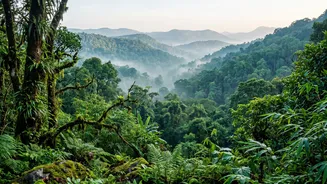
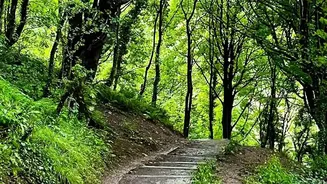
and the rolling hills are draped in a lush carpet of green. This visual splendour, however, comes with its own set of obstacles. The same rains that rejuvenate the landscape also leave behind slippery trails, muddy paths, and swollen streams that can be treacherous to cross. The moisture creates a perfect breeding ground for leeches, a notorious nuisance for anyone venturing into the dense foliage of the Ghats.
Navigating Official Regulations
Safety and conservation are paramount, which is why the Karnataka Forest Department takes a cautious approach to reopening trails. During the peak monsoon months, typically from June to September, many popular trekking routes are officially closed to the public. This closure serves two purposes: it protects trekkers from potential dangers like landslides and flash floods, and it allows the fragile ecosystem time to recover without human interference. As the rains subside, these trails are reopened gradually. However, access is not always immediate or guaranteed. It is essential for trekkers to check the official Karnataka Ecotourism website or contact local forest offices for the most current information on which trails are open and what permits are required before planning any trip.
Green-Lit Trails: What Opens First
Generally, trails at lower elevations or those with well-established paths are the first to welcome back visitors. Treks around Coorg and certain parts of Chikmagalur often fall into this category. Routes like Tadiandamol, while challenging, may open relatively early in the post-monsoon season, offering breathtaking views of the surrounding hills. These trails still demand caution, as paths will be slick with mud and decaying leaves, but they are often considered more manageable than their high-altitude counterparts. The key is to look for routes that do not involve multiple deep-stream crossings or traverse areas known for their instability. Always trek with a certified guide who is familiar with the current local conditions.
The 'Wait and Watch' Routes
More strenuous and ecologically sensitive treks, such as Kudremukh or Kumara Parvatha, often have a more delayed and strictly regulated reopening. The Kudremukh National Park, for example, is known for its stringent rules, including a cap on the number of daily visitors to minimise environmental impact. These high-altitude trails receive immense rainfall, making them particularly prone to landslides and soil erosion. The paths can remain dangerously slippery for weeks after the last spell of rain. Authorities will only grant access once they have assessed the trails to be safe. For these bucket-list treks, patience is key. Planning a trip for later in the season, perhaps from November onwards, is often a safer bet.
Essential Gear for the Season
Packing the right gear can make the difference between a memorable adventure and a miserable experience. Non-negotiable items for a post-monsoon trek include a pair of sturdy, waterproof hiking boots with deep grooves for superior grip on slippery surfaces. Leech-proof socks are a highly recommended investment, along with a small pouch of salt or a sanitiser spray to deal with any that manage to latch on. A lightweight, waterproof jacket is crucial, as intermittent showers are still common in October. Also, pack a reliable insect repellent, a basic first-aid kit, and enough drinking water, as natural sources might not be potable.