


From Waste to Wonder
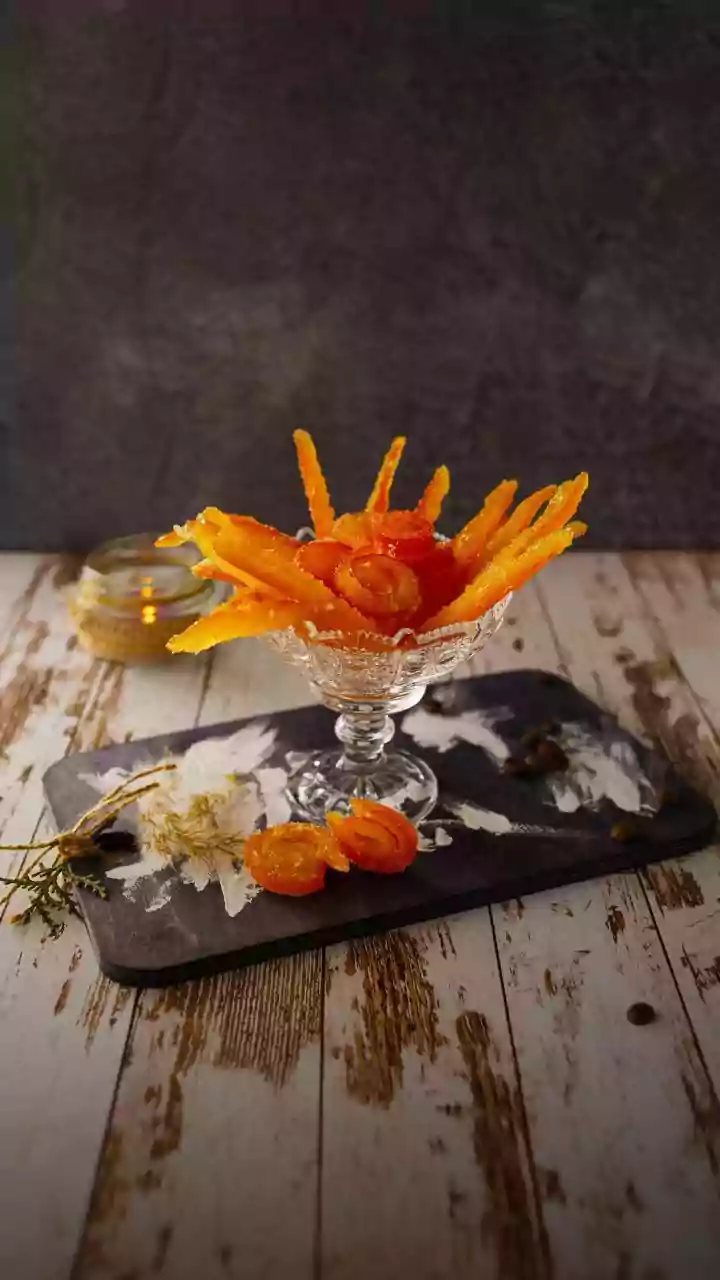
In many Indian kitchens, the principle of using every part of an ingredient is second nature. This recipe honours that tradition by turning something you’d normally discard—citrus peels—into a sophisticated preserve. Instead of contributing to kitchen waste,
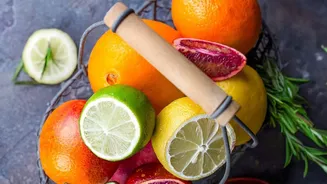
you can create a delicious, homemade marmalade that rivals anything you could buy. The process is a rewarding weekend project that fills your home with a beautiful citrus aroma. You can collect peels over time by storing them in the freezer until you have enough for a batch. Most citrus peels work well, including oranges, kinnow, lemons, and grapefruit. Combining different types can even create a more complex flavour profile in your finished product.
Preparing Your Peels
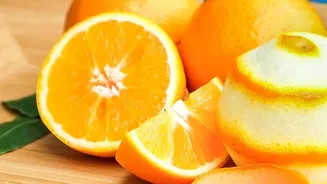
The first step is crucial for texture and taste. Start by thoroughly washing your citrus peels to remove any residue. Once clean, the next task is to manage the pith—the white layer on the underside of the peel. The pith is the main source of bitterness in marmalade. Using a sharp spoon or knife, gently scrape away as much of this white part as you can. Some bitterness is characteristic of good marmalade, but removing most of the thick pith gives you better control over the final flavour. After scraping, julienne the peels into thin, elegant strips. The thinner the strips, the more delicate the final texture of your marmalade.
Taming the Bitterness
To further reduce bitterness and soften the peels, a blanching process is recommended. Place the sliced peels in a saucepan, cover them with cold water, bring it to a boil, and let it simmer for about 10 minutes. Drain the water and repeat this process two or three times. This repeated boiling helps to leach out the bitter compounds, resulting in a smoother, more palatable flavour. Some recipes also suggest soaking the peels in cold water for several hours or even overnight after boiling, which further ensures a milder taste. This step is key to elevating your marmalade from simply homemade to truly 'artisanal'.
The Magic of Simmering
Now it's time to cook. Place the blanched, softened peels into a heavy-bottomed pan. A good starting ratio is equal parts by weight of peel, sugar, and water (or a mix of water and any leftover citrus juice). For example, if you have 250 grams of prepared peels, add 250 grams of sugar and 250 ml of water. You'll also want to add an acidic component, like the juice of one lemon, which is crucial because it helps activate the natural pectin in the peels, allowing the marmalade to set properly. Bring the mixture to a rolling boil, then reduce the heat and let it simmer gently. Stir occasionally to prevent the sugar from catching at the bottom of the pan.
Achieving the Perfect Set
The final stage is cooking the mixture until it reaches its setting point. This can take anywhere from 30 minutes to over an hour, depending on your quantities. The most reliable way to check for a set is the 'cold plate test.' Before you start cooking, place a few small plates in your freezer. When you think the marmalade might be ready, spoon a small amount onto a cold plate and return it to the freezer for a minute. If the surface wrinkles when you push it with your finger, it's ready. If it’s still runny, continue simmering and test again in 5-10 minute intervals. Be patient here, as this step determines the final consistency.
Jarring and Storing Your Gold
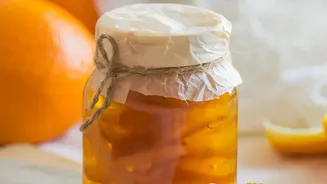
While the marmalade is in its final minutes of cooking, you should sterilise your glass jars. You can do this by washing them thoroughly in hot, soapy water, rinsing them, and then placing them in a 120°C oven for about 15-20 minutes. Lids can be sterilised by boiling them in water for about 10 minutes. Carefully pour the hot marmalade into the hot, sterile jars, leaving a small amount of headspace at the top. Seal them immediately while everything is still hot. Once cooled, the jars should be stored in a cool, dark place. Once a jar is opened, it should be kept in the refrigerator.