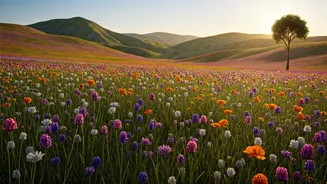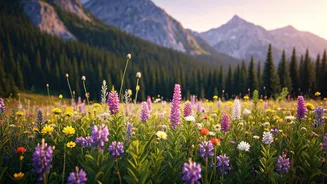




The Monsoon Miracle: Valley of Flowers, Uttarakhand
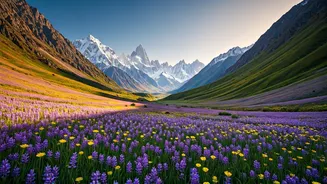
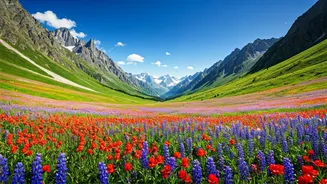
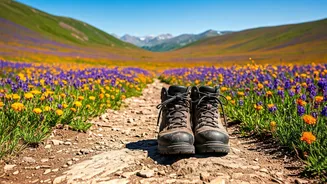
Nestled high in the Garhwal Himalayas, the Valley of Flowers National Park is a UNESCO World Heritage Site that comes alive during the monsoon. From mid-July to late August, the valley floor is carpeted with over 600 species of alpine flowers, including
the mythical Blue Poppy and the sacred Brahma Kamal. Planning for a 2026 trip means booking your travel to Rishikesh and subsequent road transport to Govindghat, the starting point of the trek. From there, it's a journey to the base village of Ghangaria. Accommodation in Ghangaria is limited and fills up months in advance, especially for the peak bloom window. Since the park is only open from June to October, with July and August being the absolute best time for floral density, locking in your dates and stays now is crucial for a successful trip.
The Post-Monsoon Carpet: Kaas Plateau, Maharashtra
Often called Maharashtra's Valley of Flowers, the Kaas Plateau is another UNESCO site renowned for its unique biodiversity. This laterite plateau bursts into a riot of colour after the monsoon recedes, typically from late August to early October. The absolute peak bloom, with carpets of tiny, vibrant flowers, is usually seen in mid-to-late September. Unlike the Himalayan treks, Kaas is more accessible, located just a few hours from Pune and Mumbai. However, its popularity means strict visitor management. Entry is often limited to a few thousand people per day, with mandatory online booking for specific time slots. To avoid disappointment, especially on weekends, booking your slot well in advance is essential as soon as the portals open for the season.
The Rare Spectacle: Neelakurinji in Munnar, Kerala
For the truly patient traveller, there is no bloom more legendary than the Neelakurinji. This shrub, native to the Western Ghats, paints the hills of Munnar a spectacular purplish-blue only once every 12 years. The last major bloom occurred in 2018, which means the next grand flowering is anticipated in 2030. While this seems far away, it is the ultimate bucket-list event for botanical enthusiasts. When it happens, millions of visitors flock to the region, making accommodation and travel nearly impossible without extensive advance planning. The bloom typically lasts from August to October. If seeing this once-in-a-generation phenomenon is your dream, the time to start thinking about the logistics for 2030 is now.
The Spring Marvels: Rhododendrons in the East
While some flowers wait for the monsoon, the rhododendron forests of the Himalayas put on their show in the spring. From March to May, treks in Sikkim and West Bengal are ablaze with colour. Places like the Barsey Rhododendron Sanctuary and Shingba Rhododendron Sanctuary in Sikkim become floral wonderlands. Treks like the Goechala in Sikkim and Sandakphu in West Bengal are famous for their rhododendron-lined trails set against snow-capped peaks. Since today is July 1, 2026, the current season is over. This is the perfect time to plan for the spring of 2027. Flights, trek operators, and permits for these popular routes should be sorted by the end of this year to secure a spot.
The Unspoiled North-East: Dzukou Valley, Nagaland
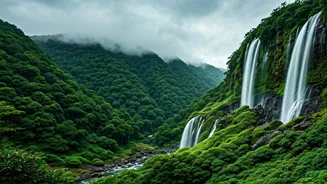
On the border of Nagaland and Manipur lies the Dzukou Valley, a rolling landscape of mesmerising beauty. During the monsoon months, from June to September, the valley is covered in a lush carpet of green, punctuated by countless wildflowers. Its most famous resident is the rare Dzukou Lily, which blooms during this period and is found nowhere else on earth. Planning a trip now for August or September 2026 is ideal. The trek to the valley is considered moderately challenging, and requires logistics to be sorted from Kohima. Booking a local guide and arranging transport to the trek start points of Viswema or Zakhama are key steps to take in advance.