


Beyond the Factory Weave
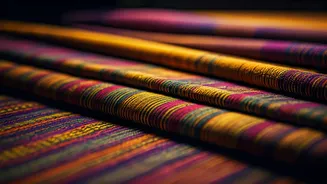
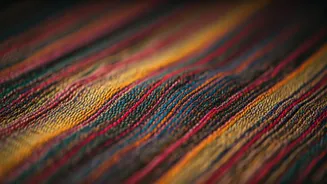
First, let's talk about 'handloom.' Unlike the flawless, uniform textiles churned out by industrial machines, handloom fabrics are woven by artisans on manually operated looms. This centuries-old practice is a cornerstone of cultural heritage in places
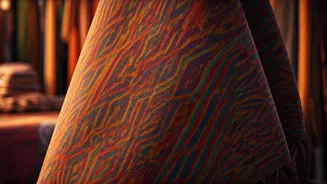
like India, Guatemala, and parts of Southeast Asia. Each piece of fabric—be it a vibrant Indian Ikat, a rustic Khadi cotton, or a richly patterned brocade—carries the signature of its maker. You can often feel the slight variations in the weave, a testament to the human touch involved. These are not imperfections; they are marks of authenticity. This process is slower, more deliberate, and imbues the final product with a soul that mass production simply cannot replicate. Choosing handloom is choosing a piece of history, a slice of a culture, and the result of dedicated craftsmanship.
The Art of the Second Act
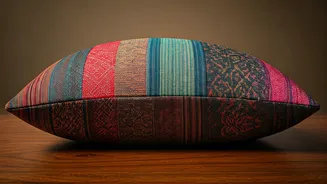
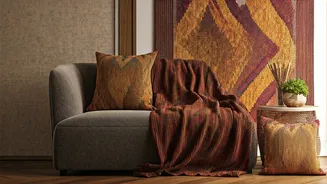
Now, add 'upcycling' to the mix. This isn’t just recycling. Upcycling takes a pre-existing item and transforms it into something of higher value and quality. In the world of decor, this means designers and social enterprises are sourcing stunning, often vintage, handloom textiles—like old saris, discarded bolts of fabric, or traditional garments—and giving them a second life. A beautifully worn silk sari, rich with intricate patterns, might be deconstructed and stitched into a one-of-a-kind quilt. Scraps of colorful handwoven cotton from a tailor's floor in Jaipur could be artfully patchworked into a vibrant throw pillow. A dramatic, unfinished tribal tapestry might become a stunning piece of wall art. This process honors the original fabric's beauty while preventing it from ending up in a landfill, creating a design piece that is both new and steeped in history.
A Purchase with a Purpose
Opting for these pieces is about more than just aesthetics; it's a conscious choice. The environmental benefit is clear: upcycling is a powerful antidote to the 'fast furniture' cycle, which contributes to immense waste. By using existing materials, these products demand fewer virgin resources and divert textiles from overflowing landfills. But the social impact is just as significant. Many of the brands and artisans leading this movement operate on fair-trade principles, providing sustainable livelihoods to the weavers and seamstresses who bring these creations to life. When you buy an upcycled handloom pillow, you're not just acquiring a decor item; you are often supporting a woman-led co-op, preserving a generational craft, and investing in a more circular, ethical economy. It turns a simple act of decorating into a statement of your values.
Weaving Character Into Your Home
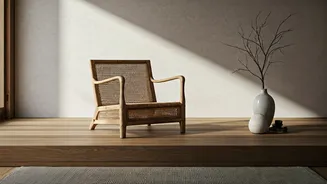
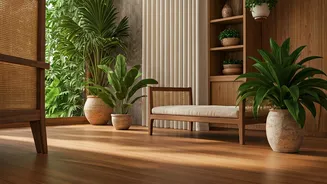
Ultimately, the appeal of these statement pieces is deeply personal. They defy the sterile perfection of a catalog showroom. A cushion made from a hand-dyed indigo fabric tells a story of its origin. A wall hanging crafted from a vintage ceremonial textile becomes an instant conversation starter. These items bring texture, color, and a sense of global connection into modern American homes. They work beautifully in minimalist spaces, where their rich detail can truly shine, as well as in more eclectic, bohemian interiors where they can layer in another dimension of pattern and history. They serve as a daily reminder that the objects we surround ourselves with can be more than just functional—they can be beautiful, meaningful, and part of a much bigger story.