







A Tale of Two Spice Jars
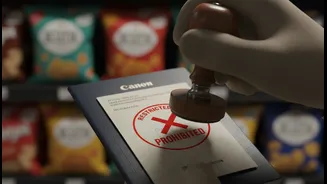
The story often begins with a regulatory alert. Recently, Hong Kong and Singapore suspended sales of certain spice mixes from iconic Indian brands MDH and Everest. The reason cited was the detection of ethylene oxide (ETO), a sterilizing agent classified
as a carcinogen, at levels exceeding their permissible limits. This incident wasn't isolated. The US, UK, and Australia also heightened their scrutiny of Indian spice imports. For Indian businesses aspiring to export, this serves as a stark reminder that global expansion is not just about logistics; it's about navigating a complex and unforgiving web of international regulations. What is deemed safe for sterilization in one country can be a cause for a product ban in another. The controversy highlights a critical vulnerability: a disconnect between domestic practices and the stringent, often different, standards of international markets.
The Name Game: Trademark Troubles
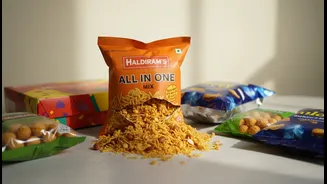
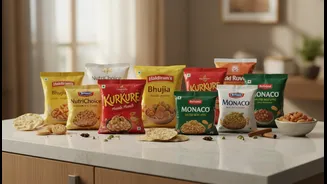
Even before a product reaches the shelf, a battle can be lost over its very name. For decades, beloved brands like Haldiram's have fought legal battles against 'trademark squatters' in foreign countries. These are entities that register a well-known Indian brand's name and logo in a foreign market, either to launch copycat products or to extort a high price from the original company when it decides to expand there. Haldiram's has faced numerous such challenges, fighting to protect its identity in markets from Asia to North America. In a landmark ruling in 2024, the Delhi High Court finally recognized 'Haldiram' as a 'well-known' trademark, granting it broader protection against such infringement. This is a crucial step, but it underscores the expensive and time-consuming legal preparations Indian businesses must undertake. Failing to secure trademarks in target markets early can mean losing the right to your own brand name or paying millions to get it back.
A Maze of Food Safety Standards
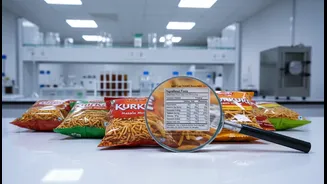
The key challenge lies in the fact that there is no single global food safety standard. The European Union, for instance, operates on a 'precautionary principle', often setting zero-tolerance policies for substances like ETO in food. The United States, while also having strict rules, may have different permissible limits for the same substances. A pesticide or sterilizing agent permitted within certain limits in India may be completely banned or have a much lower threshold in a target export market. These differing standards, known as Maximum Residue Limits (MRLs), create a minefield for exporters. Compliance requires not just a final quality check, but a rigorous, traceable supply chain from farm to packaging, ensuring that every input meets the strictest potential standard of all intended markets. This involves significant investment in accredited labs, documentation, and quality control processes that many smaller businesses find daunting.
The Consumer's Dilemma
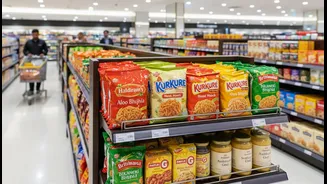
For Indian diners and shoppers abroad, these issues create confusion. You might see a familiar brand with slightly different packaging, or find it missing from shelves altogether. This is often a result of these behind-the-scenes struggles. A brand might have to create a different formulation for the European market to comply with their regulations, or it might be fighting a local company using its name. As a consumer, being informed is key. Look for official import labels and be aware that a product recall in one country for a specific batch doesn't necessarily mean the entire brand is unsafe everywhere. However, it does highlight the importance of robust regulatory oversight. These international incidents often put pressure on domestic agencies like the Food Safety and Standards Authority of India (FSSAI) to review and align standards, which ultimately benefits all consumers.