
The Allure of the Western Ghats
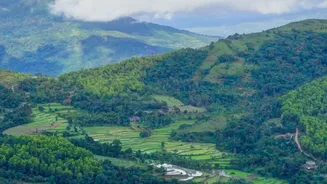
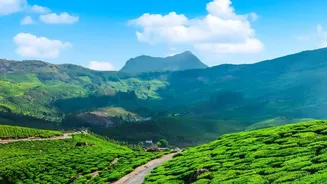
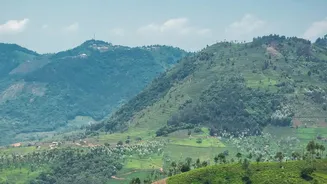
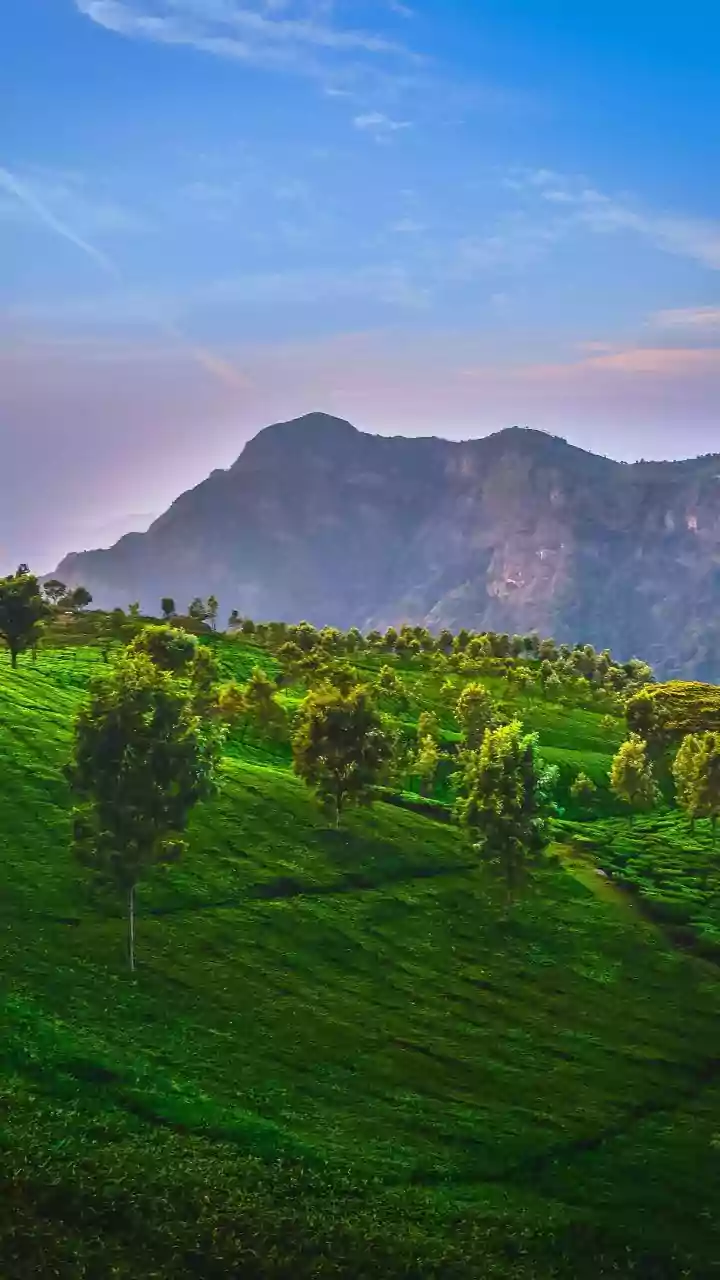
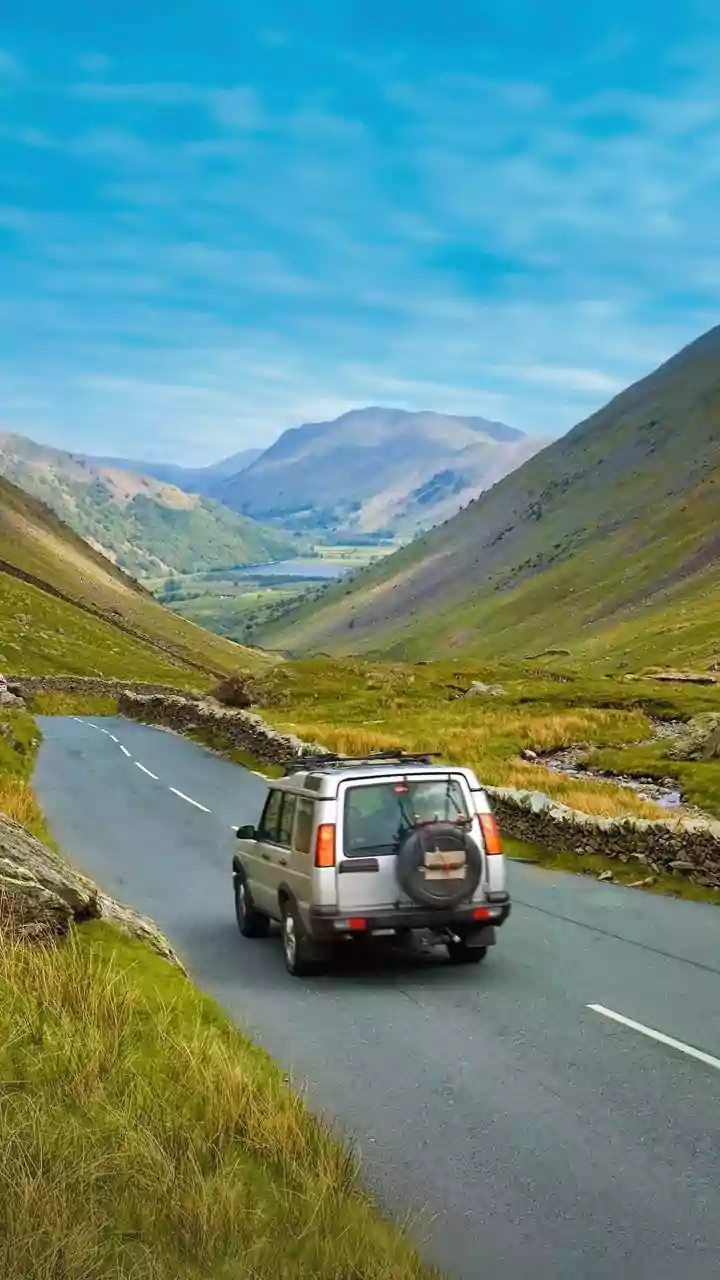
Bengaluru's greatest advantage for travellers is its proximity to the Western Ghats, a range of mountains carpeted in forests and plantations. Within a five-to-six-hour drive, the urban landscape gives way to winding roads, charming homestays, and a pace
of life that encourages you to slow down. Both Chikmagalur and Coorg offer this escape, yet each destination provides a distinctly different flavour of the hills. Choosing between them depends on the kind of getaway you seek: one centred on serene coffee plantations and dramatic peaks, or one filled with misty valleys and cascading waterfalls. The journey itself, leaving the city behind and watching the scenery transform, is an essential part of the experience.
Chikmagalur: The Coffee Land Beckons
Known as the 'Coffee Land of Karnataka', Chikmagalur is a paradise for those who love verdant landscapes and the aroma of freshly brewed coffee. The drive from Bengaluru is roughly 245 kilometres and takes about five hours, with well-maintained roads via Hassan making for a smooth journey. As you approach the region, the flat highways begin to curve and climb into the hills. The air cools, and vast coffee estates stretch out on either side of the road. Chikmagalur feels quieter and less commercialised than its counterpart, Coorg, offering a more tranquil retreat. It’s the ideal destination for travellers looking to unwind amidst nature, explore plantations, and tackle some of Karnataka’s most rewarding treks.
Exploring Chikmagalur’s Lush Heights
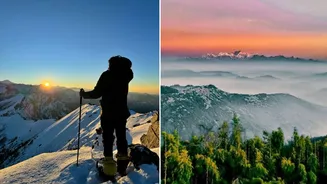
The main attraction here is Mullayanagiri, the highest peak in Karnataka, standing at 1,930 metres. A drive part-way up and a final trek to the summit rewards you with panoramic views of the surrounding hills. Nearby, the Baba Budangiri hills offer a mystical blend of natural beauty and history, considered the birthplace of coffee in India. For a truly immersive experience, take a guided walk through a coffee estate. These tours explain the journey from bean to cup and often end with a tasting session. If you seek adventure, the region is dotted with waterfalls like Jhari and Hebbe Falls, though some require a jeep ride to access. The best time to visit is from September to March, when the weather is cool and pleasant for sightseeing.
Coorg: The Misty Trails of Kodagu
Often called the 'Scotland of India', Coorg (or Kodagu) is famous for its perpetually misty landscape, rolling hills, and vibrant local culture. The drive from Bengaluru is slightly longer, around 270 kilometres, taking five to six hours via the popular Mysore Road route. Coorg feels more developed than Chikmagalur, with a wider range of resorts and attractions. Its landscape is defined by a sense of enchantment, where low-hanging clouds drift through valleys and dense forests. It’s a destination that caters to families, couples, and adventurers alike, offering everything from wildlife encounters to cultural immersion. The region is home to the Kodava people, known for their unique traditions and hospitality.
Sights and Sensations in Coorg
Key attractions in Coorg are centred around its natural beauty and cultural landmarks. Raja's Seat in the main town of Madikeri is a famous viewpoint where kings once watched the sunset. Abbey Falls is one of the most popular waterfalls, cascading down a 70-foot cliff amidst coffee and spice plantations. For a unique wildlife experience, the Dubare Elephant Camp allows visitors to participate in bathing and feeding elephants on the banks of the River Kaveri. Another must-visit is Bylakuppe, India's largest Tibetan settlement, home to the magnificent Namdroling Monastery, also known as the Golden Temple. Like Chikmagalur, the ideal time to visit Coorg is from September to June, when the weather is perfect for exploring its misty trails.