



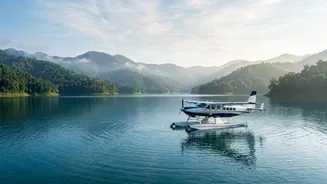
A New Wave of Connectivity
For years, the dream of a robust seaplane network in India remained just over the horizon. Early attempts, like SpiceJet's service connecting Ahmedabad to the Statue of Unity, were promising but short-lived. However, a significant new chapter is beginning,
driven by government initiatives like the UDAN (Ude Desh ka Aam Nagrik) regional connectivity scheme. The government is actively working to establish new seaplane routes, aiming to connect regions where building traditional airport infrastructure is impractical. This push has paved the way for new players and renewed efforts, promising to link major cities with remote islands, serene backwaters, and pristine coastlines.
The Rise of New Operators and Routes
A key development is the emergence of SkyHop Aviation, India's first dedicated commercial seaplane operator, which received its flying permit in April 2026. The airline is set to begin operations by connecting the Indian mainland, likely from Kochi, to five islands within the Lakshadweep archipelago. This is a game-changer for accessing the coral atolls and turquoise lagoons of Lakshadweep, which have traditionally required more complex travel arrangements. In another major boost, SkyHop recently signed a deal with Norwegian firm NOEMI Aerospace to introduce up to 15 amphibious aircraft, signalling a long-term commitment to building a network of up to 40 aircraft by 2030.
Andaman and Konkan on the Horizon
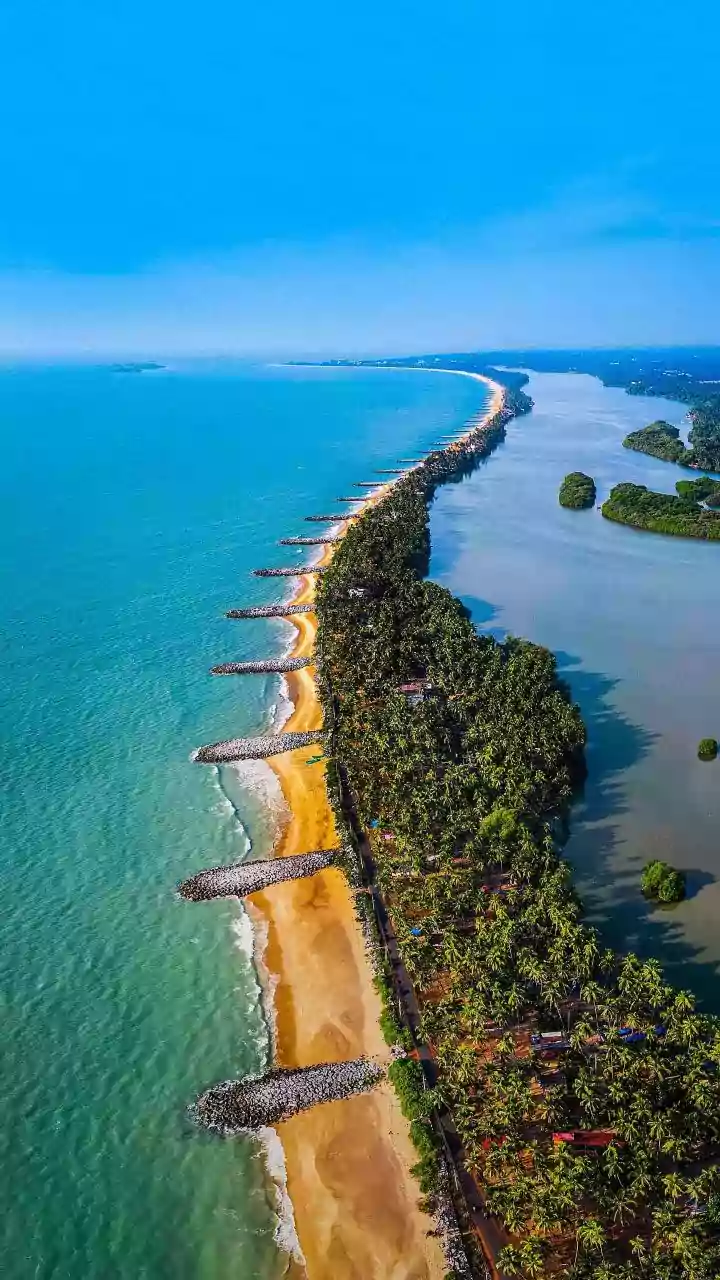
Beyond Lakshadweep, other stunning coastal regions are also part of this expansion. In the Andaman and Nicobar Islands, plans are actively being developed to connect Port Blair with popular destinations like Havelock Island (Swaraj Dweep) and Neil Island (Shaheed Dweep), as well as more remote spots like Little Andaman and Campbell Bay. These services, which have been on and off, are being revived to drastically cut down on ferry travel time and offer breathtaking views of the archipelago. Meanwhile, on the mainland, the Maharashtra government is reviving plans for a seaplane network connecting Mumbai with the beautiful Konkan coast. A feasibility study is underway for a route to Ratnagiri, which could reduce the long road journey to a short, scenic flight, unlocking access to unspoiled beaches like Bhagwati and Bhatye.
The Unique Allure of Seaplane Travel
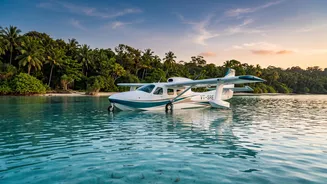
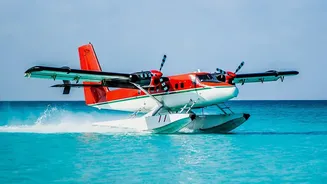
The appeal of seaplanes goes beyond mere convenience. The experience itself is a major draw. These smaller, 10 to 19-seater aircraft fly at lower altitudes, offering passengers an intimate and spectacular perspective of the landscape below. Instead of a sterile airport terminal, your journey begins and ends at a waterdrome, often just a simple jetty on a riverfront or a coastal bay. The thrill of taking off and landing on water adds a unique element of adventure to the trip. This mode of transport is perfectly suited for tourism, allowing travellers to bypass congested roads and arrive refreshed and ready to explore destinations that were previously considered off the beaten path.
What to Expect: The Practical Side
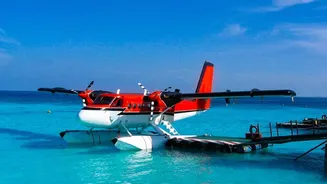
As these services roll out, travellers can anticipate a different kind of flight experience. The aircraft, such as the widely used De Havilland Twin Otter, are sturdy and designed for short take-offs and landings on both water and land. Due to the smaller size, baggage allowances will likely be more restrictive than on larger commercial flights. Ticket prices are expected to be positioned as a premium but accessible option, especially when factoring in the time saved. For instance, initial estimates for the proposed Maharashtra routes suggested fares around ₹4,000. As the network expands under the UDAN scheme, which aims to make flying more affordable for the common citizen, these unique coastal connections are set to become an increasingly attractive option for weekend getaways and longer holidays.