
Beyond Second-Hand: The New Thrift
Thrifting, or buying pre-loved clothing, is hardly a new concept in India, where handing down garments has been a long-standing tradition. What's different now is the evolution from necessity-based reuse to a conscious lifestyle choice, supercharged by
digital platforms. This isn't about rummaging through disorganized piles; modern thrifting is a curated experience. Driven by Instagram stores and dedicated websites, today's thrift culture is about "circular fashion"—an economic model focused on extending the life of clothes, reducing waste, and keeping garments in circulation for as long as possible. This new wave has transformed the perception of second-hand clothes from a taboo to a trendy and responsible statement.
Conscious Closets, Unique Style
So, why is this trend exploding among Gen Z and millennials? The motivations are threefold: sustainability, affordability, and individuality. Many young shoppers are increasingly aware of the environmental damage caused by fast fashion, from immense water pollution to the millions of tonnes of textile waste generated annually. Thrifting offers a guilt-free way to shop, directly countering the industry's wasteful practices. Affordability is another major driver, especially for students and young professionals who want stylish, high-quality pieces without the high price tag. Perhaps most importantly, thrifting is a rebellion against mass-produced homogeneity. In a world where everyone can buy the same dress from the same global chain, pre-loved items offer a chance to own something rare and build a truly personal style. It's a hunt for one-of-a-kind treasures that reflect individual taste, not just fleeting trends.
The Digital Bazaar
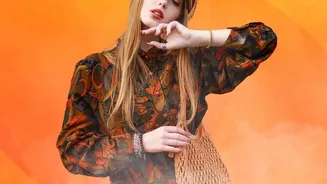
The engine of this movement is social media, particularly Instagram. Thousands of online thrift stores have mushroomed on the platform, each with its own aesthetic, from Y2K and vintage streetwear to curated designer pieces. These stores are often run by young entrepreneurs who source, style, and photograph their collections, creating a vibrant digital marketplace. The shopping experience is interactive and fast-paced, often revolving around timed "drops" where a collection goes live at a specific time, and customers race to comment first to claim an item. This creates a sense of excitement and community. Beyond Instagram, dedicated peer-to-peer apps and websites are also gaining traction, making it easier for people to both buy and sell from their own closets, further fuelling the circular economy.
The Thrill of the One-of-a-Kind Find
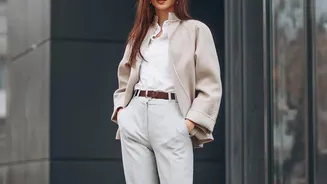
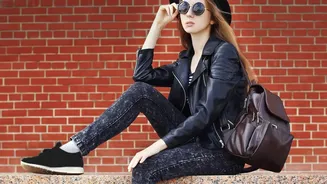
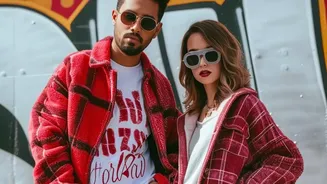
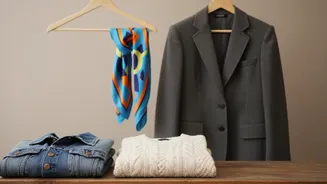
A key part of thrifting's appeal is the experience itself. Many shoppers describe it as a 'treasure hunt,' an exciting search for hidden gems that you won't find anywhere else. Unlike the predictable inventory of a retail store, a thrift haul might include a vintage denim jacket, a rare band t-shirt, or a beautifully crafted designer piece at a fraction of its original cost. This element of discovery provides a unique satisfaction that fast fashion cannot replicate. For many, the clothes also carry a story, and upcycling—by adding embroidery or making alterations—allows them to add a new chapter and create a custom piece that is truly their own. This process of finding and personalizing clothes fosters a deeper connection to one's wardrobe.
Navigating the Pre-Loved Landscape
While the thrifting boom is exciting, it's not without challenges. Sizing can be inconsistent, return policies are often non-existent, and quality control depends entirely on the seller's integrity. Shoppers need a patient eye and have to be comfortable with minor imperfections. Furthermore, as the trend becomes more mainstream, there are growing discussions about authenticity and whether the commercialization of thrifting still aligns with its sustainable roots. Despite these hurdles, the movement shows no signs of slowing down. Major e-commerce platforms are starting to explore resale, and the government is promoting policies to support a circular economy for textiles. This suggests a fundamental shift in how Indians think about fashion consumption.