





The Cultural Shift: More Than Just Muscle
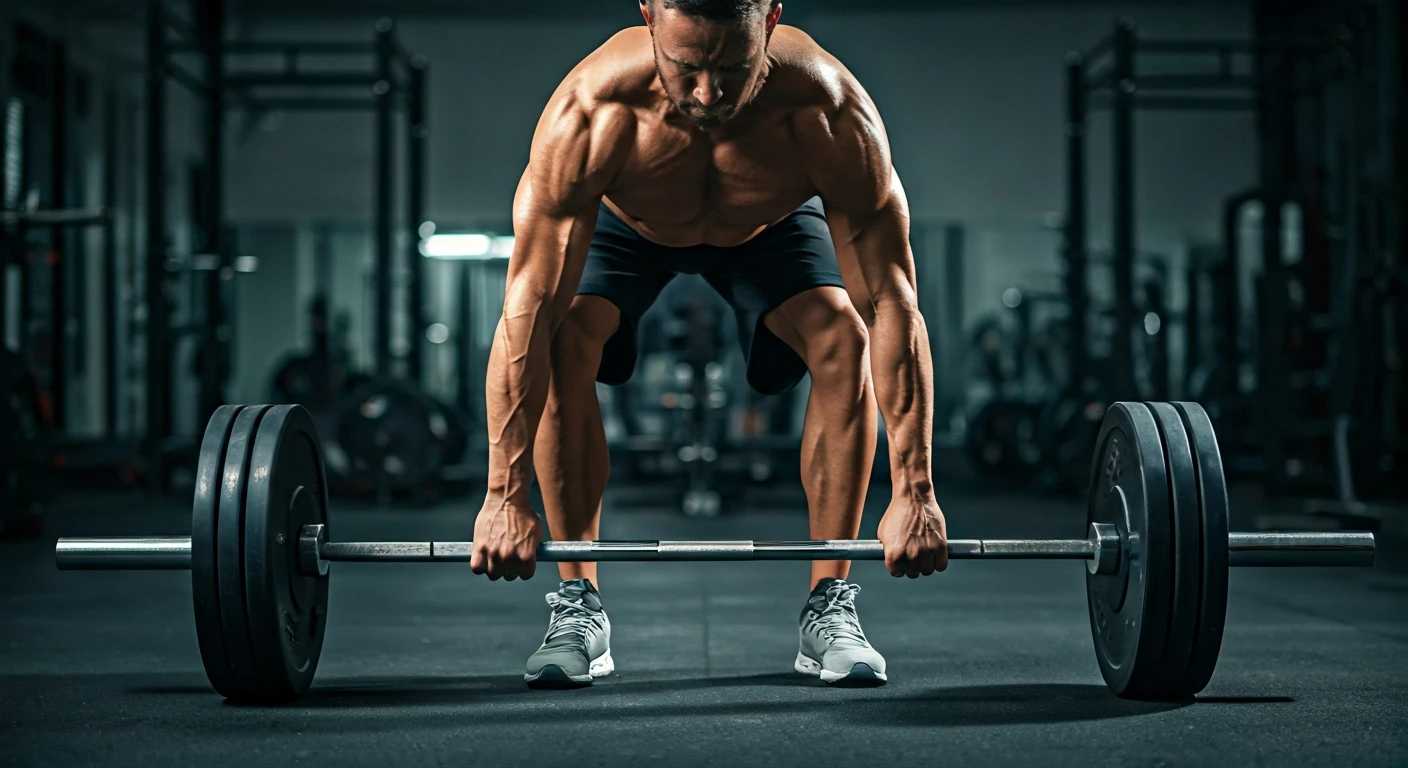
Walk into any gym today, from a bustling metro to a Tier-2 city, and you'll notice the conversation has changed. It's less about 'how much weight did you lose?' and more about 'how much can you lift?'. This represents a significant philosophical shift.
After a period of global health uncertainty, there's a growing realisation that true fitness isn't about subtraction (eating less, weighing less) but about addition—building more muscle, more energy, and more resilience. This trend, which is gaining momentum and expected to define 2026, sees fitness as a form of preventative healthcare. People are training for their 80s, not just for the summer, focusing on longevity, bone density, and functional power. Social media and celebrity influencers have also played a huge role, making strength training aspirational and accessible.
Science-Backed Benefits for Indian Bodies
The move towards strength training is heavily supported by science. Beyond aesthetics, it offers profound health benefits that are particularly relevant for the Indian population. Regular resistance training is proven to increase bone density, which is crucial for women, who are at a higher risk of osteoporosis, especially post-menopause. It also significantly improves insulin sensitivity, a critical factor in managing and preventing Type 2 diabetes, a growing concern in the country. Furthermore, building muscle boosts your resting metabolism, meaning your body burns more calories even when you're not active. Research shows that just 30-60 minutes of muscle-strengthening activity a week can lead to a 10-17% reduction in all-cause mortality, including a lower risk of heart disease and cancer.
Busting the Myths That Hold Us Back
Despite its benefits, strength training has long been plagued by myths, especially in India. The most persistent one is the fear that lifting weights will make women 'bulky'. This is a misconception; women have significantly lower levels of testosterone than men, which is the primary hormone required for substantial muscle growth. Instead, strength training helps women build a leaner, more toned physique. Another common myth is that cardio is superior for fat loss. While cardio burns calories during the session, strength training builds muscle that raises your metabolism around the clock. Finally, the idea that strength training is only for the young or injury-prone for older adults is being actively challenged, with more people over 50 now embracing weightlifting for active ageing.
Getting Started: Strength Is for Everyone
The beauty of the current strength training trend is its accessibility. You don't need a high-end gym membership or complicated equipment to begin. In fact, many experts recommend starting at home with bodyweight exercises. Foundational movements like squats, push-ups (which can be done against a wall), and planks are incredibly effective for building a base of strength. The key for beginners is to focus on proper form over the amount of weight lifted to prevent injury. Starting with two to three sessions a week is sufficient, as muscles need time to recover and grow. As you get stronger, you can gradually increase the intensity by adding more repetitions, sets, or light weights like dumbbells or resistance bands.