



The Soul of Sowa-Rigpa
At the heart of Ladakhi wellness is Sowa-Rigpa, one of the world's oldest, continuously practiced medical systems. This 'science of healing', with deep roots in Tibetan Buddhism and similarities to Ayurveda, is a holistic approach to health that considers
the body, mind, and spirit as one. It’s not just about treating illness but about maintaining a harmonious balance with the environment. Traditional practitioners, known as Amchis, are revered figures who use methods like pulse analysis and observation to diagnose imbalances. Their remedies are drawn from the natural pharmacy of the Himalayas, using local plants, minerals, and ethical principles to promote wellbeing. This system forms the foundation for many of Ladakh's wellness rituals, including their unique herbal preparations.
The Ritual of Smoked Incense
While 'smoked herbal brews' might conjure images of a drink, the tradition is more focused on the purification of spaces and the spirit through aromatic smoke. The key ingredient is the Himalayan juniper, known locally as 'Shukpa'. This sacred tree, one of the few to thrive in the harsh climate, is central to Ladakhi culture. Its twigs and leaves are burned as a fragrant incense in homes and monasteries, a practice believed to cleanse negative energy and create a sacred atmosphere. This smoke is an offering to deities, a way to purify the air, and a fundamental part of daily life and major festivals like the Ladakhi New Year, Losar. The deeply pleasant aroma is considered soothing and is woven into the very identity of a Ladakhi home.
A Pharmacy in the Wild
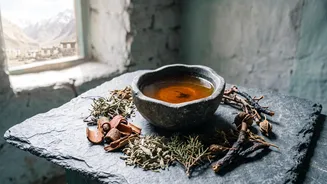
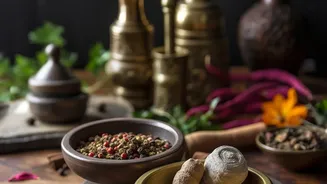
The Ladakhi landscape, though seemingly barren, is a treasure trove of potent medicinal plants that form the basis of these wellness traditions. Beyond juniper, Amchis and locals forage for a variety of herbs. Wild rose ('Sia'), which grows above 15,000 feet, and Rhodiola, or 'golden root', are used to combat altitude sickness and stress. Artemisia serves as a natural remedy for digestive issues. These plants are not just ingredients; they are a direct link to the land, harvested with deep respect and knowledge passed down through generations. The use of these foraged plants, free from any synthetic additives, represents a pure form of plant-based wellness that relies solely on what the harsh, beautiful environment provides.
Beyond Smoke: Ladakhi Herbal Teas
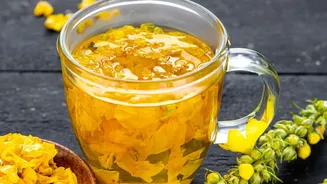
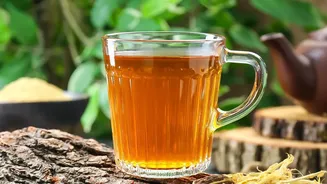
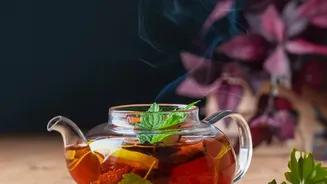
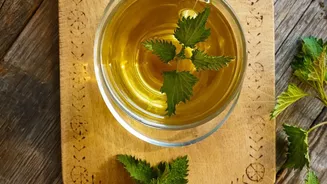
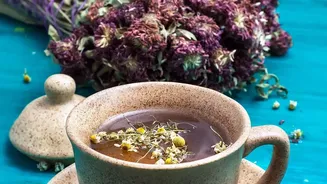
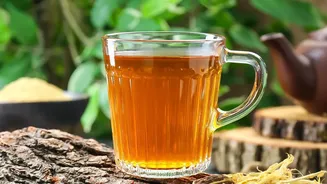
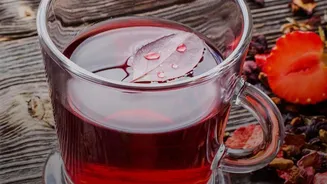
Alongside purification rituals, Ladakhis have a rich tradition of brewing herbal teas that offer warmth and healing. These are distinct from the famous butter tea, or 'Gur Gur Chai'. Locals brew infusions using foraged ingredients like wild mint and seabuckthorn leaves. These teas are not just for hydration but are considered to have healing properties, often enjoyed after a meal or as a wellness sip on their own. They represent another facet of Ladakh's plant-based wellness culture, where simple, natural ingredients are used to create comforting and healthful preparations. This practice of using local herbs for daily consumption underscores the deep integration of nature into every aspect of Ladakhi life.