







The Dawn of the Smart Kitchen
Step into a newly designed urban Indian kitchen today, and you might find it unrecognisable from the one you grew up in. The heavy iron tawas and brass pots still have their place, but they now share counter space with a host of sophisticated gadgets.
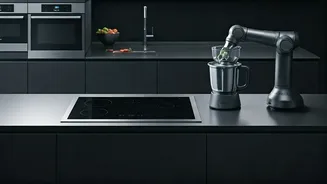
We're talking about air fryers that promise crispy samosas with a fraction of the oil, intelligent mixer-grinders with pre-programmed settings for the perfect chutney, and sleek induction cooktops that offer precise temperature control. This isn't just about collecting appliances; it's a fundamental shift in how we approach daily cooking. The goal is no longer just to prepare a meal, but to do so quickly, healthily, and with minimal effort, freeing up precious time for other pursuits.
Technology as the Great Enabler
The primary driver of this transformation is accessible technology. Appliances that were once considered premium luxuries are now becoming mainstream. Dishwashers, for example, tailored for Indian cooking with modes for greasy kadhais, are seeing a surge in demand, especially in metro cities. Market reports show double-digit growth in the small kitchen appliance sector, fuelled by innovations that cater specifically to Indian needs. Think multicookers with settings for biryani and dal, or food processors with attachments for kneading atta. This technological wave is democratising convenience. The 'perfectly round roti' can now be made by a machine, and a three-course meal can be prepped in under an hour, tasks that once consumed a significant part of the day.
Changing Lifestyles and Social Structures
This embrace of efficiency isn't happening in a vacuum. It's a direct response to deep-seated social changes. With more women entering and staying in the workforce, the traditional model of one person managing all household chores is becoming untenable. Nuclear families, often living far from the support system of a joint family, rely on technology to manage the domestic workload. Time has become the ultimate luxury. For a dual-income couple in Bengaluru or Gurugram, an extra hour in the evening saved by a dishwasher or a quick-cooking air fryer is invaluable. The kitchen's evolution mirrors a broader re-negotiation of gender roles and domestic responsibilities, where efficiency is a tool for achieving a better work-life balance.
The Aspiration for Modernity
Beyond pure utility, the modern kitchen has become a powerful status symbol. Driven by rising disposable incomes and global exposure through social media, a modular, well-equipped kitchen is now a key feature of an aspirational lifestyle. It's not just about having the latest gadget; it's about creating a space that is clean, organised, and aesthetically pleasing. Real estate developers prominently feature sleek, European-style kitchens in their brochures, and platforms like Instagram and Pinterest are flooded with images of picture-perfect pantries and countertops. This desire for a modern living standard is pushing consumers to invest in better, more efficient appliances, viewing them not as an expense but as an upgrade to their quality of life.