





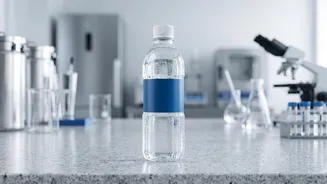

In the rush of daily life, grabbing a bottle of packaged water is a common reflex. But a simple, two-second check before you buy can make all the difference, protecting you from potential health risks and ensuring you get what you pay for.
The Unseen Risks in a Sealed Bottle
Packaged drinking
water is a massive industry in India, but it's not without its problems. Counterfeiting and contamination are real concerns. Some illicit operations refill used bottles with untreated water, while others create lookalike brands to deceive consumers. These fake products may not have undergone the rigorous purification processes required, and could harbour harmful bacteria or chemical contaminants. While water might look clear and taste normal, it can still contain invisible health risks. The Food Safety and Standards Authority of India (FSSAI) has even classified packaged water as a 'high-risk' food category, subjecting it to stricter scrutiny, including regular inspections and testing.
Your First Defence: The Seal
The very first thing to inspect is the bottle's seal. The cap should have a tamper-evident ring that is fully intact. Before opening, this ring should be firmly connected to the cap. If it's broken, loose, or looks like it has been re-glued, it’s a major red flag. Avoid bottles with any signs of damage to the cap or seal. Counterfeiters often use old bottles, and their sealing methods are rarely as professional as the original manufacturer's. Also, examine the bottle itself. Excessive scratches, dirty packaging, or mismatched caps can be signs that the bottle has been refilled. A legitimate product will look clean and securely sealed.
Decoding the Label: FSSAI Licence and Batch Number
The label contains crucial information that helps verify a product's authenticity. Look for the FSSAI logo and the 14-digit licence number. This indicates that the manufacturer is registered with the food safety authority. Consumers can even verify this licence number on FSSAI's online portal (FoSCoS) for added peace of mind. Just as important is the batch number, a unique code of letters and numbers that identifies a specific production run. This number is essential for traceability. In case of a product recall or a quality issue reported for a specific batch, this number allows manufacturers and authorities to track down all affected products. A missing or smudged batch number is a sign to be cautious.
Dates and Details Matter
Alongside the batch number, always check the manufacturing date and the 'best before' date. While water itself doesn't expire, the plastic bottle can degrade over time, potentially leaching chemicals into the water, especially if stored improperly. Avoid any bottles that are past their best-before date. The label should also clearly state the Maximum Retail Price (MRP) and the manufacturer's name and address. Incomplete, blurry, or poorly printed labels are common on counterfeit products. Reputable brands invest in high-quality, clear labelling.
An Important Note on the ISI Mark
For many years, consumers were trained to look for the ISI mark from the Bureau of Indian Standards (BIS) as a sign of authenticity. However, a significant regulatory change occurred in October 2024. FSSAI removed the mandatory BIS certification requirement for packaged drinking water. From January 1, 2026, this was replaced with FSSAI's own compulsory testing scheme. This means that the absence of an ISI mark on a water bottle no longer automatically signifies that it is fake or unsafe. Instead, the focus for consumers should be on verifying the FSSAI licence, the seal integrity, and the batch details.