



Ventilate Strategically, Not Constantly
It might seem counterintuitive to open windows during the rainy season, but a completely sealed home traps moisture and creates stale air. The trick is timing. The best times to ventilate are during drier parts of the day, like the early morning or when
there's a break in the rain. Even opening a window for just 15-30 minutes can significantly improve air quality by flushing out damp, stagnant air and bringing in a fresh supply. Avoid keeping windows open during a downpour or on exceptionally humid days, as you'll only let more moisture in.
Master the Art of Cross-Ventilation
One of the most effective ways to quickly refresh your home is through cross-ventilation. By opening windows or doors on opposite sides of a room or house, you create a natural air current that pushes old, humid air out and pulls fresh air in. This technique is powerful and efficient, meaning you don't need to do it for long. A short burst of 10-15 minutes can make a world of difference without dramatically increasing indoor humidity. It's an ideal method for those brief, dry spells between showers.
Use Exhaust Fans Religiously
Your home has built-in humidity hotspots, primarily the kitchen and bathroom. Moisture from cooking and hot showers can quickly spread, making the entire house feel damp. Make it a non-negotiable habit to run the exhaust fan every time you cook or bathe. Let it run for an additional 15-20 minutes after you're done to ensure all the excess steam and moisture have been properly vented outside. This simple step prevents moisture from settling on walls, ceilings, and furniture, which is a leading cause of mould growth.
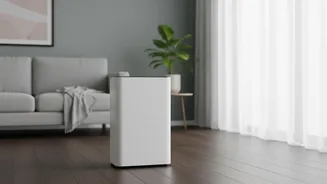
Consider a Dehumidifier Your Monsoon Ally
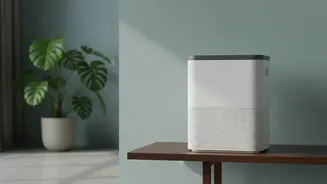
For areas with persistently high humidity, a dehumidifier is one of the most effective tools in your arsenal. These appliances work by pulling excess moisture directly from the air, helping to maintain an ideal indoor humidity level of between 30% and 50%. This not only makes your home feel more comfortable and less 'sticky' but also creates an environment where mould and mildew can't thrive. Placing a dehumidifier in a damp basement, a poorly ventilated room, or a closet can be a game-changer for preventing that classic monsoon mustiness.
Embrace Natural Moisture Absorbers
If a dehumidifier isn't an option, several natural and low-cost alternatives can help manage dampness. Placing open bowls of rock salt, baking soda, or activated charcoal in damp corners, under sinks, or inside wardrobes can effectively absorb excess moisture from the air. These materials are hygroscopic, meaning they naturally attract and trap water. While they won't be as powerful as an electric dehumidifier, they are excellent for managing moisture in smaller, enclosed spaces like cupboards and shoe racks, helping to protect your clothes and belongings from fungus.
Give Your Wardrobes and Closets Air
Closets and wardrobes are often the first places to develop a musty smell during the monsoon because they are dark, enclosed, and have zero airflow. To combat this, avoid overstuffing them, as tightly packed items trap moisture. A few times a week, leave the wardrobe doors open for an hour or so to allow the air inside to circulate. You can also place silica gel packets, camphor balls, or neem leaves inside to help absorb dampness and repel insects. Ensure clothes are completely bone-dry before storing them away.
Check for and Seal Leaks
Sometimes, the dampness problem isn't just the humid air but also water seeping in from the outside. Before the monsoon gets into full swing, do a thorough check of your home for any cracks in the walls, gaps around window frames, or potential roof leaks. Sealing these entry points is crucial for keeping your home dry. Pay close attention to walls that feel damp to the touch or show signs of peeling paint, as these can be indicators of hidden seepage that needs to be addressed by a professional.