

Rethink Your Vegetable Routine
We all do it. We buy beautiful, fresh seasonal produce with the best of intentions, only to fall back on the same old cooking methods. That vibrant lauki (bottle gourd) or crisp bhindi (okra) often ends up in a familiar gravy or a simple stir-fry with the usual
masala suspects. While there's comfort in routine, it can also lead to palate fatigue, making healthy eating feel like a chore. The solution is to add two key items to your meal planning checklist: a specific seasoning strategy and a deliberate textural goal. By consciously deciding how you want your vegetables to taste and feel, you unlock a world of culinary possibility with the same ingredients you already use.
Go Beyond the Masala Dabba
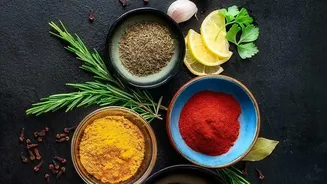
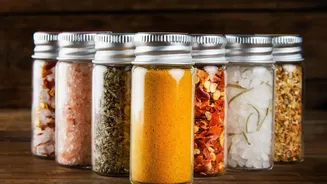
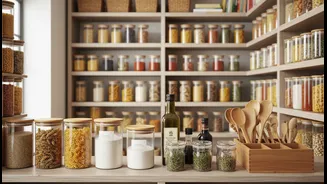
A well-stocked masala dabba is the foundation of Indian cooking, but your flavour toolkit can be much bigger. Think of seasonings in categories to inspire new combinations. Earthy spices like cumin and turmeric ground a dish, while warm spices like cinnamon and cloves add sweet depth, perfect for root vegetables like carrots and sweet potatoes. For a touch of brightness, don't forget acidity; a squeeze of lemon, a splash of vinegar, or a sprinkle of amchoor (dry mango powder) at the end of cooking can lift an entire dish. Fresh herbs are another game-changer. While dried herbs like oregano and thyme are great for roasting, fresh herbs like coriander, mint, and basil should be added at the end to preserve their delicate flavour. Try pairing fenugreek with spinach, mustard seeds with potatoes, or smoky paprika with mushrooms to discover new family favourites.
The Critical Role of Texture
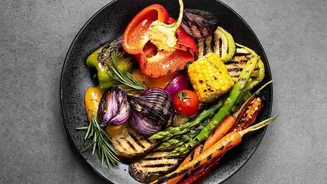
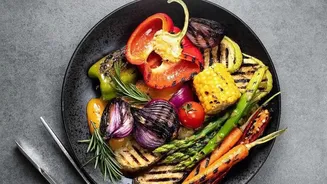
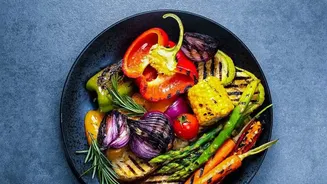
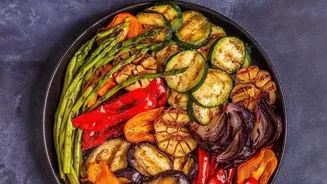
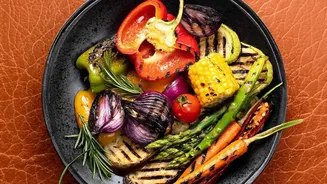
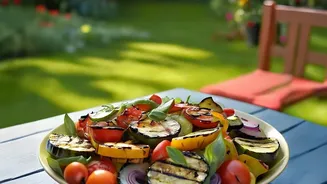
How a food feels in your mouth is just as important as how it tastes. Often, our vegetable dishes suffer from a lack of textural contrast, becoming soft or mushy. Your cooking method is the first step to controlling texture. Roasting vegetables at a high heat creates caramelisation and crispy edges, while a quick stir-fry keeps them crunchy and fresh. Don't be afraid to combine methods or add textural elements at the end. Imagine a simple potato sabzi. Now, imagine it with the addition of crunchy roasted peanuts or a topping of crispy fried onions. A soft-cooked dal can be transformed with a tadka that includes mustard seeds that pop. Toasted nuts and seeds, breadcrumbs, or even a bit of crumbled paneer or pungent cheese can add that satisfying crunch or richness that makes a simple vegetable dish feel complete and exciting.
A Simple Framework for Creativity
Applying these principles doesn't require a complete overhaul of your cooking. Start with a simple framework. First, pick your seasonal vegetable. Let's say it's cauliflower. Next, decide on a texture. Do you want it soft and comforting, or roasted and crispy? Let's go with crispy. Now, choose a seasoning profile. You could go the classic Indian route with a tandoori spice rub or try something different like a Mediterranean blend of garlic, rosemary, and lemon. Suddenly, you have a plan: Tandoori-spiced roasted cauliflower. This approach works for any vegetable. For a typically soft vegetable like eggplant (baingan), you could aim for a creamy texture by roasting it whole, then pairing it with the licorice-like flavour of star anise in a stir-fry or the smoky notes of paprika. This simple 'vegetable -> texture -> seasoning' checklist turns meal prep into a creative process.
Making It Work Every Day
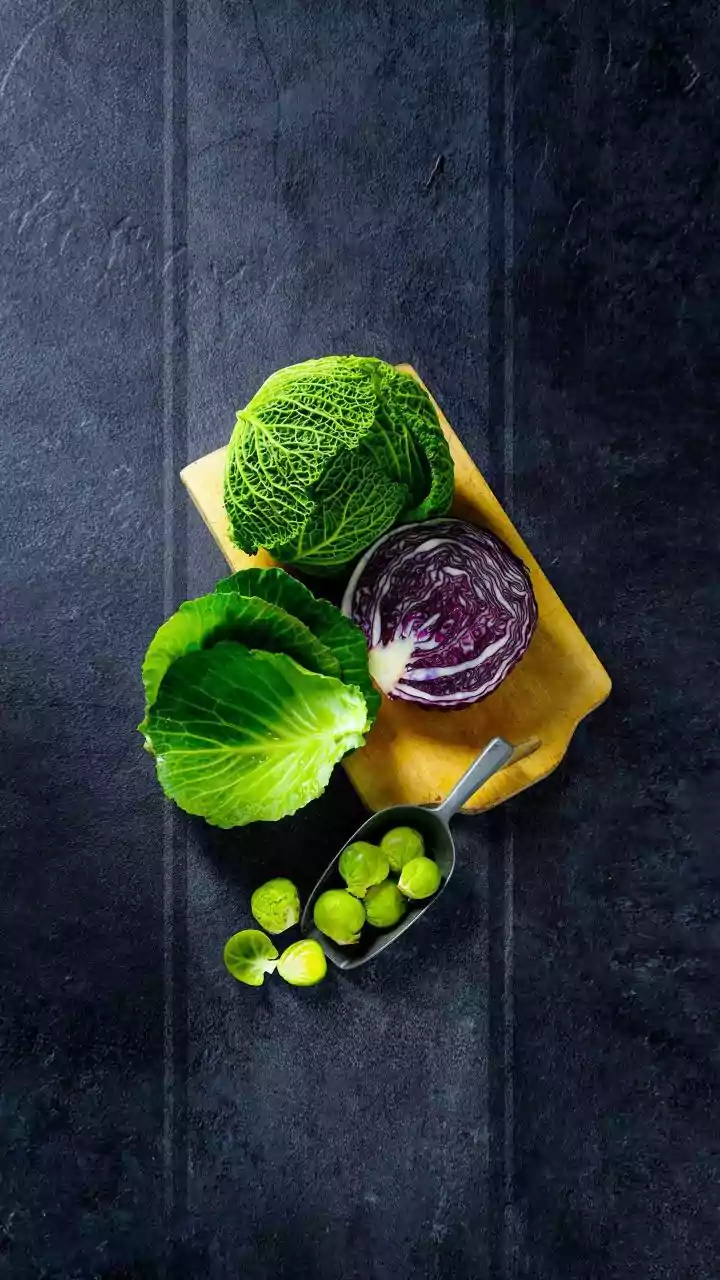
Let’s apply this to a few common Indian vegetables. Bored of your usual bhindi fry? Try keeping the okra whole, roasting it until the edges are crisp, and tossing it with amchoor and chaat masala for a tangy, crunchy side dish. For lauki, instead of a watery curry, try grating it, squeezing out the excess moisture, and making spiced koftas that you can pan-fry for texture. Carrots, often relegated to salads or mixed veg, can be roasted with cumin and a drizzle of honey to bring out their natural sweetness. Even cabbage can be elevated; instead of a simple stir-fry, try slicing it thin and roasting it with black pepper and salt until the edges are brown and crisp, concentrating its flavour into something surprisingly delicious. Each of these ideas starts with thinking about texture and seasoning first.