








Ignore the Front, Read the Back
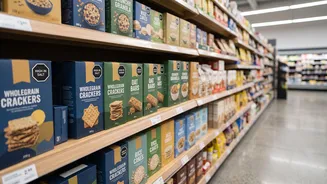
The front of a package is advertising, designed to catch your eye with appealing words like “natural,” “healthy,” or “high-fibre.” The real story is on the back in the nutrition information panel and the ingredients list. The Food Safety and Standards
Authority of India (FSSAI) mandates this information so consumers can see what's actually inside. Making a habit of flipping the pack over is the first step towards becoming a smarter shopper.
Start With the Ingredients List
Ingredients are always listed in descending order by weight. This means the first two or three ingredients make up the majority of the product. If the list begins with refined flour (maida), sugar, or palm oil, you know the product is high in those components, regardless of its “multigrain” or “healthy” claims. A shorter, more recognizable ingredient list is generally a better sign. This simple check tells you more about the food's quality than any marketing claim on the front.
Beware the Serving Size Trick
This is one of the most common ways consumers are misled. Manufacturers often list nutritional values for a very small serving size, like two biscuits or a handful of chips. The problem is, most people consume the entire packet, which can contain multiple servings. Always check the serving size and the number of servings per container. To compare products fairly, use the “per 100g” column, which provides a standard measure. This prevents you from being misled by artificially small serving sizes and gives you a true sense of the calorie and nutrient density.
Spot Hidden Sugars and Unhealthy Fats
Sugar is rarely just listed as 'sugar'. It hides under many names, including glucose, fructose, corn syrup, maltodextrin, and invert sugar. If you see multiple sugar-like names on the label, their combined amount is often significant. As a general rule, more than 15g of sugar per 100g is considered high. Similarly, look out for trans fats, often listed as “partially hydrogenated oils.” FSSAI has mandated that trans fat be limited, but even products claiming “0 trans fat” can contain small amounts.
Focus on Salt, Fibre, and Protein
High sodium intake is linked to blood pressure issues. Indian labels declare sodium, not salt; as a guide, more than 600mg of sodium per 100g is high. On the positive side, look for dietary fibre and protein. Fibre is essential for digestive health, and protein helps keep you full. A product is genuinely “high in fibre” if it has at least 6g per 100g. Comparing the protein and fibre content in the 'per 100g' column is a great way to choose a more nutritious option between two similar products.
The Future: Front-of-Pack Labelling
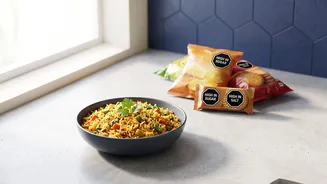
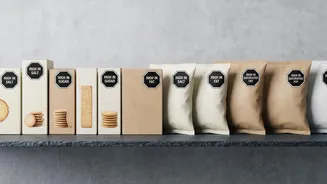
To make things simpler, FSSAI is introducing a Front-of-Pack Labelling (FoPL) system. After some debate over a star-rating system, the latest proposal involves a clear warning label—a red hexagon—to indicate if a product is high in sugar, salt, or fat. This system aims to provide a quick, at-a-glance summary of a product's health profile, helping you make faster, more informed decisions without needing to analyse the back of the pack. The Supreme Court has been pushing for a speedy implementation of this public health initiative.