


The Search for the Real Deal
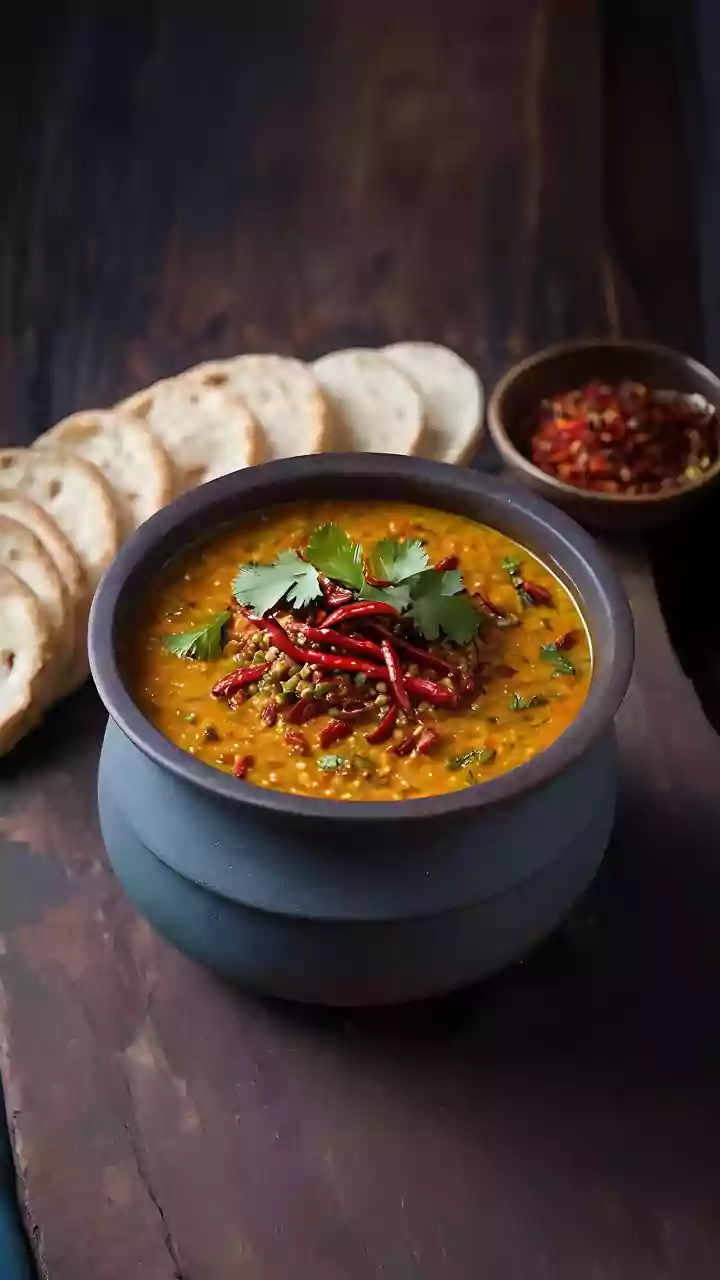
For years, “going out for something different” in urban India often meant choosing between a few familiar options. Butter chicken and dal makhani dominated North Indian menus, while “international” food was largely limited to generic pizza, pasta, and stir-fries.
But today’s diner is tired of the same-same feeling. Fuelled by social media, global travel, and a deeper curiosity, there's a growing demand for authenticity. People no longer just want to eat; they want to experience a story and connect with a culture. This shift has paved the way for a culinary explosion, where the real passport is an adventurous palate.
A World on Your Plate, in Your City
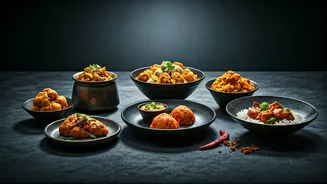
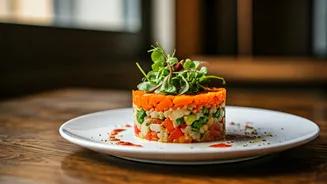
Look around any major Indian metro today, and you'll find a world map of flavours. Beyond the usual suspects, specialised restaurants are bringing authentic global tastes to the forefront. A recent article highlighted Delhi's first contemporary Sri Lankan restaurant, Zetu, which transports diners to the island with dishes like hoppers and kottu roti. Similarly, concepts like The Khow Suey Shop in Green Park are dedicated to perfecting a single, beloved dish. This isn't just about fusion; it's about dedication to a specific cuisine, whether it's a bowl of Vietnamese pho, spicy Korean ramen, or tacos that taste like they’re from a taqueria in Mexico City. International chefs and pop-ups, like a recent one by Manila's acclaimed Fat Cat bar in Gurugram, further enrich this local-global landscape.
Rediscovering India, One Thali at a Time
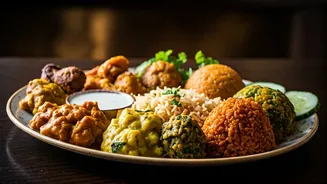
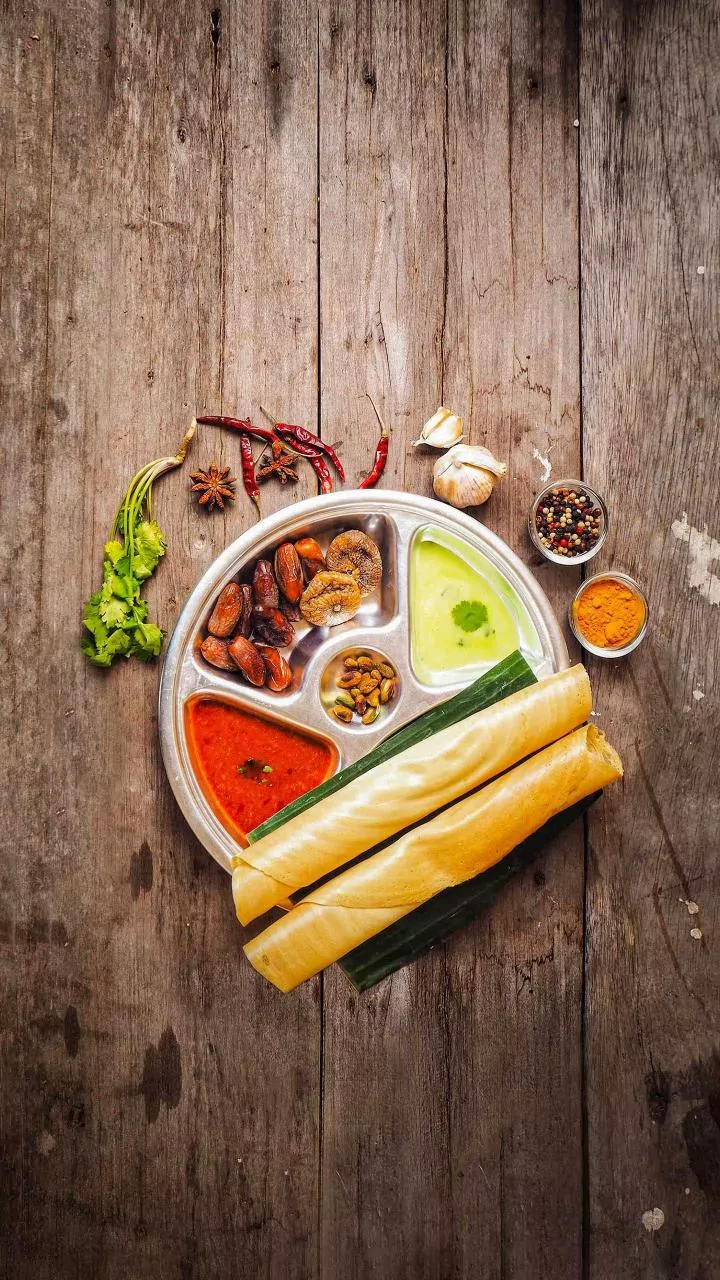
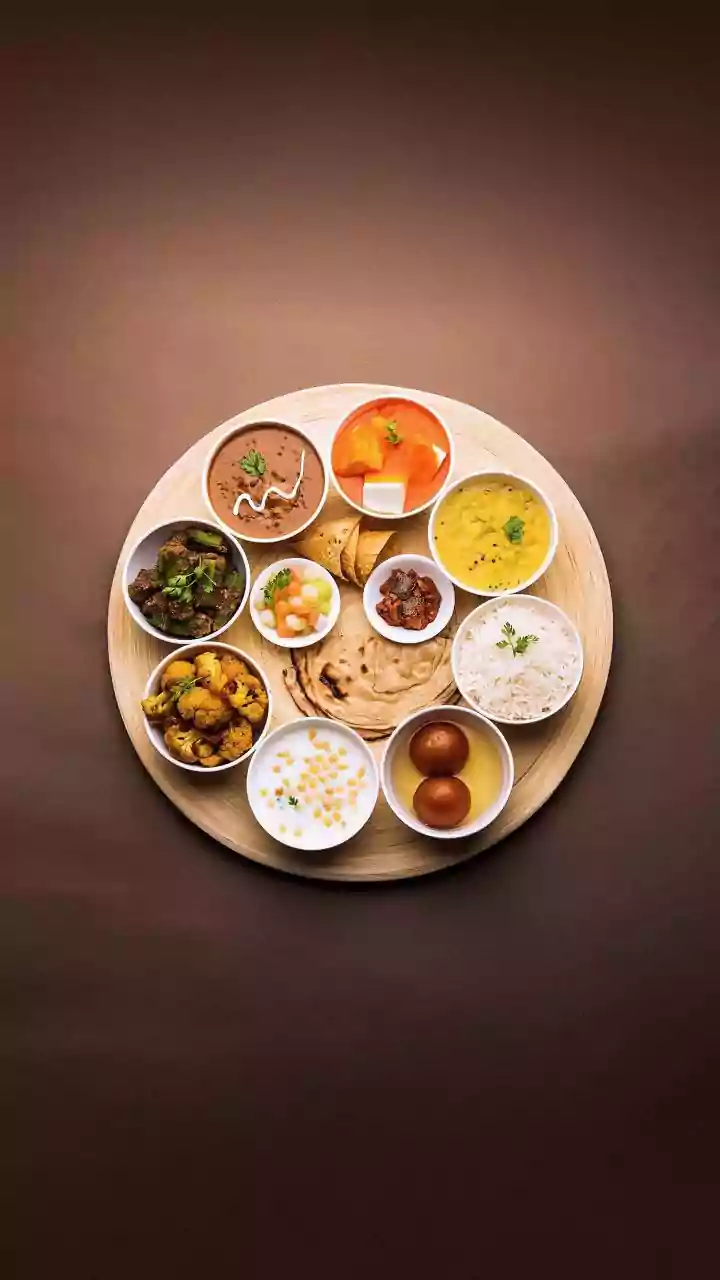
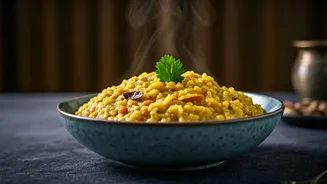
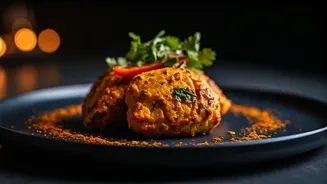
The most exciting culinary journey for many Indians is the one they can take within their own country. The trend towards regional Indian cuisine is perhaps the biggest story in food today. Diners are moving beyond the monolithic idea of “Indian food” to explore the incredible diversity of the nation's kitchens. It’s no longer just “South Indian” food; it's specific, nuanced, and deeply rooted in place. Restaurants are building their entire identity around hyper-regional specialities like Chettinad, Malvani, or Garhwali cuisines. This revival is driven by a mix of nostalgia for home-style meals and a newfound pride in culinary heritage. Chefs are travelling to remote villages to learn forgotten techniques, bringing dishes like smoky Naga pork, Himachali siddu, and Odia pitha to urban tables.
The New Temples of Taste: Food Halls and Pop-Ups
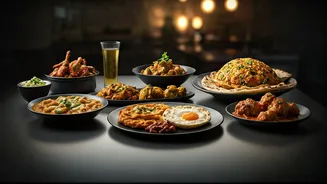
This desire for variety and experience has given rise to new dining formats. Food halls, a popular concept in Europe and America, are now making their mark in India. Spaces like the Dawatpur food court in Delhi's Chandni Chowk, which houses 45 food outlets, allow diners to sample a wide array of offerings under one roof, from street food to fine dining. At the same time, the pop-up scene is creating unique, temporary culinary events that blend food with art and storytelling. These events, often organised by home chefs or culinary artists, offer everything from immersive five-course meals to explorations of specific regional foods, like the cuisine of the Western Ghats in Karnataka. They provide a platform for experimentation and allow food lovers to discover new tastes in an exciting, social setting.
How to Stamp Your Own Culinary Passport
So, how do you become a culinary explorer in your own city? Start by being curious. Follow local food bloggers and Instagram accounts that focus on authentic food discoveries. Look for restaurants with focused, specific menus rather than those trying to do everything. Don't be afraid to try the unfamiliar dish with the name you can't pronounce. Keep an eye out for food festivals and pop-up announcements, which are often advertised on platforms like Urbanaut. Ask questions—chefs and servers at authentic restaurants are often passionate about sharing the stories behind their food. The best part is that this exploration supports local ecosystems, from chefs preserving heritage recipes to farmers growing indigenous ingredients.